
-
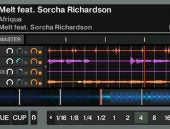
Stems – this music format from Native Instruments is sometimes called ‘the future of DJing’. Especially at launch, three years ago now. Still, our DJ and studio expert Marc van den Hurk gets the feeling the concept hasn’t quite broken through. A shame, he thinks, because it has so many possibilities! But is that really the case? And does it actually have a future? Marc takes you into the world of Stems!
-
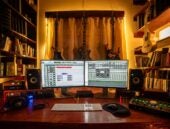
You open a laptop, click a button and start recording a track. That sounds like the most natural thing in the world, but behind that simple action lies fifty years of technological leaps. How did digital recording and MIDI come together in the device now sitting on your desk? This is the story of two developments that began separately and eventually became completely intertwined.
-

You want to learn to DJ, you’ve got a budget, and you’re facing that first real decision: a controller that connects to your laptop, or a standalone system that plays the music by itself. Both options work perfectly well, but they suit different situations and different ways of working. Here are the key differences to help you make your choice.
No responses | in: DJ -

Saxophone or clarinet: both instruments use a reed and belong to the woodwind family, but they sound different, feel different and suit different musical styles. If you’re not sure which way to go, it helps to set out the main differences side by side. That way you can make a choice that suits you.
No responses | in: Musician -

The recorder has 8 holes and can sound like a proper instrument within a few minutes — but there’s more to the jump from “making a sound” to “actually playing music” than you might expect. With the right approach, you’ll make visible progress from day one, without getting stuck in bad habits you’ll have to unlearn later.
No responses | in: Musician -

If you’re looking at a piano keyboard for the first time, the layout might seem random: a few black keys here, a gap there, and the white keys aren’t all evenly spaced in terms of pitch either. Yet there’s a logical explanation behind it — one that dates back to the Middle Ages.
-
On the technological side of the glass, everything is properly sorted. A sizeable mixing console, a couple of vintage valve amps, high-end studio monitors and a solid PC running DAW software. You’re ready to have a performer on the other side of the glass sing or play into that equally expensive microphone. Right?
-

In our article about contracts for musicians, we already touched on it: the technical rider. This is a document that lists all the ‘technical specifications’ of a band. There are many versions in circulation, varying greatly in quality. With a good rider, the on-site engineer knows exactly what to expect. What should a technical rider include? And what’s the difference between a technical rider and a hospitality rider?
Comments Off on Technical rider: what it is and what it should include | in: DJ, Marketing & Business, Musician -

Bax Music has a wide range of microphones in its catalogue. On the microphone product pages in the webshop you’ll find a list of specifications, which we’re going to take a closer look at. To understand what these specs actually mean, we need to start with the basics.
-

This blog is dedicated to Stevie Ray Vaughan (3 October, 1954 – 27 August 1990), one of the most beloved blues guitarists of the late 20th century. With his band Double Trouble, he laid the foundations for the blues revival of the ’80s. More than 20 years after his tragic death, his influence is still clearly felt.
-

In this blog, we’ll be taking a look at the playing style and the gear of Jimi Hendrix. Over the years, his brilliant playing has inspired countless guitarists, and it still does to this day. His influence can be heard across the widest range of musical styles. Because of his early death, his own discography remained limited to just three studio albums: Axis: Bold as Love, Are You Experienced and Electric Ladyland. After his death, a stream of official and unofficial albums was released, of highly variable quality. What is it about a guitarist who died too young, with only three albums to his name, that still inspires guitarists and music lovers?
-
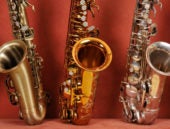
In our articles about musical instruments, the saxophone simply can’t be left out. It’s remarkable to see how this relatively young instrument – invented in 1840 – continues to hold its own in pop music and jazz. The saxophone is a popular instrument and features on countless classic tracks. We’ll cover the history of this ingenious wind instrument, along with the different types of sax, playing styles and techniques.
No responses | in: Musician
About Bax Music
Bax Music is your go-to online music store in the UK with more than 48,000 bits of gear and accessories in stock. More than 1,000 brands and a 26,000m2 warehouse packed with musical instruments, DJ and studio gear, headphones, speakers and lighting. Ordered before 10 PM? Receive delivery in 2 - 4 business days.
Subjects
Sign up for the Bax Music Blog Update!
Just fill in your email address and we'll drop a fresh instalment of blogs in your mailbox every month so you never have to miss out again.