
DJ
-
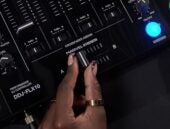
For many beginners, the FLX series from Pioneer DJ and AlphaTheta is their first proper DJ set-up, but the step from the FLX4 to the FLX10 is bigger than the numbers suggest. The differences lie in channels, jog wheels, connections and software. And sometimes a completely different controller from these brands is the better buy.
No responses | in: DJ -

The DJ booth is the first thing guests see, even before you’ve dropped a single track. A bare canteen table with a tangle of cables underneath probably doesn’t match the vibe you want to give off as a DJ. With a facade, a white Lycra cover and a few lights, you can turn that table into a stage piece, without spending much money or time.
-

The transition between two tracks is the heart of DJing, yet it’s exactly where beginners go wrong most often. Not because the technique is complicated, but because they try to do everything at once. With these five basic transitions and one EQ rule, you’ll go a long way, from the club to the wedding reception.
No responses | in: DJ -

A DJ with headphones half on, one earcup pressed against the ear: the classic image of the trade. Odd, really, because that DJ is standing in front of a sound system that the neighbours three streets away can enjoy too. Yet those headphones aren’t a pose: they’re the only place where the DJ hears the next track before the crowd does.
-
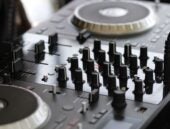
Two or four channels: that’s the question I spent the longest mulling over when I bought my first proper DJ setup. I went for four, because more seemed better. After a year of playing, I’d barely touched channels 3 and 4. For most DJs, two channels are plenty, and upgrading only pays off if you’re regularly running more than two sources at once.
No responses | in: DJ -
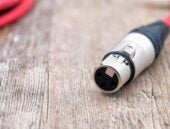
Balanced outputs on a DJ controller, such as XLR or 6.3 mm TRS jack, aren’t there to make your mix sound better. They’re there to keep interference and hum out on the way to the speakers. At home, with a short cable, you’ll barely notice the difference. On stage, you will.
No responses | in: DJ -

A record collection deserves better than a pile in the corner of the living room. Storing LPs properly comes down to four things: keep them upright, away from heat and damp, in decent sleeves and in a cabinet that can take the weight. Get that sorted and you’ll never have to deal with warped records or mouldy sleeves. I learnt that the hard way myself.
-
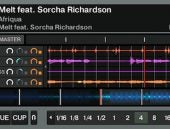
Stems – this music format from Native Instruments is sometimes called ‘the future of DJing’. Especially at launch, three years ago now. Still, our DJ and studio expert Marc van den Hurk gets the feeling the concept hasn’t quite broken through. A shame, he thinks, because it has so many possibilities! But is that really the case? And does it actually have a future? Marc takes you into the world of Stems!
-

You want to learn to DJ, you’ve got a budget, and you’re facing that first real decision: a controller that connects to your laptop, or a standalone system that plays the music by itself. Both options work perfectly well, but they suit different situations and different ways of working. Here are the key differences to help you make your choice.
No responses | in: DJ -

In our article about contracts for musicians, we already touched on it: the technical rider. This is a document that lists all the ‘technical specifications’ of a band. There are many versions in circulation, varying greatly in quality. With a good rider, the on-site engineer knows exactly what to expect. What should a technical rider include? And what’s the difference between a technical rider and a hospitality rider?
Comments Off on Technical rider: what it is and what it should include | in: DJ, Marketing & Business, Musician -

Ask someone to do an impression of a DJ and you’ll probably see them make a scratching motion. But what actually is scratching? And when does a DJ use it? In this blog, I’ll explain how scratching originated, what the basic technique is, and what you need.
No responses | in: DJ -

The previous blog by guest blogger Menno from Supa-Dupa Rental was about whether you should work with vinyl or digital as a ‘real’ DJ. But when are you actually a good DJ? You can ask ten DJs and get fifteen answers. In this blog, Menno shares his view on what makes a good DJ!