
Microphones
-

Large diaphragm or small diaphragm: it’s the first choice you face when you’re looking for a condenser microphone. The chunky ‘side-address mic’ and the ‘slim pencil’ work in the same way, but the size of the diaphragm determines what they’re good at. The large diaphragm captures quiet sources better and sounds a little fuller in the low end; the small one is better for sound arriving from the side and for stereo. That said, the difference is smaller than you might think.
-

Mic in hand and off you go. How hard can it be? Yet you can instantly hear the difference between a singer who understands their microphone and one who’s just holding it. Good microphone technique on stage comes down to two things: where you point the microphone and how close you are to it. Master those two and you’ll sound fuller, and feedback will get less of a look-in.
-

Bax Music has a wide range of microphones in its catalogue. On the microphone product pages in the webshop you’ll find a list of specifications, which we’re going to take a closer look at. To understand what these specs actually mean, we need to start with the basics.
-
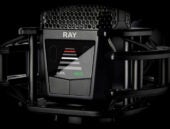
Do you ever do studio recordings? Then you’ll know: once tracking is done, the real work begins. Painstaking work, to be precise. At Lewitt, they’ve found a way to make that heavy lifting a whole lot lighter. And no, not with a plugin. Discover the magic of the Lewitt RAY.
-

There are several questions about wireless microphone systems that we get all the time, and we don’t blame you — those different frequency bands can drive you crazy. Thankfully, Bax Music’s own microphone expert, Stefan, is here to lay out the simple facts of the matter.
Comments Off on Questions About Wireless Microphone Systems We Get All The Time | in: Live Sound, Microphones -

Want to get into pro-level recording? Then don’t get too hung up on picking out the right microphone, but pay attention to every step in the process.
Comments Off on Recording Pro-Grade Audio? Map Out The Signal Chain! | in: Microphones, Studio & Recording -

The venerable experts of Bax Music could offer up a thousand-and-one fascinating facts about the microphone, but since no one has time for that, we’ve hand-picked just five!
-
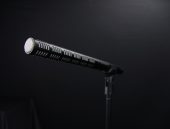
One of the most common mistakes that creators make when producing videos is not paying proper attention to the audio. No matter how expensive your camera and film lights are, if the sound isn’t up to par, your viewers will probably feel like your videos are missing something. Want to know how to record dialogue more professionally? Then read on!
-

We totally understand. You’re a fitness instructor, not a sound engineer, but because you’re often teaching a large group of people, it’s worth knowing how to amplify both the music and your voice, otherwise you’ll find yourself yelling just so the people at the back of the room can hear you and your class is forced to grunt through their crunches and lunges in stony silence. Since you need to keep both hands free, a wireless microphone headset is the ideal solution, but which model is best? What kind of speaker or system should you back it up with? And where do you start if you want to branch out and make YouTube videos and livestreams? In this blog we cover everything to help you make the right, tailor-made choice.
Comments Off on The Right Audio System & Microphone for Fitness Instructors | in: Live Sound, Microphones -

Recording a solo singer-songwriter? How hard can it be? All you need to do is set up one or two microphones and hit record, right? Unfortunately, it’s not actually that simple. If you’re only using one microphone, you have next-to-no control over the balance. And, even though using two microphones is the smarter option, how do you deal with any phase issues? Of course, your singer-songwriter could be playing any instrument, but in this blog we’ll focus on recording vocals and an acoustic guitar at the same time.
-

Mic bleed is the bane of many-a recording engineer’s existence and can easily throw a spanner in the works for mixing engineers and producers. After all, hearing the hi-hats on a snare take or having guitars inadvertently mixed in with the vocals are issues that require a lot of time to fix. Want to know how to avoid, remove or even use mic bleed to your advantage? Then read on!
-

When using any wireless system, whether it’s for wireless microphones, a wireless in-ear monitoring system or a cable-free instrument system, then you’ll have to work with radio frequencies. These are inherent to the way these wireless systems work, since wireless systems convert audio into code before sending it through the air in the form of a digital packet, so it can be picked up by a receiver where the information is decoded and converted back into audio.