
Bassist
-

Unfortunately, there comes a time when everything breaks, and the same is definitely true of music gear, whether it’s speakers, valve amplifiers, or your electric guitar or bass. In the worst case, you’ll need to get it fixed by a professional, but there are some smaller, more simple repairs that you can actually carry out yourself. With a voltmeter, a soldering iron and a little solder on your side, you can get more done than you might think.
-

Whether caused by a bad habit or a passionate performance, the injuries related to being a musician can range from a gradually niggling and continuous beep in one ear, to chronic and unbearable wrist pain. If you want to play comfortably for the rest of your life, then it’s more than worth learning to listen to your body, practise some good-old self care, and avoid long-term injury, hearing damage, and dreaded RSI!
-
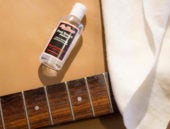
The fretboard, or fingerboard, of a stringed-instrument is the surface that the strings are held against to change the pitch and produce different notes and chords, whether you’re playing an electric or acoustic guitar or bass, ukulele, or similar stringed-instrument. Why should you keep your fingerboard clean? How exactly do you clean a fretboard? And what happens if you don’t clean your fretboard? Our Guestblogger, Karylynn explains it all in this handy article and reveals that anyone can clean the fretboard of their instrument, no matter their level of experience, and that the hardest part is removing and replacing the strings.
-

The fretless bass is actually pretty rare in the bass world, since most bassists simply prefer fretted models. Listen to the bass of any current hits and you’re likely to be listening to a fretted bass. But there’s no doubt that the fretless bass packs unique character and there are plenty of devotees out there that refuse to play anything else. So, what’s the deal with the fretless bass – what are the good bits? And what are the not-so-good bits?
-
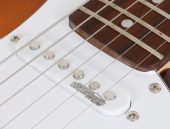
Whether it’s a single-coil or a humbucker, practically all electric guitar pickups and bass pickups are equipped with a magnet that captures the vibrations of the strings. While magnets don’t boast any sonic properties of their own, the specific type of magnet inside any guitar or bass pickup certainly helps to shape the overall sound of the instrument. Since most pickups feature either an alnico or a ceramic magnet, I’m going to highlight the differences between both and tell you how the well-known Alnico V models compare to Alnico II variants.
-

Whether you’re getting a shop-fresh model or a more played-in hand-me-down, no bass guitar ever comes perfectly set up specifically for you. We’ve all got a unique style and preferences to match, and there’s nothing wrong with that. In this blog, guest-blogger and bassist Cor Vos presents a basic guide to setting up a bass guitar. It’s completely beginner-friendly too, meaning we’re not covering more in-depth tweaks like pickup swaps and nut-filing. Depending on your bass, all you’re going to need is a good ol’ hex-key and a phillips head screwdriver. Let’s get started!
-

If you want your acoustic or electric guitar or bass to sound and feel as good as it possibly can, you can’t overlook the importance of proper maintenance. In this article, guest-blogger Dean explains how to nourish your instrument, how to keep the humidity in check and why the right room temperature is crucial.
Comments Off on Guitar Maintenance: Wood Conditioning, Temperature and Humidity | in: Bassist, Guest Blogs, Guitarist, Musician -

You’ll come across the ‘fretboard radius’ listed in the specifications and mentioned in the description of any guitar or bass included on the Bax Music website, but what is this mysterious measurement and why is it important? In this blog, we offer the humble novice a crash course in the concept of the fretboard radius and hopefully make picking out the right guitar or bass just a little bit easier.
-
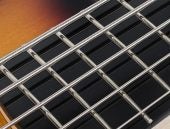
While most bassists play a 4-string solid body bass like a ‘P’ or ‘J’-style bass, you can get basses that push it further with 6,7, or even more strings. This might seem like overkill, but in any case, there will come a time in the life of a 4-string bassist when they ask themselves: “Do I need more? Is my 4-string the bass of my dreams or am I secretly yearning for a 5-string?”
-

The difference in price between one electric guitar and another can be insane. While one will set you back a couple of hundred quid, another one costs a few thousand. Sometimes this comes down to the brand, but even then there must be something that makes one guitar worth more than another, and for the complete beginner, this can be pretty unclear. In this blog, we explain why there can be such a big price difference between different electric guitars and basses, so that you can get a clearer picture of exactly what you’re paying for.
-
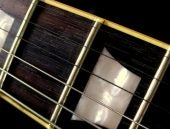
If you’ve read our guitar and bass guitar buyer’s guides, you might be wondering how important the wood used for the fretboard is. Since it actually helps shape the sound, look and feel of almost every guitar and bass, maybe the question should be: which type best suits you? Dip into this blog and you’ll learn the most important differences, making picking out your new guitar that bit easier!
-
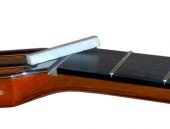
In this blog, Guestblogger Marc offers a step-by-step explanation of how you can change the nut of your guitar. Whether it’s an electric mode, an acoustic, or classical guitar, or a bass, Marc fills you in on what tools you’ll need and why you would bother changing the nut at all. The conclusion seem to be that it rewards you with an instrument that plays better than it ever did. Read on to find out how and why.