
Miscellaneous
-
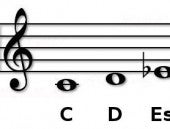
Introducing the C-minor scale, this blog follows up on the ‘Learning to Read Music: The C-Major Scale’ blog and aims to teach you how to play the scale in different keys (D, E, F, G and A). Again, it doesn’t matter if you play piano, recorder, guitar or violin – any instrument can be used here.
-

You might know the deal. You’re at a wedding reception and an A4 sheet of paper is unceremoniously thrust into your hand. Ahhhhh … Auntie Pauline has taken it upon herself to re-write the words to ‘Your Song’ and you can only stand as witness as she very sweetly and very brutally murders one of the best love songs of all time. But, what if you wanted to offer the happy couple something even more unique? Something even more personal? Here, Guestblogger and singer-songwriter Kevin shares his tips for crafting a tailor-made wedding song.
-

Making a mixtape that’s good enough to enter into a contest can be a daunting task, but what you get in return is usually more than worth the hassle: valuable experience, exposure, new contacts, and so on … But how do you make a mixtape that distinguishes you, and only you, from the immense sea of other Djs out there? Guestblogger, Amar Amlani (Dice DJ) reveals everything he’s learnt about the subtle art of making contest-worthy mixtapes.
-

Gaffer tape or duct tape? Line up a few rolls of each and you won’t be able to tell the difference but as soon as you get them in your hands, you’ll immediately know which is which. This isn’t much of a surprise since they are in fact completely different things. So, while duct tape is known for being able to fix any of the world’s problems, why is it that lighting and sound technicians turn to gaffer tape instead? We explain all in this little slip of a blog!
-

If, as a musician, you find yourself staring at sheet music like an illiterate puppy staring at an episode of Countdown, then you’re not alone! It can be endlessly frustrating if you’re more than able to play your instrument, but learning to play a new piece costs you weeks if not months of your precious life. Maybe you give up halfway through, maybe you just keep plodding on; in any case, you probably wish you were just better at reading music. Or maybe you’re good at it, but just want to speed the process up. All of this is possible!
Comments Off on Better, Faster, Stronger: Learn to Read Music at Speed | in: Miscellaneous, Music Theory, Musician -
You’re likely to have seen a musician perform, or at least heard of one who performs with feeling as they play or sing. This particular musical feeling or expression is not only created using tempo, rhythm, and a melody, but conveying expression in a piece also has a lot to do with dynamics. This blog has been written for beginners who want to understand what dynamics mean when it comes to music, how this is notated by symbols and terms in a manuscript, and how to interpret these signs and symbols.
Comments Off on Dynamic Notation in Sheet Music Explained! | in: Miscellaneous, Music Theory, Musician -
It’d be a shame if you avoided sharp (♯) and flat (♭) notes simply because you don’t know their exact meaning. However, this is important information to know if you want to play a wide variety of music using sheet music, chord progressions or another kind of music notation. As such, in this blog, I’m going to teach you the difference between sharp notes and flat notes, and how you should use them.
Comments Off on Music Notation: Sharps, Flats and Naturals | in: Miscellaneous, Music Theory, Musician -

“That’s major!” some might exclaim when hearing that one of their mates has had a day of it. But in terms of music, Major can refer to something that feels a lot more cheerful, while minor tends to have a more sad vibe. But is this always the case? And how does this difference actually happen? In this blog, I’m going to be saying a lot about how ‘Major’ and ‘Minor’ actually works in music so that you can not only hear the difference, but actually understand it and why it happens at all.
Comments Off on Major & Minor: Hearing and Understanding the Difference | in: Miscellaneous, Music Theory, Musician -

And so we come to the third edition of our blogs about reading music. In the last two, we covered the C-Major scale and the Minor scale, which hopefully gave you a better idea of how to read notes on a stave. We also showed you how to find all of these notes on a piano, keyboard, and guitar. If you’re a drummer, you can find some helpful tips for reading drum notation in our blog, Drum Notation 101. In this blog though, we’re going to cover the mystery surrounding rhythm, tempo, and measure. Of course, if you understand all of this already and want to dive a little deeper, then feel free to check out our written-for-purpose music books.
-

In this blog, you can learn how chords are built and how to read particular chord symbols and notation. Understanding this will only help you progress whether you’re playing a guitar, keyboard, piano, or in fact, most other musical instruments, or if you simply want to know what lies behind the magic of chords and how they actually work. You’ll also find a useful list of other blogs about chords and music theory, along with our collection of music books.
-

Guest-blogger and songwriter Jemy wrote his first song back in 2011 and is itching to pass on some tips to help anyone who wants to start writing while keeping things fun and worthwhile. Besides sharing some personal experiences, Jemy offers some nuggets of wisdom from renowned songwriters. Since every man and his dog seems to be writing, it’s not really worth chasing your dream on a horse-drawn chariot while everyone else is racing in a Tesla. In short: good prep is everything.
-

Guest blogger Teo Lazarov from Chordify looked at the most-played songs on their music education platform since 2013. Let the cherry picking from the all-time play-along favorites begin!
Comments Off on Top 10 most played along songs | in: Guest Blogs, Guitarist, Miscellaneous, Musician