
Choosing a trumpet mouthpiece: what the 7C code does and doesn’t tell you
Published on Monday 12 October 2026
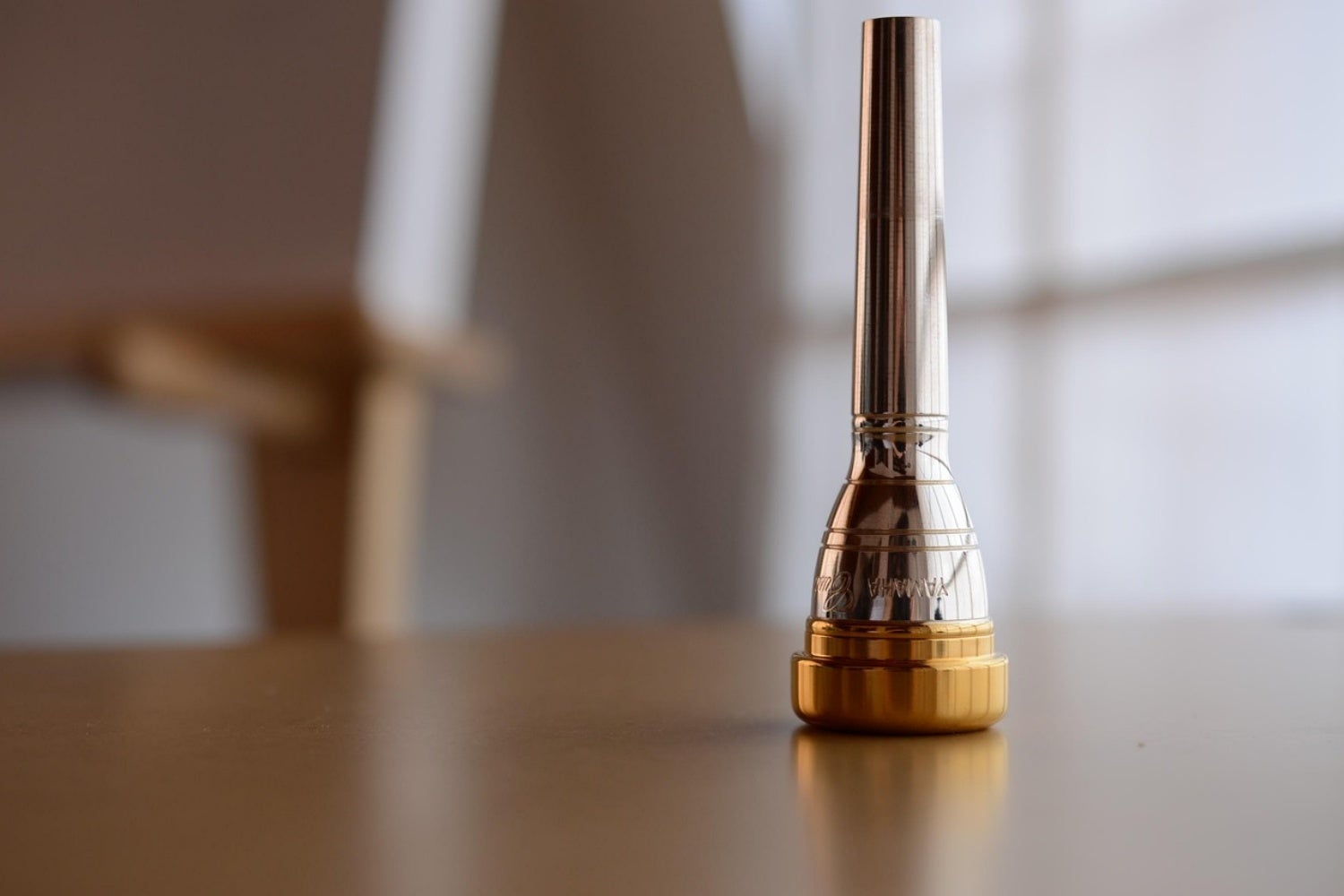
A trumpet mouthpiece carries a code such as 7C, 5C or 1½C. These ‘Bach codes’ aren’t a ranking from beginner to master. They’re a sizing system that tells you how wide and how deep the cup is, and therefore how the mouthpiece sounds and plays. In this article, we’ll help you decipher the code.
Number and letter: how to read a Bach code
A mouthpiece consists of four parts: the rim, the cup, the throat and the backbore. The rim is the ring your lips rest on. The cup is the little bowl behind it, the throat is the narrowest passage and the backbore is the section that widens out again towards the trumpet.
The letter in the Bach code stands for a fixed combination of a certain cup depth and a specific backbore (e.g. C = medium cup with a #10 backbore).
The number indicates the diameter of the cup, and it works differently from what you might expect: a lower number actually means a wider cup. The range runs from 1 to 11.25, roughly from 17.5 millimetres to 15.65 millimetres. So a 1½C is clearly wider than a 7C, even though it seems the other way round. My own case came with a 7C back in the day, and for years I had no idea what that 7 actually meant.
As mentioned, the letter indicates the depth of the cup, among other things. A is very deep and produces a big, dark sound. B is medium-deep and full. C is medium, the middle ground. E is shallow. So a 7C is a cup on the narrower side with average depth. A 1½C is wide with that same average depth. Two very different mouthpieces with the same letter.
» View all trumpet mouthpieces

What you hear: deep sounds warm, shallow sounds bright
The depth of the cup largely determines the tone colour. A deeper cup gives a rounder, warmer sound that you’d quickly call classical. A shallower cup sounds brighter and sharper. Play the same passage one after the other on an A, a C and an E, and even an untrained ear will hear the difference.
Diameter works in a different way. A wide cup, so a low number, goes with the full sound of an orchestra or concert band. A narrower cup, with a higher number, is more often found in lead and big band playing: more flexibility and an easier upper register, but at the expense of tone. So a wide mouthpiece isn’t better than a narrow one.

When to move on from the 7C
The 7C usually comes as standard in the case with the trumpet and is the best-selling mouthpiece for beginners. As a result, it’s too often seen as a beginner’s thing, something you grow out of. That’s not entirely true.
So you don’t switch because you’ve had a certain number of years of lessons, or because someone shouts during the break that a 7C is rubbish. You switch when you have a reason you can put into words yourself. You want a different sound, or you’re playing in a different context. Someone moving from a concert band to a big band is looking for something different from someone going the other way.
Don’t test a new mouthpiece in a single evening, either. After five minutes everything feels new and therefore different, and different quickly seems better. Take a few weeks, play the same piece each time, and record yourself if you can. If you want a small step, a 5C sits between the 7C and the 3C. Jumping straight to a 1½C is a big leap in diameter, and you’ll notice it almost immediately.
The wrong mouthpiece and your endurance
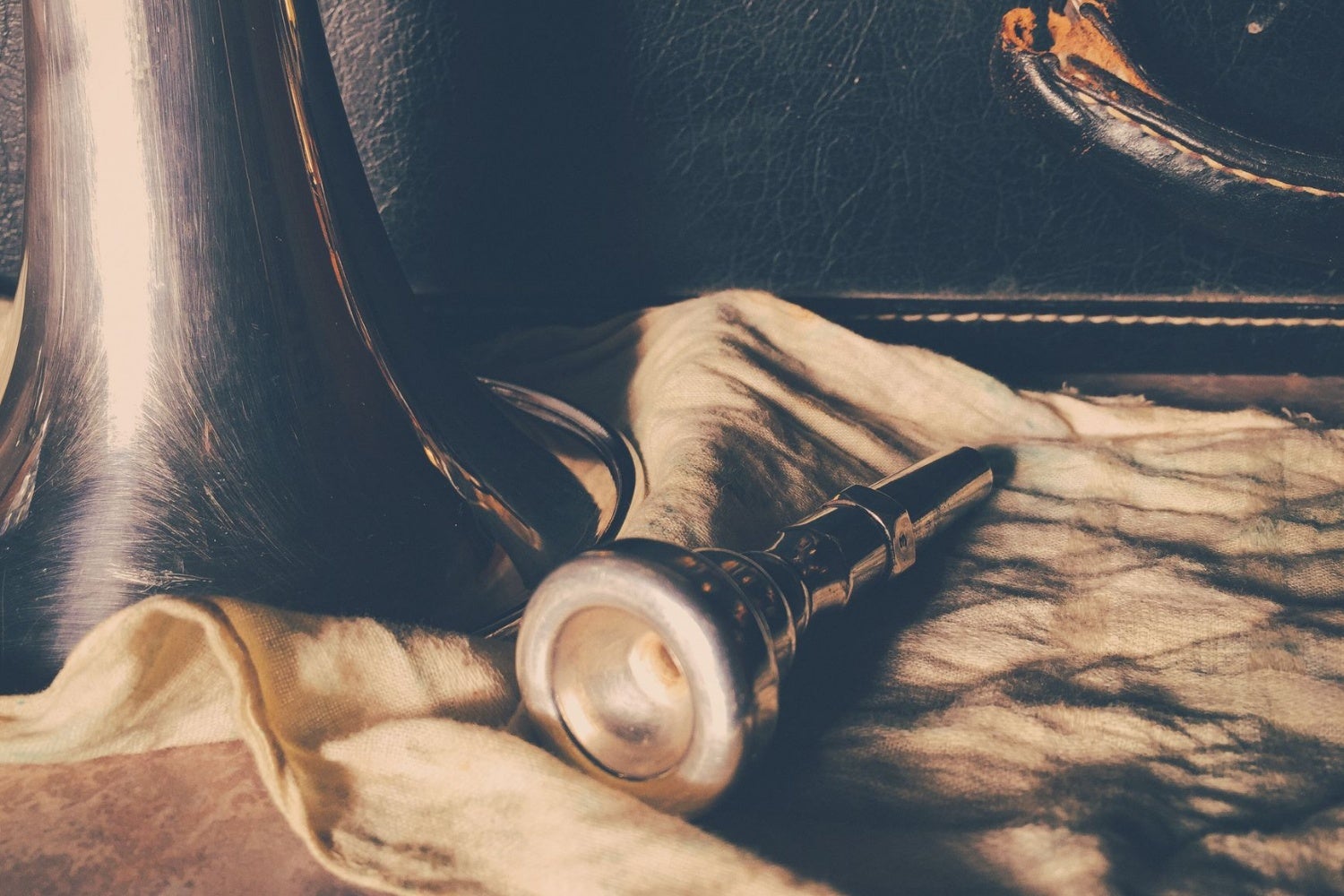
Your lips rest on the rim and vibrate in the open space of the cup behind it, and all the pressure from the trumpet ends up on that small ring. If the rim or the cup doesn’t suit your mouth and embouchure, you’ll automatically compensate: more pressure, more tension in the lips, more air than necessary. That works for a while. Then it doesn’t.
It’s like a bike saddle that’s set just slightly wrong. You won’t notice a thing for the first mile, but after an hour you’ll feel everything. It works the same way here: fatigue after a quarter of an hour of playing is often a sign. It isn’t always down to the mouthpiece, as technique and stamina play just as big a part. But if you suddenly make it through the whole rehearsal with a different mouthpiece, you have your answer.
The number and letter tell you how the cup is shaped, and that’s useful. Whether it suits your own lips is something they can’t tell you. You’ll only find that out in the third week, in the last ten bars of the final piece.
 Want to turn LPs into MP3s? Here’s How to Digitise Your Vinyl
 How to Breathe: For Vocalists & Musicians
 Playing Keys in a Band: What You Need to Know
 How to Tune Up & Play a Guitarlele
 Everything You Need to Know About Making a Podcast
 Setting Up the Band with a PA System? Here’s What You Need to Know
No comments yet...