
Musician
-
If you’ve played on stages before, you’re probably well aware of the sonic nuisance that is feedback. In this blog, we explain how you can counter feedback and keep the ears of your audience members from bleeding.
-

Guitarists will already be aware of the unmistakable effect the humble valve can have on their sound. While there are at least 25 different kinds of valves found inside various different guitar amplifiers, there are four that you’re most likely to come across. Here, we cover each of them so you can get to know exactly what’s shaping your tone.
-

Accompanying a vocalist on the guitar is a skill that is sometimes overlooked by guitarists, especially when the attention is usually on playing the fastest shred licks possible or how many effects pedals one can fit on their pedalboard. One skill that’s very important as a performing guitarist, and is something that will lead to many more gigs, is the ability to make a vocalist feel comfortable and supported, especially in the context of an acoustic duo which will be much more stripped back than a full band setting, and be more exposing for all parties. In this article, guest blogger and professional guitarist Cameron Hayes tells you all about how to achieve the skill of accompanying a vocalist.
-

A long time ago, on a day that started just like any other, I was flipping through TV channels seeking some passable entertainment when I stumbled on footage of Woodstock ‘99. Metallica had just taken to the stage, and while my young mind had yet to be introduced to the world of heavy metal, I was immediately mesmerised by the energy and wall of sound this band was able to build. By the end of Kirk Hammett’s minute-long guitar intro to King Nothing, I was sold.
-
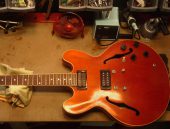
In this blog, guest-blogger Marc offers a step-by-step guide to swapping out the passive pickups of an electric guitar. Here, you’ll find out what tools you’ll need, why you would want to change the pickups in the first place, and discover that the whole process is actually much easier than you might think. In fact, anyone with the right tools and a little patience will be able to do this. So why not replace those knackered old pickups or treat your guitar to a sweet upgrade?
Comments Off on How To Replace Passive Electric Guitar Pickups | in: Guest Blogs, Guitarist, Musician -
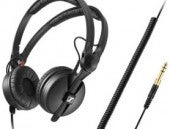
We wouldn’t be surprised if it’s one of the most frequently googled questions: “What are the differences between the various Sennheiser HD 25 headphones?” Sennheiser cleaned up the series a while ago, so it’s about time we put together a clear overview of the differences and similarities between the older and newer versions of this iconic range of headphones.
-

Most people never even think about vocal microphone hygiene, which is okay as long as you’re the only one using the mike. If not, it’s important that you clean your vocal microphone after use to prevent one singer from passing their germs on to the next. In this humble blog, I’ll explain how you can easily clean a microphone yourself.
Comments Off on How to Clean a Microphone | in: Live Sound, Microphones, Musician, Singer, Studio & Recording -

This blog covers the widely used blues scale. Even if you wouldn’t call yourself a blues musician, this magic scale is something that every musician should know, since it not only helps build the fundamentals of blues, but pretty much everything that followed it – including pop, rock, and everything in between.
-

You’ll come across the ‘fretboard radius’ listed in the specifications and mentioned in the description of any guitar or bass included on the Bax Music website, but what is this mysterious measurement and why is it important? In this blog, we offer the humble novice a crash course in the concept of the fretboard radius and hopefully make picking out the right guitar or bass just a little bit easier.
-

It’s time to delete Angry Birds and those diet tracker apps you never use and install what you really need: five essential apps that can ease your life as a drummer and help you prepare for any situation that involves drums.
-

Great, so you know how to tune your ukulele and maybe you’ve even learnt a handful of basic chords already – now it’s time to learn your first strumming patterns! In this blog, we’ll be teaching you how to play various rhythms by starting out with something simple and increasing the complexity as we go. Good luck and have fun!
Comments Off on Ukulele Rhythms: Learn Them Here! | in: Musician -

The guitarlele is a great 6-string instrument for anyone who feels like a ukulele is too small and a guitar is too big. As you’d expect from the name, the size of a guitarlele sits somewhere between a guitar and a ukulele, and if you want to learn to play this smaller-than-average, but not-too-small instrument, then you you’re in the right place. Here, we’ll guide you through tuning up your guitarlele, how to strike the strings, and even how to play rhythms and chords. If you have any burning guitarlele-related questions at the end, feel free to leave a comment!
1 response | in: Musician