
-

Mixing is a lot like baking. Just throwing stuff into a bowl and hoping for the best will never give you the best results. In this blog, we seek to explain what a mix bus actually is and how you can best prepare your instrument groups before sending them all through the master bus of your mixer or DAW. In other words: we explain how to bring structure to audio mixing.
Comments Off on Mixing with the Mix Bus | in: Studio & Recording -

While removing cables from the setup gives you freedom to move around the stage, life isn’t made easy for wireless microphone users. With mobile internet and other wireless traffic only getting busier and busier, there’s little room left in the ether for wireless microphones. To solve this issue, Shure has developed an impressive, all-new system: the Shure GLX-D+ Dual Band Series.
Comments Off on Shure GLX-D+ Dual Band: Always a Free Microphone Frequency | in: Live Sound, Microphones -

Since we get so many questions about it, it’s about time we tackle an age-old debate in drum-land with a dedicated blog about bass drum holes. The question is: should your resonant head have one and why (not)? Allow me to explain!
-

The world of percussion is home to a near-infinite range of unique sounds, yet many pop and rock musicians seem to pay it no mind. Maybe it’s because they don’t know their way around percussion gear, or perhaps they simply don’t know how to put any to good use. Either way, since rock and pop music can benefit greatly from percussion in terms of rhythm, melody and even harmony, here’s a list of seven solid percussion instruments along with a quick rundown and examples of well-known tunes they feature in.
-

You already know the feeling: you stay up into the wee hours of the morning working on what feels like the best thing you’ve ever made then get up the next day to find that your carefully crafted mix actually sounds like a complete shambles. Or you’ve put those finishing touches on the final mix and stuck it on the car on the way home, only to be greeted by a sonic horrorshow that sounds dead and lifeless. Here, Guestblogger Melvin Rijlaarsdam lists the most common mistakes you can make during the mixing process so you can avoid them all and get the best results.
-
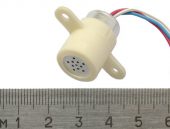
If you’ve been flipping through our range of microphones, you’ve probably come across the terms ‘electret’ and ‘true condenser’. But what’s the difference? And are ‘real’ condenser microphones always better than electret microphones, like the name suggests? In this blog, we’ll explain it all.
-

Though it is often referred to as the guitar’s baby cousin, the ukulele has many differences that make it a singular and special instrument. From its unique history and tone to the way it has penetrated popular culture, guest blogger Matthew Quilliam discusses how the ukulele can so easily stand on its own merits…
-

As soon as you start working with cables, you run the risk of cooking up cable spaghetti. To help you organise your set-up, we’ve listed five cable management tips. Dive in before you tie yourself up in knots.
Comments Off on 5 Tips for Efficient Cable Management | in: Cables, Live Sound, Miscellaneous, Musician -

If you’ve already checked out our Bass Drum Pedal Buyer’s Guide and want to learn even more about kick drum pedals, then this in-depth blog is the next logical step. Once you know exactly what the beater, footboard, spring tension, chain-drive and cam do, adjusting or upgrading your kick pedal will be much easier.
-

Just like vocals, the cello can seamlessly move from sweet-and-elegant to dark-and-raw, and while it’s a staple of classical music, this popular bowed string instrument can just as easily work its magic in styles like pop, rock and even metal. Read on and get to know it a little better!
Comments Off on A Closer Look At The Cello | in: Musician -
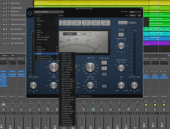
If you’ve just started producing music, then you’ve probably already heard of them: plugins. But what are they, how do you use them and what can you use them for? In this blog, we explain what DAW plugins are what you can do with them.
1 response | in: Studio & Recording -

If you’ve just kitted yourself out with a musical instrument or any other gear marked with ‘P65’ or ‘Proposition 65’, often with the added warning “This product may contain / can expose you to chemicals which are known to the State of California to cause cancer and birth defects or other reproductive harm,” is it this something you actually need to worry about? In short: no. But to find out what the warning actually means and why you don’t need to panic, read on!
2 responses | in: Musician
About Bax Music
Bax Music is your go-to online music store in the UK with more than 48,000 bits of gear and accessories in stock. More than 1,000 brands and a 26,000m2 warehouse packed with musical instruments, DJ and studio gear, headphones, speakers and lighting. Ordered before 10 PM? Receive delivery in 2 - 4 business days.
Subjects
Sign up for the Bax Music Blog Update!
Just fill in your email address and we'll drop a fresh instalment of blogs in your mailbox every month so you never have to miss out again.