
What is a Hi-Z input on a mixer or audio interface?
Published on Thursday 1 October 2026
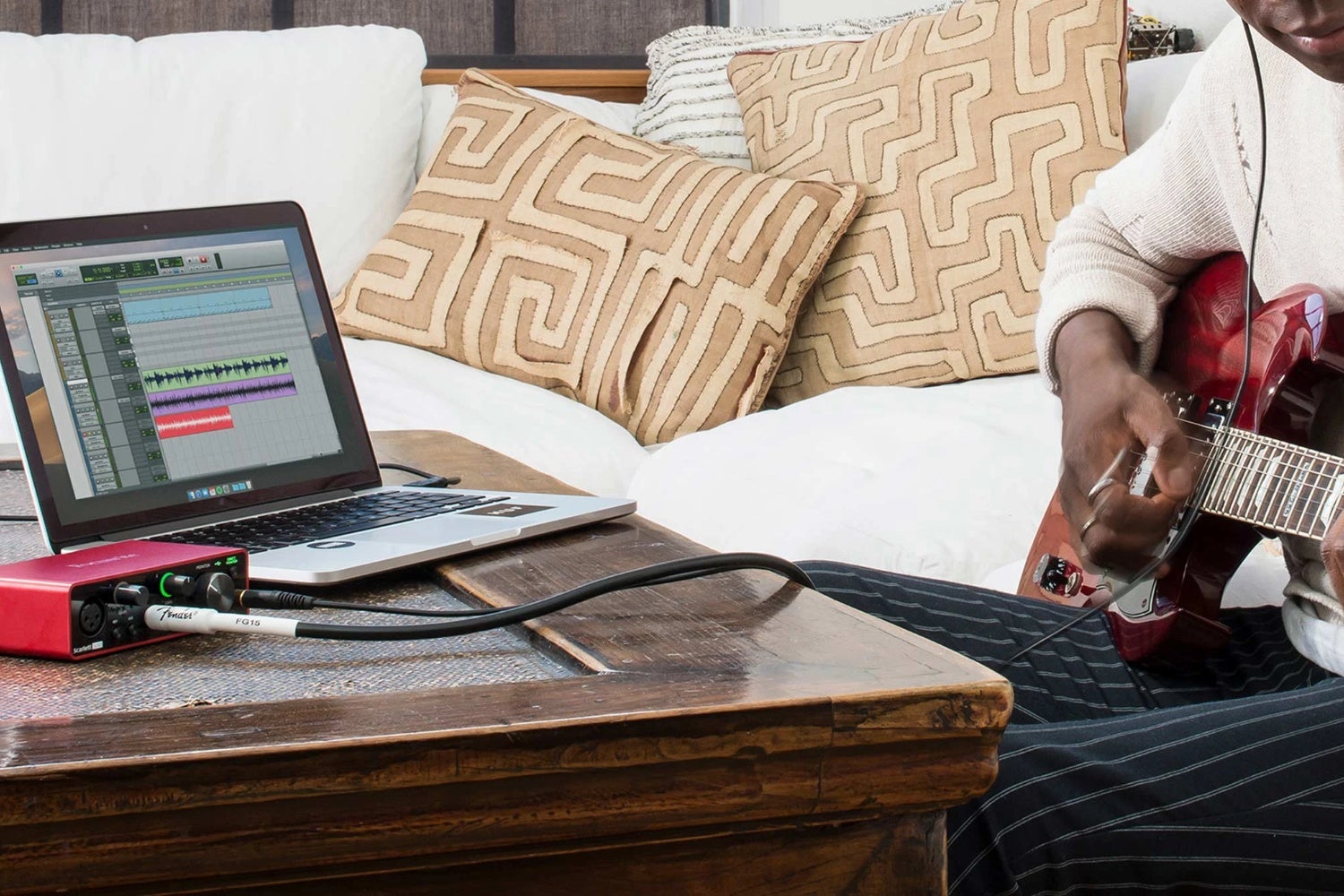
Lots of audio interfaces and mixers have an input labelled Hi-Z, Inst or with a little guitar icon next to it. So what’s it for? In short: a Hi-Z input is designed for the high-impedance signal of an electric guitar or bass, so it comes through clear and bright when you plug straight in. Plug your guitar in anywhere else and you’ll hear the difference straight away.
What does Hi-Z mean?
Hi-Z stands for high impedance. The Z is simply the symbol for impedance, which is measured in ohms. As a beginner, that’s really all the theory you need. The main thing to remember is this: the pickups on an electric guitar or bass produce a high-impedance signal. And those pickups are rather fussy about what you plug them into.
Fussy? Yes. The input you plug your guitar into needs to have a much higher impedance than the guitar itself. A common rule of thumb is at least ten times higher. An electric guitar is happiest with an input of around 1 MΩ, or one million ohms. That’s also what most guitar amps offer. A Hi-Z input is designed precisely to give your guitar that high input impedance.
» View all audio interfaces with instrument input(s)
» View all mixers with instrument input(s)
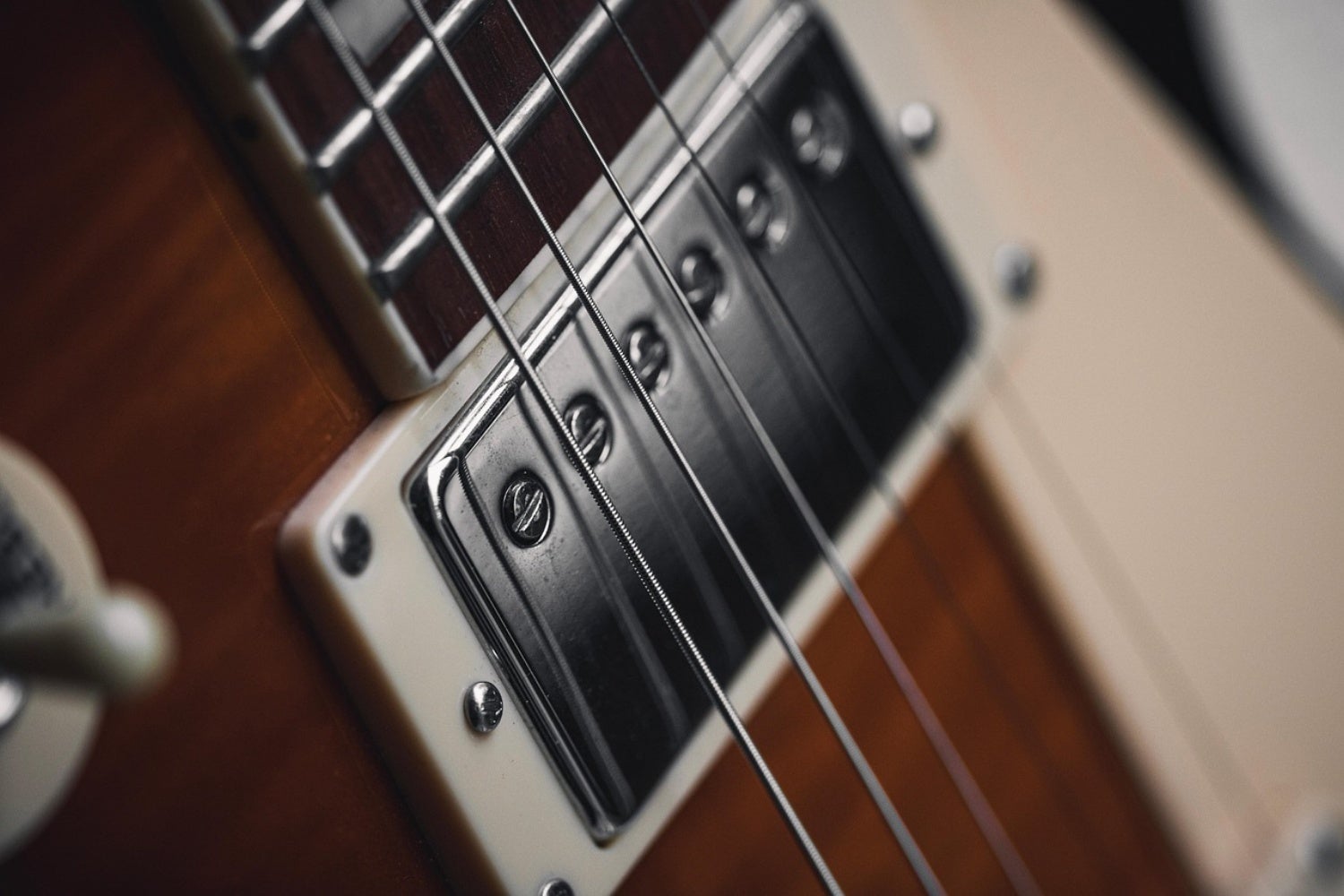
Guitar in a regular input: dull and quiet
Want to hear it for yourself? If your interface has an instrument button, plug in your guitar, strum a few chords and then switch the button off. Or plug the guitar into a regular line input on your mixer. Chances are it’ll suddenly sound quieter and duller. Most of the top end disappears, and what’s left sounds as if the guitar can’t really be bothered.
Why does that happen? Mixer line inputs are often somewhere in the tens of thousands of ohms. That’s fine for a line-level signal, but far too low for a guitar. An input like that puts too heavy a load on the pickups, so they can’t do their job properly. Think of a runner forced to carry a heavy rucksack: they’ll reach the finish line, but slowly and exhausted. Your guitar signal gets there too, just without its sparkle.
Why not just add more gain? That will make the signal louder, but it won’t bring back the lost top end. You’ll end up fixing things with EQ afterwards that went wrong the moment you plugged in. A waste of your time, especially when that input with the little guitar icon is just a few centimetres away.
» How loud should I record audio?
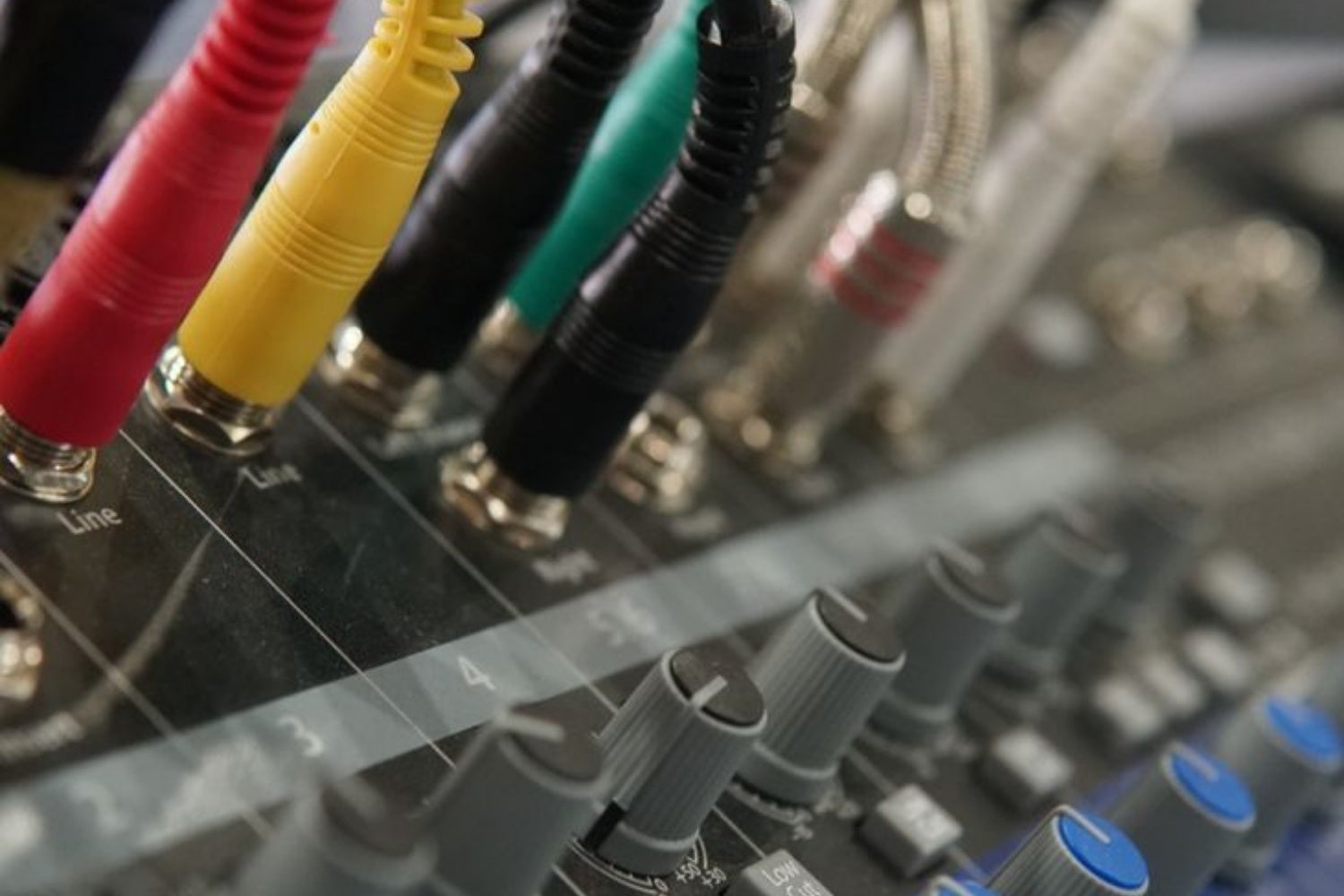
How to recognise and use the Hi-Z input
On many audio interfaces, you’ll find the Hi-Z input on the front. Sometimes it’s a separate jack input, sometimes a combo input with a button or switch next to it. Check the label: Hi-Z, Inst, instrument or a small guitar symbol. The Focusrite Scarlett 2i2, for example, has an instrument switch by the input that changes the input impedance to a setting that suits a guitar.
The rule is simple. If you’re connecting an electric guitar or bass directly to your interface, use the Hi-Z input or switch the instrument button on. Guitar still sounding dull? Check that button is actually pressed in before you start doubting your cable, your strings or your own ears.
» View all guitar interfaces
» Try the Interactive Audio Interface Selection Guide
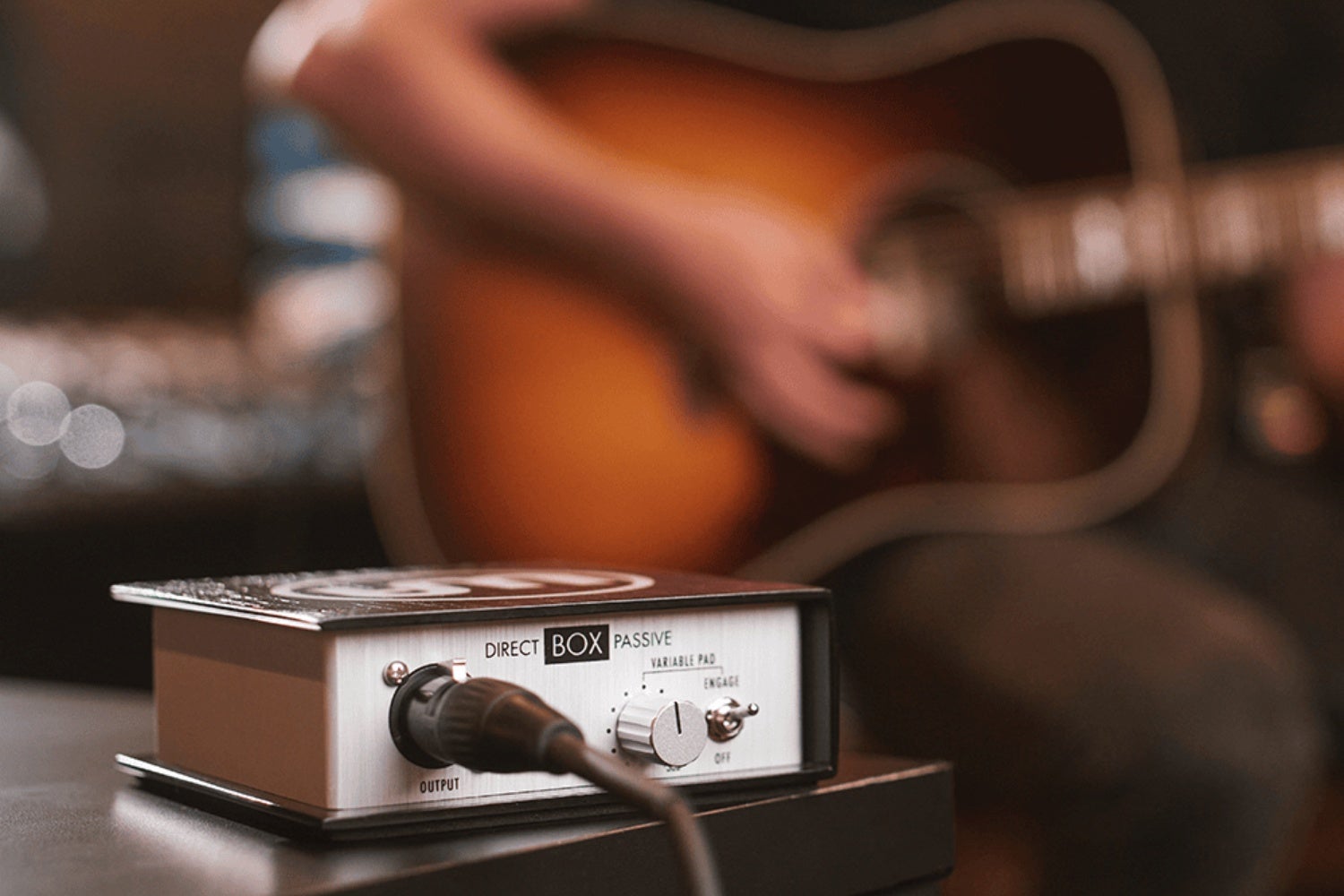
No Hi-Z input? Here’s the solution
If your mixer or interface doesn’t have an instrument input, grab a DI box. It converts the guitar signal into a low-impedance, mic-level signal, so you can connect it to a regular microphone input. A bit like a travel adapter on holiday: your device stays the same, but suddenly it fits.
A DI box also balances the signal. That makes it far less susceptible to picking up noise along the way. That’s handy on stage, where the mixer is often a fair distance from where you’re standing.
So place the DI close to the guitar and run the long cable from the output side. A long, unbalanced guitar cable combines with the high impedance of your pickups to form a filter that eats away at the top end, and it picks up more noise along the way. Keep the run between guitar and DI short.
Playing through a Boss pedal also makes a difference. A pedal like that offers your guitar a much higher input impedance than a mixer’s line input, and in practice your guitar will sound a lot better as a result. On top of that, every Boss pedal has a buffer that lowers the output impedance, so the signal can handle longer cables without the tone suffering.






No comments yet...