
Valve microphone or transistor microphone: can you really hear the difference?
Published on Monday 16 November 2026
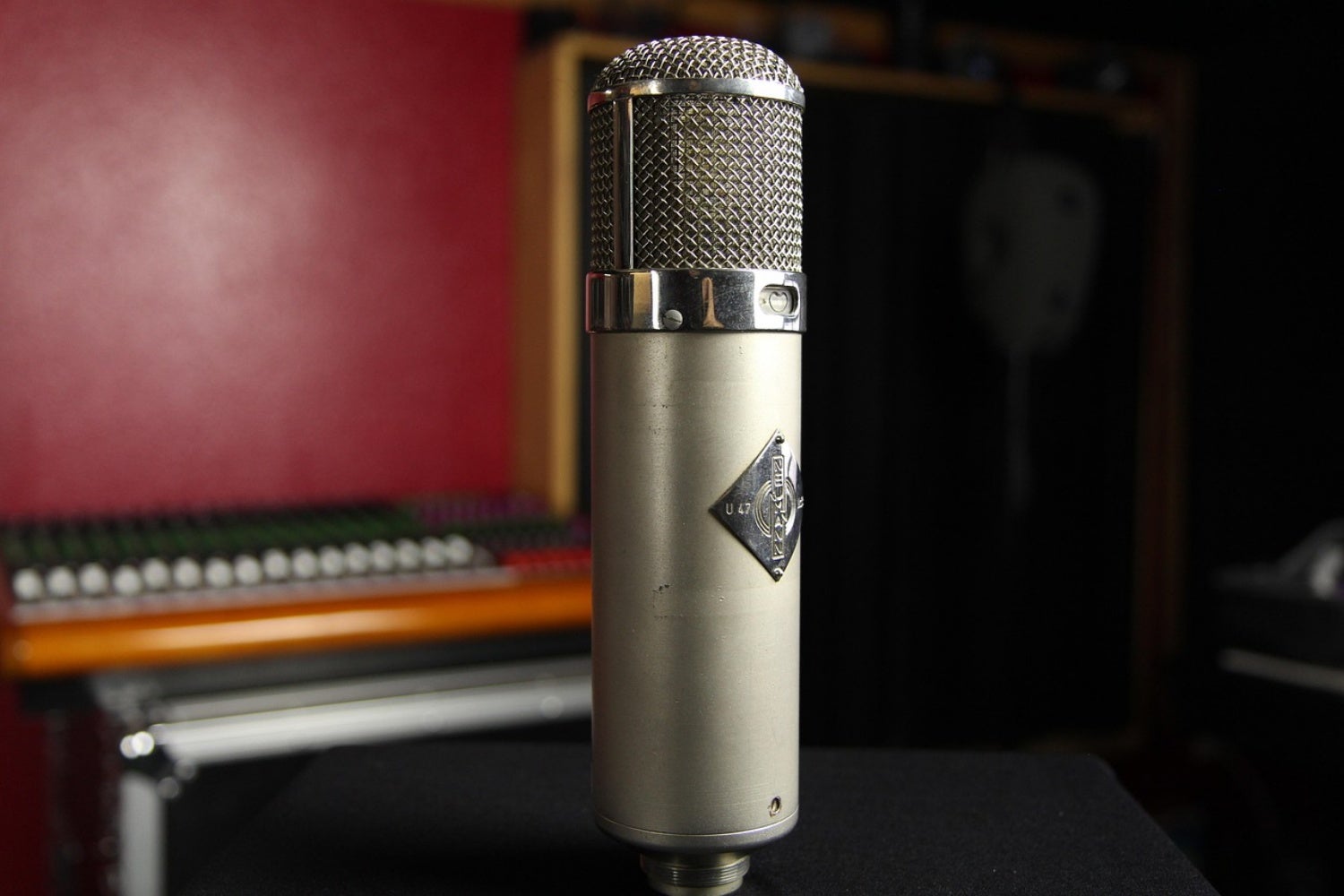
A valve microphone sounds warmer, so they say. I’ve been hearing that for twenty years, and I’ll admit I say it myself now and then after a good glass of wine. As far as I’m concerned, the real story is this: the difference between valve and transistor does exist, but it has less to do with that glowing valve than you might think, and the difference you’re guaranteed to hear is noise.
What the valve in a condenser microphone actually does
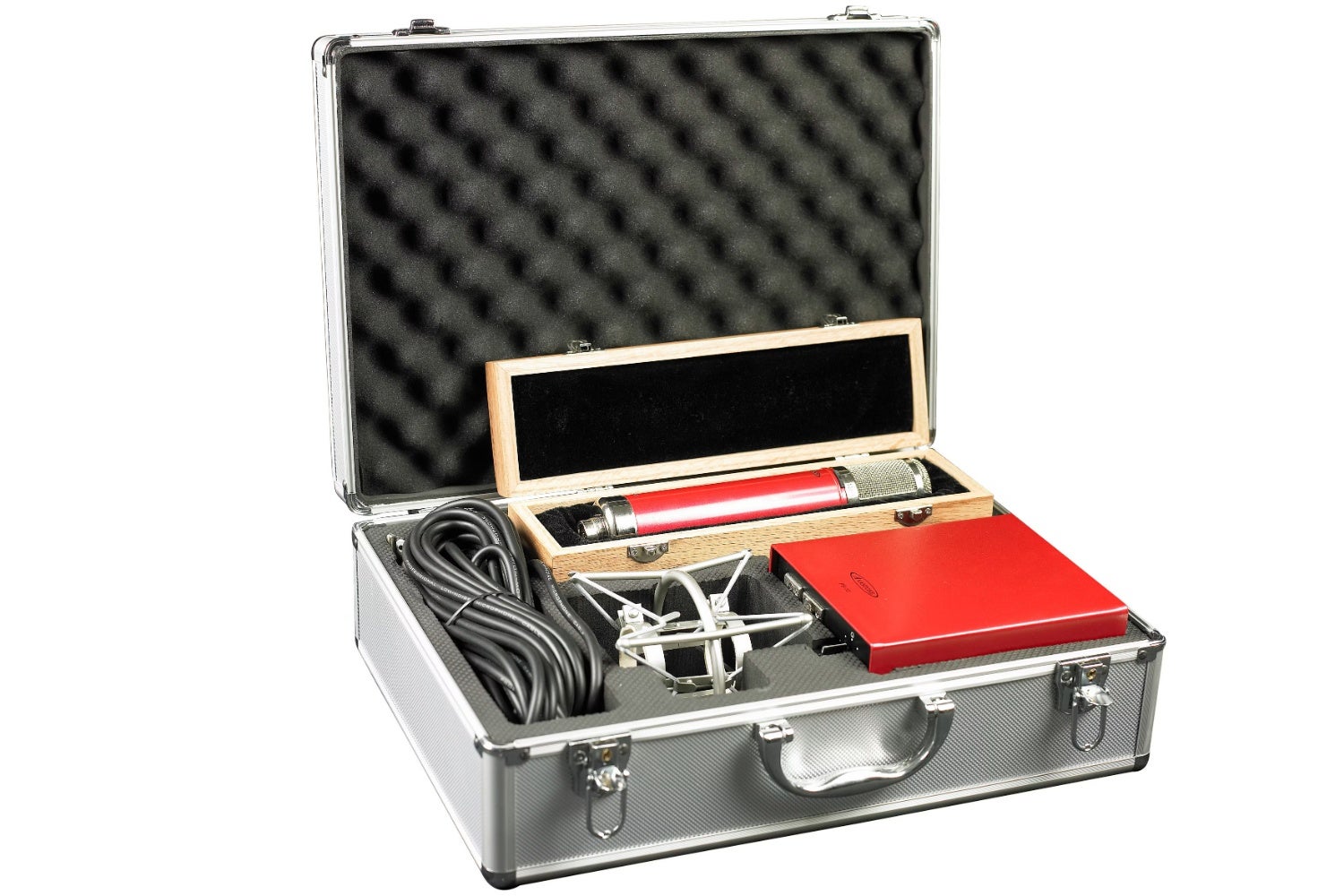
A condenser capsule produces a tiny, high-impedance signal that you can’t simply send down a cable. Something inside the microphone itself has to convert it into a signal your preamp can work with. In a valve microphone that’s a valve; in a modern condenser it’s a FET, a transistor. The valve is first and foremost an impedance converter, not a magic box.
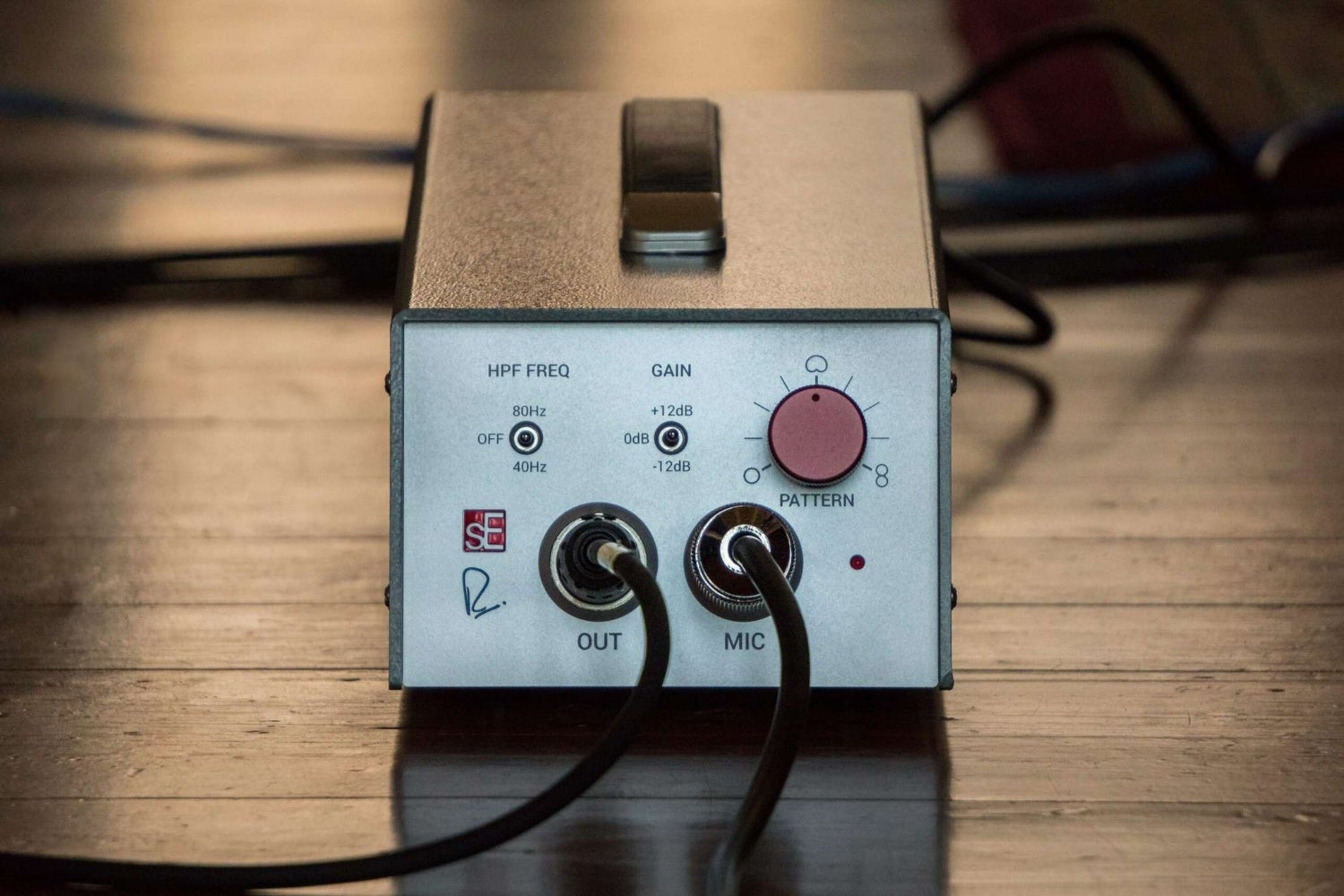
That brings an immediate practical difference. A valve can’t run on the phantom power from your interface. That’s why a valve microphone comes with its own power supply in a separate box, with a thick multi-pin cable in between and only then a standard XLR output. A transistor condenser, on the other hand, you simply plug into your interface, switch on phantom power, and you’re done.
And the sound? That comes from three things at once: the capsule, the circuit with the valve or FET, and the output transformer. It’s precisely that transformer that often gets labelled ‘warm’, and that applies just as much to transistor microphones with a transformer on board. So if you only look at the valve, you’re seeing just a third of the picture.
Why the U47, C12 and C414 are still so sought after
The Neumann U47 is the valve microphone against which all others are measured. The Beatles, Frank Sinatra, Michael Jackson: they all sang into one. It was also the first condenser microphone with switchable polar patterns, achieved simply by switching off the polarisation voltage on the rear diaphragm. That principle can still be found in every switchable condenser today. The U67 and U87 followed in the sixties.
The AKG C12 is the other great valve classic, a fixture at the BBC and Abbey Road, among others. The C414 from the same brand is a transistor microphone you’ll come across in virtually every studio. Tellingly, when the C414 got a new capsule with a nylon base, the sound became warmer. No valve involved.
The strongest evidence comes from Neumann itself with the U47 FET: the same K47 capsule, but with a transistor circuit, designed to approximate the sound of the U47. That microphone became a favourite on kick drum, guitar amp and bass, and is still being recreated to this day. A large part of the character lies in the capsule; the valve does the rest.
Noise: the difference you definitely can hear
Try this test if you have a valve microphone at home: place a second large-diaphragm condenser next to it, set the gain on both so that your voice comes in at the same peak level, then listen to the noise floor with your mouth closed. Chances are the transistor mic will be quieter.
Valve microphones are generally noisier than solid-state condensers. A self-noise of 15 dB-A versus 7 dB-A is a realistic example, and that’s a difference of 8 dB. With a rock singer at ten centimetres you’ll barely notice it. But with a whisper-quiet ballad in a silent room, with compression and reverb added afterwards, that noise will happily come creeping to the fore. Noise you’ll definitely hear; warmth, maybe.
If your valve microphone is noticeably noisier than you’d expect, the valve itself may be worn or faulty. You can replace it yourself without much fuss. Anything deeper in the circuit is best left to a technician.
» Vocal effects – Play with reverb, compression and more!
An affordable valve microphone for vocals at home: yes or no?
My honest opinion: for most home recordings, no – and I say that as someone who has one sitting on the shelf. At home you don’t have an acoustically treated room: your PC fan, the street and the reflections off your walls all end up in the recording and undermine precisely that subtle ‘warmth’ you’re paying for. The valve’s self-noise isn’t even your biggest concern here; that only really stands out in a dead-quiet, well-isolated studio. So at home you gain very little while still paying full price.
It’s like an expensive espresso machine with cheap beans: the chrome gleams, but what ends up in your cup is down to the beans. In a recording, the beans are your room, your vocal technique and the capsule. With a valve microphone you’re also always paying for a separate power supply and a special cable, and that’s one more box on a desk that’s already crowded.
So when does it make sense? When your voice sounds good on it, full stop. I’ve had singers who suddenly came alive on a valve microphone at home because it made them feel like a real artist. OK, that’s psychology, but a recording isn’t a lab report. Put a pop filter in front of it, get up close so the noise becomes relatively negligible, and compare it honestly with what you already have. Buy it for your ears, not for the glow.
» View all studio condenser microphones
» View all valve microphones
 Want to turn LPs into MP3s? Here’s How to Digitise Your Vinyl
 Everything You Need to Know About Making a Podcast
 Setting Up the Band with a PA System? Here’s What You Need to Know
 Recording the Acoustic Guitar: The Basic Rules
 How to Breathe: For Vocalists & Musicians
 How to Tune Up & Play a Guitarlele
No comments yet...