
Musician
-
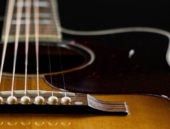
In this helpful, purpose written guide, Guestblogger Karlynn explains how to replace the scratchplate of an acoustic guitar. Along the way, you’ll also find out why your scratchplate is so important; why it might need replacing at all; how to start, and what you need to watch out for.
Comments Off on Replacing the Scratchplate of an Acoustic Guitar: Do it Yourself! | in: Guest Blogs, Guitarist, Musician -

An instrument that fits in your pocket and makes a pleasant yet arguably hilarious ploinky-ploink sound is pretty hard to take seriously and much easier to just dismiss. If the mouth harp is your musical weapon of choice, no fame, glory, or fortune awaits; such is the life of the humble mouth harpist. Also known as a jaw harp or even a Jew’s harp, the mouth harp actually wields a secret power that’s at least 4,000 years old, and this power is able to slot seamlessly into contemporary music whether it’s noticed or not. Here, master of the mystical mouth harp, Danibal helps to explain how and why this wee and weird instrument is well worth your time.
Comments Off on The Mouth Harp: The Sound, Origin & Playing Technique | in: Musician -
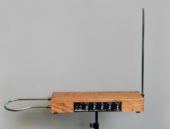
Known for soundtracking countless B-movies in the fifties and leading the orchestra that played the original Star Trek theme tune, we’re going to take a look at one of the weirder, more sequestered instruments of the music-making world: the theremin. The theremin is also the oldest electronic musical instrument in existence, and what marks it out from the synthesizers that followed is not just that UFO-like whine, but the bizarre hands-off gesturing technique that’s used to play it. This is the only musical instrument you can play without even touching it.
Comments Off on The Things You Can Actually Do With a Theremin | in: Musician -

If your band is busy laying roots across the country, playing every gig it can, whether in a fully set up venue or grubby backstreet pub, the idea of kitting yourselves out with a good PA system has probably come up already. But as soon as you’ve decided to take the leap, you’re faced with a whole new set of questions. Do you need active or passive speakers? Do you just need a little vocal setup or a complete PA system? What do you need to look for in your perfect mixer, your monitors, your microphones…? And so on. Not to worry, in this blog, we will lend a generous helping hand and set you up with the knowledge you need to make all the right decisions.
-

Unfortunately, there comes a time when everything breaks, and the same is definitely true of music gear, whether it’s speakers, valve amplifiers, or your electric guitar or bass. In the worst case, you’ll need to get it fixed by a professional, but there are some smaller, more simple repairs that you can actually carry out yourself. With a voltmeter, a soldering iron and a little solder on your side, you can get more done than you might think.
-

Sharp outfits mean nothing if you’re not a sharp, tight band. Good timing is the essence of playing in a band, and if you don’t have it, then you risk sounding like a shambles. So, how do you hone your skills to make sure you’re hitting every beat and that you’re part of a super-tight band? We offer up fifteen exercises and some handy tips to help you get there.
Comments Off on Want to Play Tight? Then Nail These Exercises | in: Musician -

While there’s plenty to learn when it comes to singing alone there’s just as much to learn when you start adding more voices to create harmonies. With just one extra voice, you can already sing awesome harmonies, so just imagine what happens when you start adding even more!
-
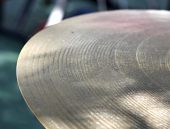
By simply adding the right cymbals, any drum kit will sound entirely unique compared to other kits, and that’s exactly why drummers spend quite a bit of time and effort finding the perfect set of cymbals. The fact is that at some point, just like us mortals, cymbals will one day reach the end of their life. In this crash course on cymbal maintenance, I’ll let you in on a few secrets and show you how you can delay the inevitable.
-

The internet is already stacked with the ready-made chord arrangements of countless songs, but what if you can’t find the song you’re looking for? No problem. There are also apps that you can download and use to pick out the right chords for you. But… regularly figuring out the chords of a song is actually a far better idea. Why? Because it’s a great opportunity to train your ear. In this blog, we explain how it’s done and how to use lead sheets.
-

Whether caused by a bad habit or a passionate performance, the injuries related to being a musician can range from a gradually niggling and continuous beep in one ear, to chronic and unbearable wrist pain. If you want to play comfortably for the rest of your life, then it’s more than worth learning to listen to your body, practise some good-old self care, and avoid long-term injury, hearing damage, and dreaded RSI!
-

When you hear the word piano, most people may still think of an acoustic upright or a big majestic grand piano. But for decades already, digital pianos have been on the rise and they’re only getting better. Also known as electric pianos, what are the main differences between digital and acoustic pianos, and which one would suit you best? In this blog, I hope to help you find out.
-

Jazz doesn’t just include putting some great techniques under your fingers, but if you really get into it, finding the right guitar for the job can be a nice little journey in itself. Since many different genres sit under the jazz umbrella, some guitars will suit one sub-genre better than another. In this little blog, we talk about the most common jazz guitar models and the jazz genres where you’re most likely to find them. Before we get into it, and for all the beginner jazz-guitarists out there: if you’re looking for your first jazz guitar, the best place to start is by looking at the model that’s in the hands of your hero.