How to Write a Good Song When You’re Not a Professional Musician
Published on Friday 21 February 2025

Guest-blogger Guillaume de Lophem is a singer-songwriter and artist coach. He’s also a self-taught musician, which didn’t stop him from making an EP and working on a 12-track album that’s soon to be released. Guillaume is the living proof that you don’t need to be a professional musician to release music and offers six practical tips for budding songwriters.
The Magic in a Song
Writing a song that can touch its listeners doesn’t require Beyonce’s vocal range or Jimi Hendrix-grade guitar solos. The real magic, that almost inexplicable quality, happens when the lyrics and sounds coalesce and evoke emotion, and every musician bakes this sonic cake in their own different way. There’s really no ultimate recipe, and there’s certainly no need to be a virtuoso. Good songs require only two ingredients: authenticity and a feel for music. As long as you’re filled with ideas and fueled by passion, there’s always a way to express yourself musically.
#1. Your Vocals Are Unique
The voice is the most personal musical instrument there is. Vocals not only evoke emotion, but reveal intentions and can say a lot about a person. Your vocals represent your identity as a musician and serve as your spokesperson for future fans. Even if you sound more like Bob Dylan than Freddie Mercury, you can still make music that deeply moves people. Why? Because it’s your voice.
#2. Simple Chords
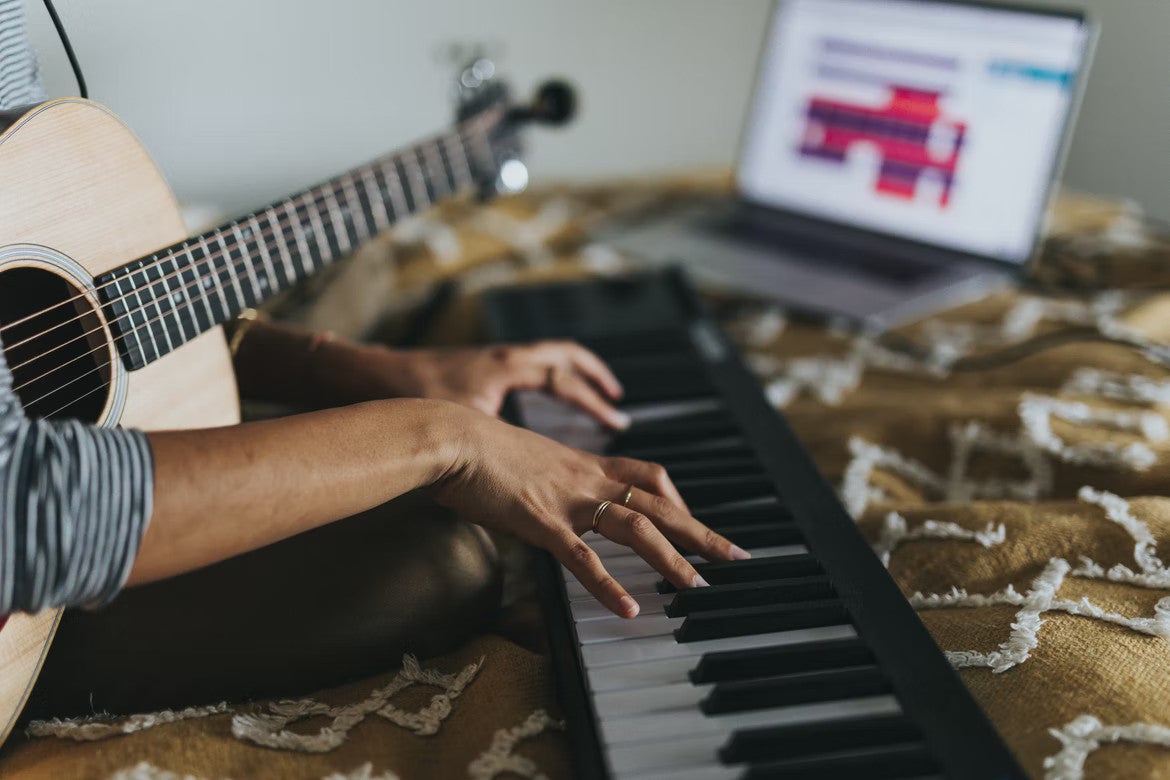
Writing good songs doesn’t hinge on complex chords. In fact, many-a banger was written with just a handful of basic chords, think ‘No Woman No Cry’ by Bob Marley, ‘Let It Be’ by The Beatles and ‘Can You Feel The Love’ Tonight by Elton John. Feel free to take the chords of a popular song, change the order and create chord progressions in different rhythms. Allow your feelings, intentions and imagination to guide you.
#3. Pseudowords
You also don’t need Shakespearian verse to write a good song. What’s more, you should feel free to use pseudowords that don’t even mean anything. The Police (‘De Do Do Do, De Da Da Da’), The Beatles (‘Ob-La-Di, Ob-La-Da’) and Hanson (‘MMMBop’) have all done it before you, and with great success. Pseudowords can help create a certain vibe, support the emotion in the narrative and, if needed, can always be turned into real words later on.
#4. Body Percussion
The vocal cords aren’t the only natural instrument that you have at your disposal. Body percussion, so things like snapping your fingers, clapping your hands, tapping your feet and slapping your thighs, is another intuitive way of making music. Just have a listen to ‘Don’t Worry, Be Happy’ by Bobby McFerrin or ‘We Will Rock You’ by Queen. Again, these sounds can always be replaced with real instruments later on if you want (see tip #6).
#5. DAW
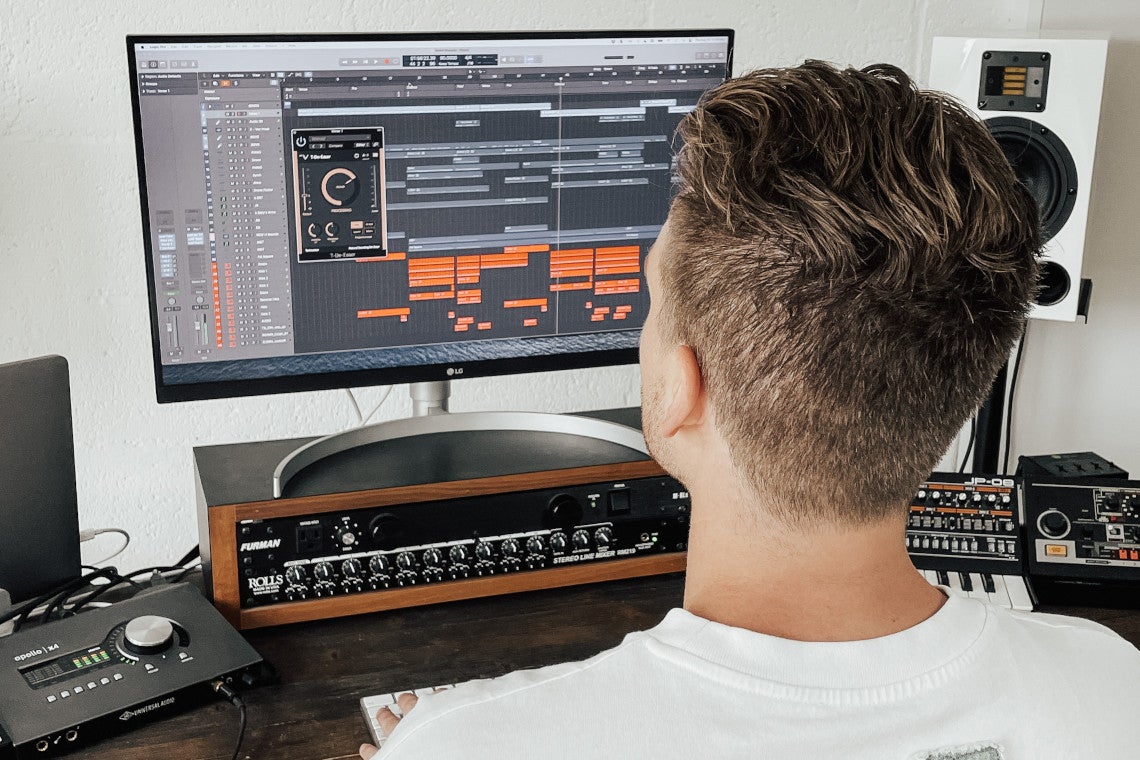
DAW (Digital Audio Workstation) software isn’t exclusively developed for professionals. If you have a knack for music, you can polish off little pieces of art over the course of several days using some dedicated music production software. Most DAWs feature instrument plugins that come with extremely realistic piano, guitar, drum, synth, organ and orchestra sounds. Create a separate track for every instrument you need and mix it down until it sounds good. Plug in a USB microphone to lay down the vocals, and hook up a MIDI keyboard so you can play virtual instruments just like you would play a real instrument.
#6. Professional Musicians and Sound Engineers
Know a professional musician or sound tech? Then don’t hesitate to ask them for help. And no, they won’t laugh in your face. If they can tell that you’re genuinely passionate about music, they’ll be happy to work on your project. They won’t care that you’re not a DAW expert or virtuoso guitarist (yet). As fellow musicians, they’ll simply try to gauge where you want to take your music and see how they can contribute. Their only goal is to make your songs better. Don’t know any musicians? Check out one of the many websites out there where you can find like-minded musicians, potential jam mates or a band to join. Google is your best friend here!
See Also
» Electric Guitars
» Acoustic Guitars
» Digital Pianos
» Keyboards
» MIDI Keyboards
» USB Microphones
» DAW Software
» How to Make a Beat
» Pop Song Structuring: Verse, Chorus, Bridge and More Explained
» Evergreen Songs: Are They Still Being Written?
» Writing Catchy Songs Is All About The Hook
» Ten Ways to Make Money from Music
» Musicians and Artists: Build Your Fanbase!
» How to Write the Perfect, Personal Wedding Song