
Studio monitors as hi-fi speakers: good idea or not?
Published on Tuesday 13 October 2026
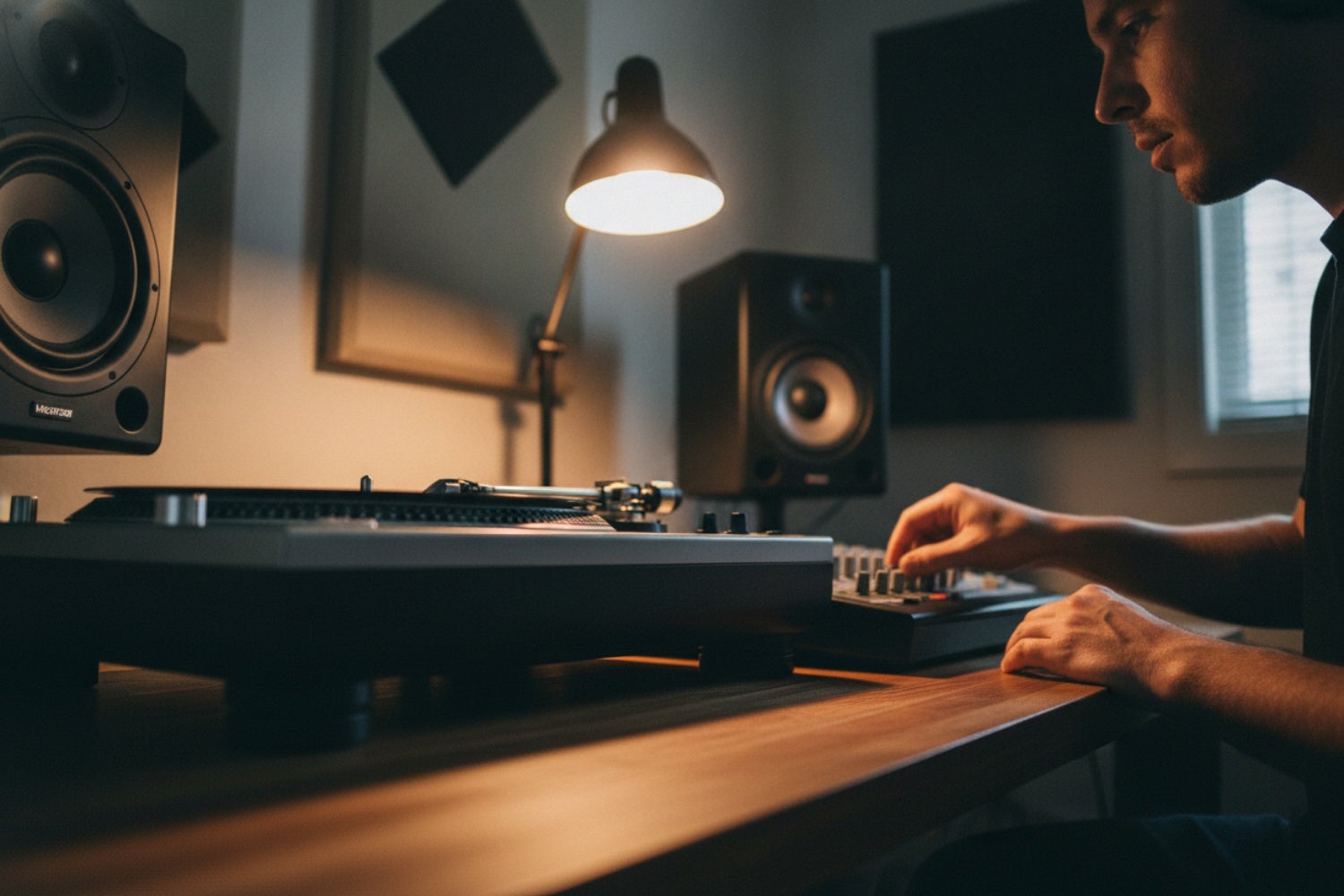
Studio monitors in the living room: is that allowed? I regularly get this question from friends who are torn between a set of active monitors and a pair of bookshelf speakers. My answer: it can work perfectly well, as long as you understand that a monitor is designed to be honest and a hi-fi speaker is designed to sound beautiful, and that you need to be the kind of listener who suits that. The rest comes down to setup, budget and taste.
What a studio monitor is made for
A studio monitor has one job: to let you hear what’s really in the recording, including everything you’d rather not hear. Designers aim for the flattest possible frequency response, without colouration. After all, a producer wants to know whether the bass is too thick or the vocals too harsh before the whole world hears it. A monitor that glosses over that is worthless in the studio.
Hi-fi speakers are designed with a different goal in mind. Here it’s all about the music carrying you away: speakers that seem to disappear, a wide soundstage between the boxes, a sense of realism. A speaker like that is perfectly entitled to make the source material sound a little nicer. Think of it as the mirror at the hairdresser’s under glaring lights versus the mood lighting in a restaurant.
What I would do
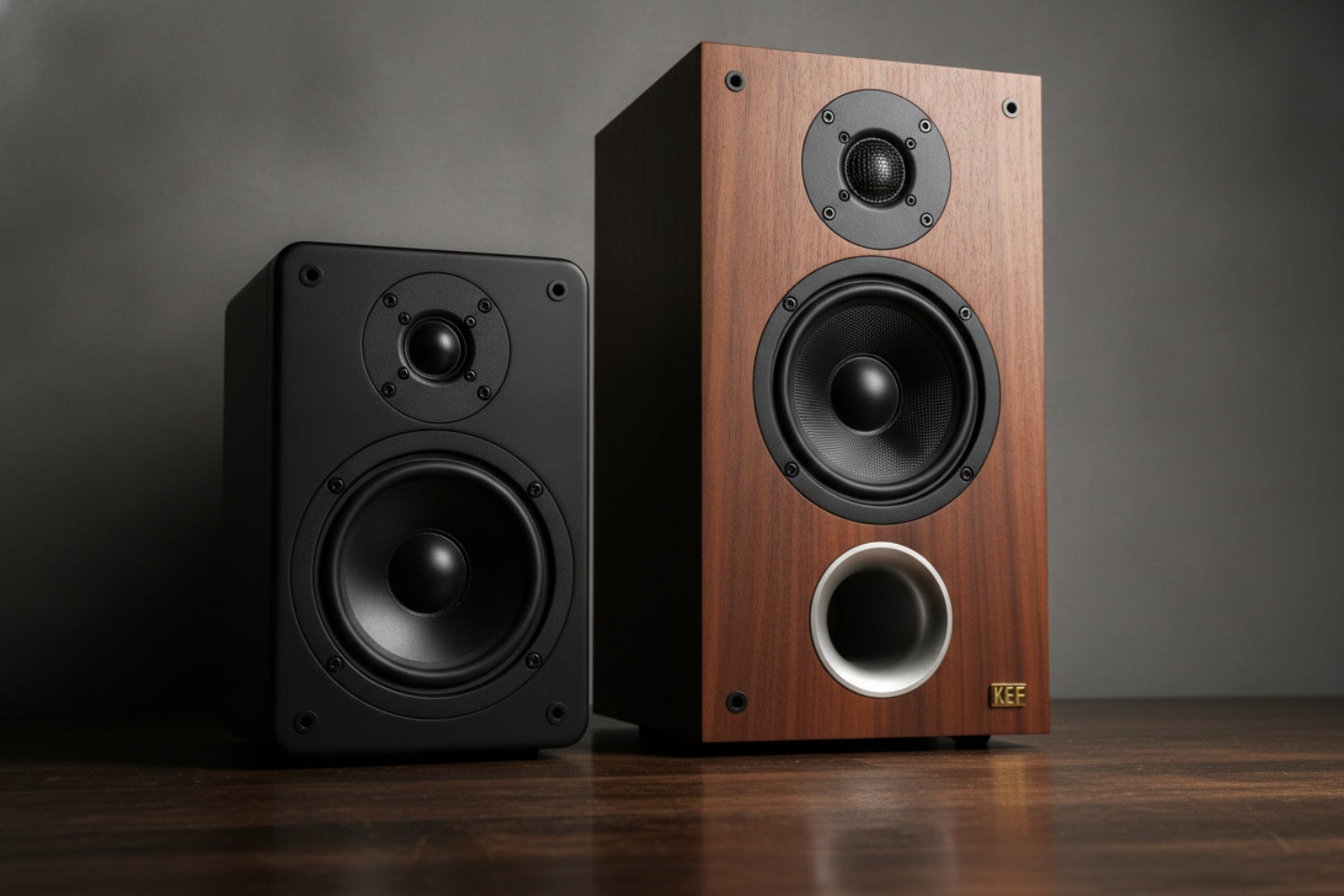
For simply listening to music, monitors work brilliantly, provided you value honesty in your sound. A poorly mastered record also sounds mediocre on a monitor; that’s not the speaker’s fault but the record’s. Personally, I actually like that. (That said, engineers sometimes deliberately use speakers that mimic an average living-room system to check whether a mix ‘translates’ to the everyday listener.)
If you mainly want to drift away on the sofa, with a wide soundstage and a warm glow over old recordings, a good hi-fi speaker is the more logical choice. That’s not a weakness of monitors; it’s simply a different design goal. My most important tip: before you buy, listen to music you know, at the same distance you sit from your speakers at home.
» Connecting studio monitors
» Do I need an amplifier with my studio monitors?
» Try the Interactive Studio Monitor Buying Guide
The difference isn’t actually that big
Now for some nuance, because it’s never been black and white. Most speakers, from cheap to eye-wateringly expensive, strive for a certain degree of honesty. A hi-fi speaker is essentially a monitor that sits a few steps further down the chain: not in the studio with the creator, but at home with the listener. Anyone who has ever placed a two-way speaker with a 6.5-inch woofer and a 1-inch dome tweeter from the pro shelf next to one from the hi-fi shelf will notice that they’re suspiciously similar in construction.
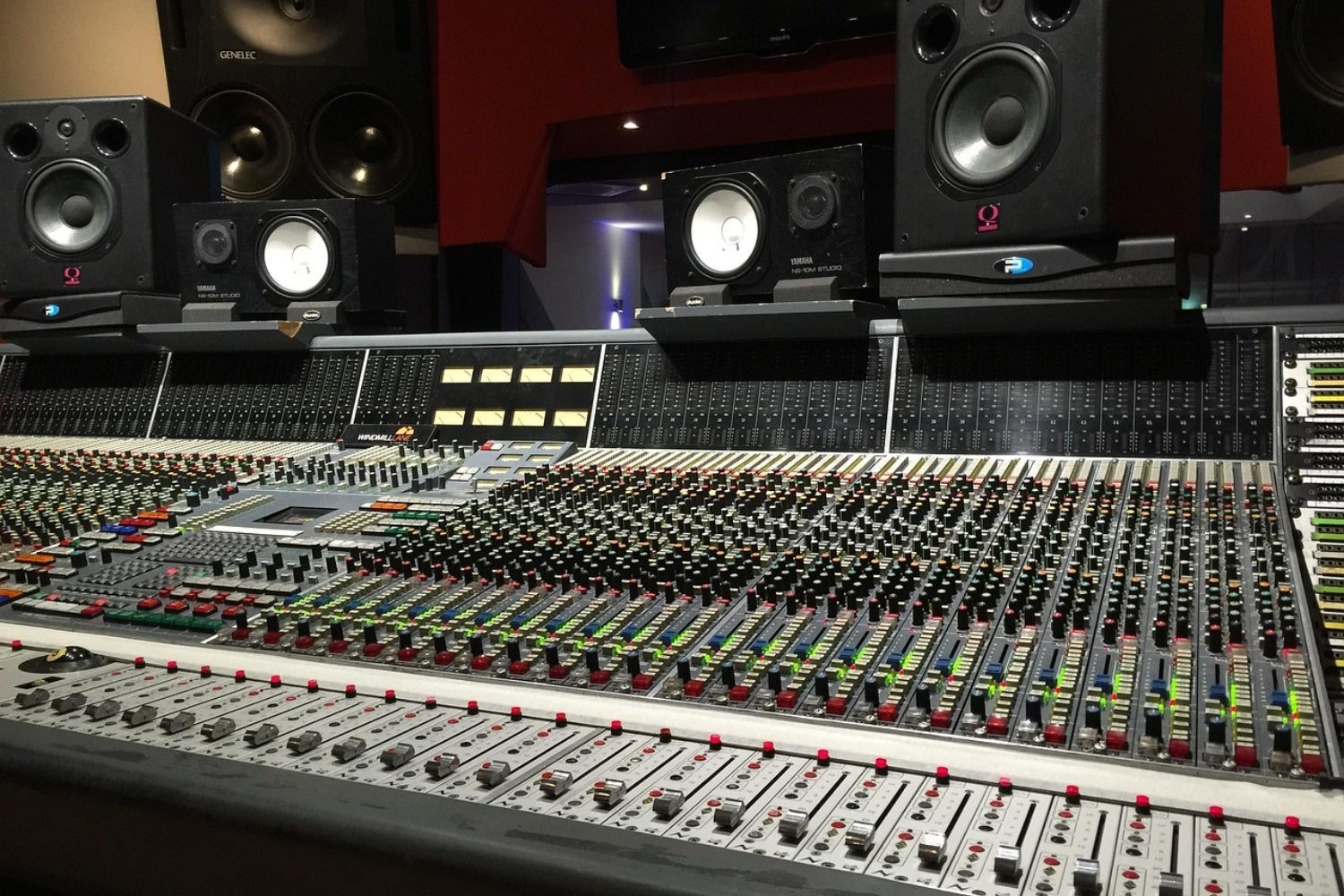
What’s more, there’s no industry standard for monitors. Every studio used to sound different, and the rise of home studios has only made things more varied. The BBC was already tackling this in the 1950s: one reference speaker for all its studios, so that a mix would be judged the same way everywhere. They were after consistency, not so much perfection.
My favourite example is the Yamaha NS10, the classic that sat in countless control rooms. That speaker was conceived as a living-room speaker and flopped there because it sounded too honest. At the same time, its midrange was uneven and its top end too bright, yet it still became the studio standard. Not because it was flat, but because everyone knew it. If a mix sounded good on it, it sounded good everywhere.
And take note: the label ‘studio monitor’ or ‘hi-fi speaker’ says nothing about quality. Dirt-cheap monitors, for example, can simply sound muddy. They may well be designed to sound neutral, but whether they actually succeed is always the question. A high-end hi-fi speaker can be more revealing than an entry-level monitor. In any case, remember that small, cheap speakers generally offer little bass and limited volume, even if it says monitor on the box.
» Budget studio monitors: good enough or keep saving?
Up close or far away
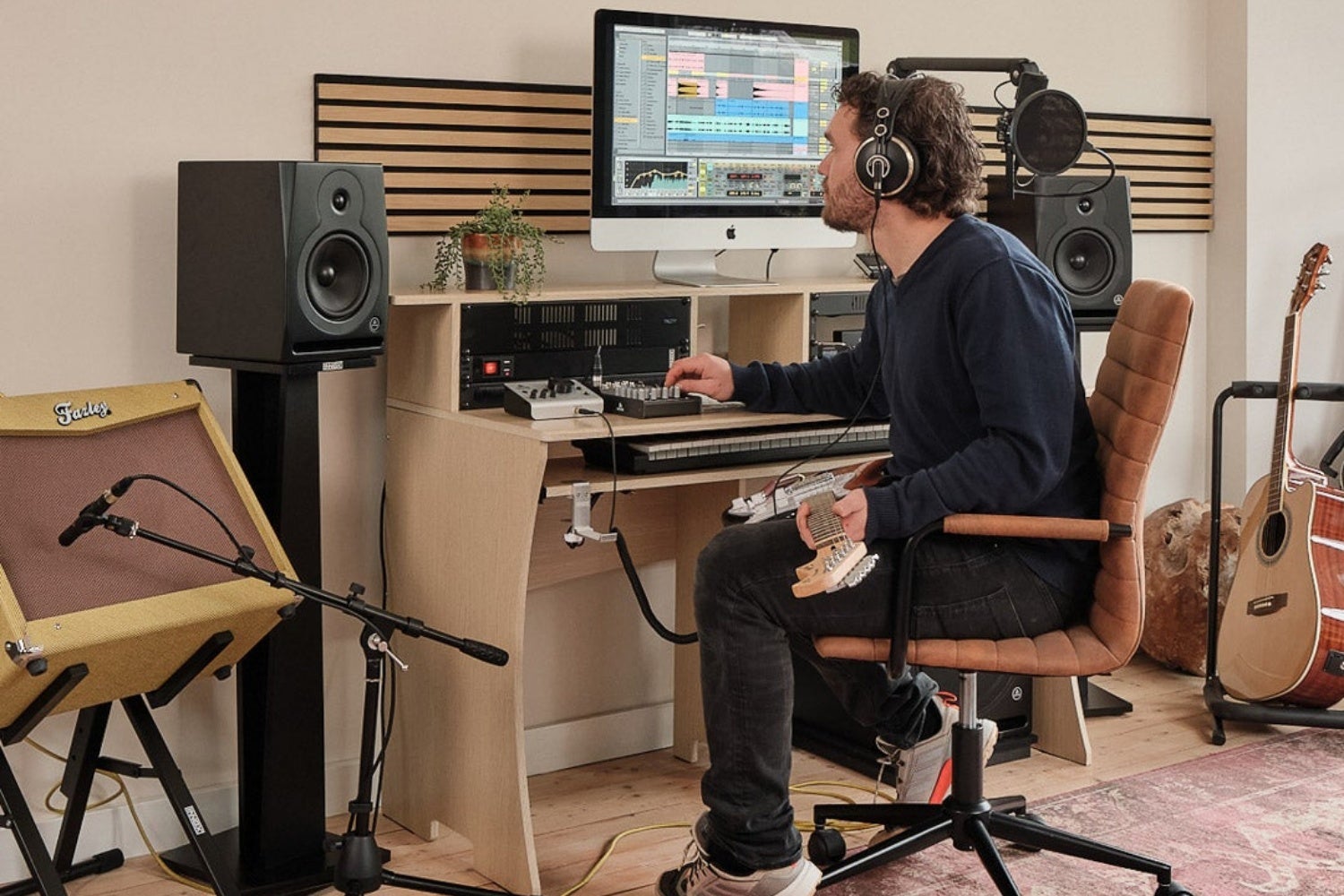
The real difference often isn’t in the box itself, but in where you put it. A nearfield monitor (most monitors are nearfield) is compact and sits one to two metres away from you, on a desk or stand. That way, you mainly hear the direct sound from the speaker and far less of the room’s reflections. In the studio, that’s exactly the point: the room shouldn’t get a say.
A hi-fi setup is more likely to be around four metres away from you. That can work perfectly well with a nearfield monitor, but you then lose the specific acoustic advantage of the nearfield setup. At a greater listening distance, the ratio of direct sound to room reflections decreases (you hear more of the room).
» View all studio monitor stands
 Setting Up the Band with a PA System? Here’s What You Need to Know
 The Hammond Organ: A Classic
 Budget Studio Monitors: Good Enough or Keep Saving?
 Playing Keys in a Band: What You Need to Know
 Want to turn LPs into MP3s? Here’s How to Digitise Your Vinyl
 Studio Engineer in-Training? Here’s What You Need to Know
No comments yet...