
-
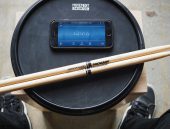
In this blog, guest-blogger and drummer Wietse Hendriks shares some of knowledge on drumming in irregular timings, like 5/4 and 7/8. Wietse explains how to count along and, most importantly, how to master the skill as a drummer – examples, explanations and drum exercises included below!
-

Great stage sound is essential if you want to put on a great live performance but can be difficult to achieve. Luckily, the tools that can help have already been invented: floor monitors and in-ear monitors. That said, these bits of kit also cause the occasional issue. In practice, balance and discipline are what makes or breaks great live sound – monitoring actually only comes in third place.
Comments Off on Stage Monitoring: Some Do’s and Don’ts | in: Live Sound -
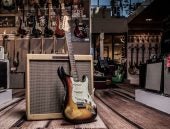
Have you ever wondered what pop music would’ve sounded like if the electric guitar had never been invented? Used in practically every other pop tune, this massively popular instrument has allowed many musicians to reach a legendary status. If you’re wondering who some of those famed and influential guitarists are and what it takes to become one of them, then simply dig into this humble article and read up on the history, sounds and various playing techniques of the electric guitar.
-

Looking for the perfect DAW for electronic music production? Guest-blogger and home-studio-coach Ben Van Essen highlights some of the most popular options on the table and helps you pick out the software pack that suits your needs.
Comments Off on The Perfect DAW for Electronic Music Production | in: Guest Blogs -

Trombones are part of a category of instruments called low brass and generally take care of the ‘body’ of the sound produced by symphony orchestras, big-bands, salsa acts and pop-band brass sections. When played using a plunger mute, the trombone can laugh, cry, whine, roar, talk and incite emotion, making it one of the most expressive instruments on the planet.
Comments Off on The Trombone: Types, Playing Techniques and More! | in: Musician -
Thanks to social media, it’s never been easier for bands to reach a huge audience by dropping studio-polished tracks on online platforms. That said, sounding good in the studio is one thing – sounding just as good or even better on stage is another. Stunning live performances are exactly what sets good bands apart from the rest, which raises the question: how do you make the perfect live recording of a gig? Well, read on and learn!
-
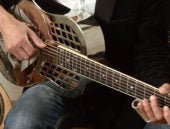
Everyone has their own associations upon hearing the sound of a certain instrument. Without doubt, most of us will link the sound of a resonator guitar (also known as a dobro) with the rocky landscapes of the American South – the place where the resonator guitar found its home in bluegrass, country, blues and other styles characterised by the authentic sound of this steel-stringed instrument.
-
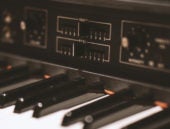
Our shared obsession for vintage instruments is as timeless as the gear itself. From the Rhodes, Hammond and Wurlitzer to the Yamaha CP series, the Clavinet and the Mellotron, the signature sound of these old-school units can be heard in countless chart-toppers, which goes to show just how big of a mainstay these revered keyboards are.
-
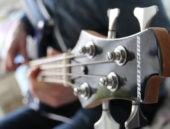
Writing your own bass lines based on chord progressions. How do bassists do it? While there’s no magic mould, thankfully, there’s a fair number of guidelines you can use to come up with solid bass lines of your own. Experiment using the tips in this humble guide and chances are you’ll make great strides
-

If you’ve been playing the guitar for a while now, the standard EADGBE tuning might feel a bit like a musical straitjacket. If you want to go beyond standard tuning however, you’ll need to get off the beaten path. Open tunings open up a whole new world and can make playing guitar feel like an adventure again. “You’re forced to learn how to play guitar from scratch again,” says fingerstyle guitarist Hans Laduc.
-
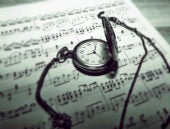
If you’ve already devoured our blog about Rhythm, Tempo & Measure and feel ready to dive in a little deeper, here’s everything you need to know about time signatures, bar lines and repeat signs. Whether you’re here to learn to read music or just want to get a better feel for timing, you’ll find useful information here.
2 responses | in: Music Theory -

If you’re about to put on your songwriting pants for the first time, it’s worth knowing that most songs consist of building blocks like the verse, chorus and bridge. In this blog, we’ll tell you all you need to know about how songs are structured and why.
Comments Off on Pop Song Structuring: Verse, Chorus, Bridge and More Explained | in: Songwriting & Composing
About Bax Music
Bax Music is your go-to online music store in the UK with more than 48,000 bits of gear and accessories in stock. More than 1,000 brands and a 26,000m2 warehouse packed with musical instruments, DJ and studio gear, headphones, speakers and lighting. Ordered before 10 PM? Receive delivery in 2 - 4 business days.
Subjects
Sign up for the Bax Music Blog Update!
Just fill in your email address and we'll drop a fresh instalment of blogs in your mailbox every month so you never have to miss out again.