
Reading the dance floor as a DJ: how to sense what your crowd wants
Published on Tuesday 3 November 2026
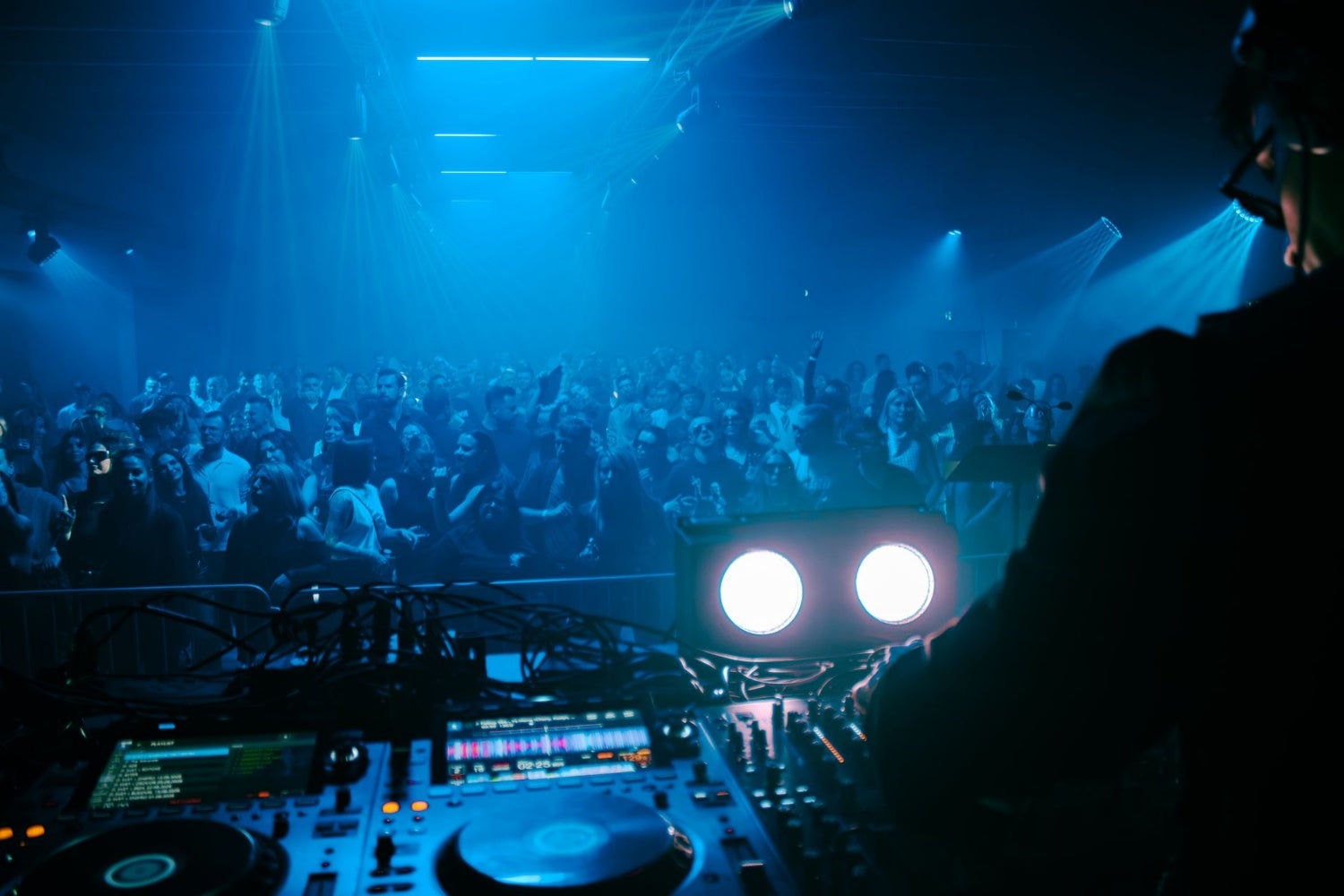
A packed dance floor is no accident. The best DJs I know aren’t necessarily the best mixers, but they are the best ‘feelers’: they register what’s happening on the floor and respond at just the right moment. Reading your crowd starts before you’ve even played your first record, and it works differently at a wedding than it does in a club.
Reading starts before you put on the first record
I always arrive well ahead of time. Not because I love sitting on a bar stool for an hour, but because it lets me see how the room fills up. What age group is there? Do people arrive in groups or on their own? Are they on the beer or the cola? A chat with the owner, the bride or the DJ playing before me often tells me more than an hour of digging through my collection. And I listen to what’s already playing: people singing along to the bar’s playlist are giving you information for free.
The time of night determines what works. At ten o’clock at a wedding, nobody wants a hard techno track, and at four in the morning in a club, nobody wants a gentle warm-up tune any more. At those moments, your crowd is a different crowd, both physically and mentally. Anyone who ignores that and simply churns out their standard set isn’t reading a dance floor, they’re reading a playlist.

The signals a dance floor gives you
The clearest signals are the loud ones: cheering at the first notes, or an entire room bellowing along to a chorus. You don’t need to be a DJ to pick up on those. The real reading is in the little things. Think of a nodding head at the bar, tapping feet by the tables, or a small group hovering hesitantly at the edge of the floor. Those are people who are just one good record away from dancing.
Also keep an eye on who’s arriving and who’s leaving. Two people heading to the loo means nothing. Half the floor shuffling towards the bar at once means everything. And watch who’s going all out and who’s holding back: are you playing for that first group, or for the larger group that still needs convincing? My headphones are on one ear. The other ear and both my eyes are on the room.
Requests are a signal too, but one you need to filter. If five different people ask for disco, that’s a pattern and I need to do something with it. If one bloke is shouting for an après-ski anthem at half ten, that’s one bloke.
Building energy and changing direction without emptying the floor
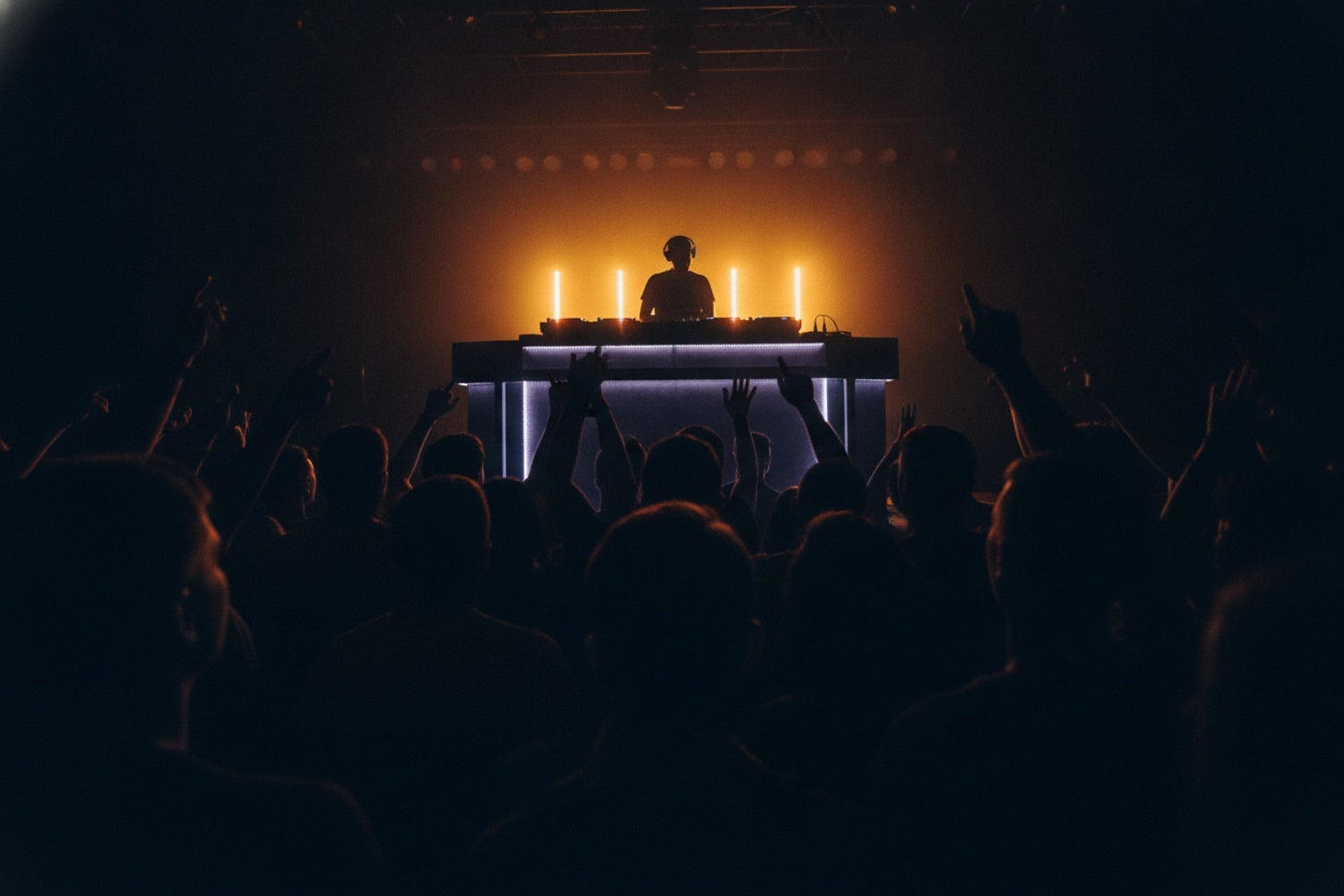
The biggest mistake I see beginner DJs make: giving it everything straight away. Volume maxed out, the biggest bangers in the first half hour, and nothing left by midnight. A night is a build-up. Let the volume and tempo grow gradually along with the room, so the floor fills up on its own rather than you having to shout it full.
Only use abrupt transitions as an exception (for an energy boost), otherwise the element of surprise soon wears off. That’s why it’s a good habit to use a bridge track to link two genres, for example an R&B track and a hard-hitting house banger. Choose a track that has a bit of both, such as a song in the new tempo but with a voice people recognise, and see what the floor does. Is the floor going with it? Then you can carry on. Are people just standing there? Then you can still turn back.
You read a wedding differently from a club
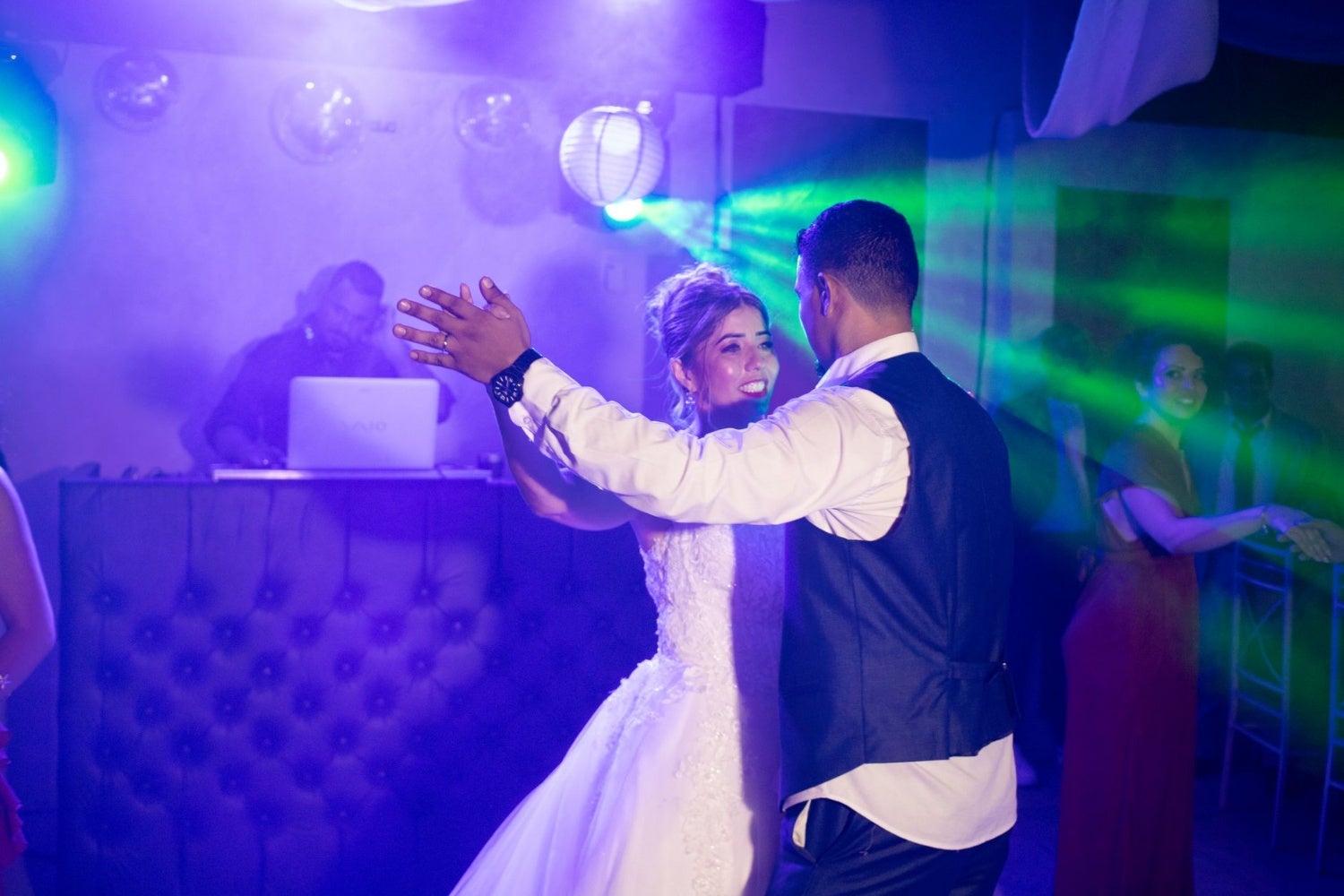
The type of party determines how you read the room and how far you can push it. At a wedding I’m first of all playing for three generations at once. On top of that, a request from the bride isn’t a request, it’s an order.
In a pub you often get two parties in one night: the early drinkers who want to chat with music in the background, and the later crowd who come to dance. Reading the room there is mainly about spotting the moment that changeover happens. With open format, you have the most freedom and the most risk. You can go in any direction, so you have to watch extra closely to see whether the room really wants to make the leap from hip hop to house.
Reading a crowd isn’t a talent, it’s a muscle. In your first few nights, you’ll miss everything and play on hope. After a hundred nights, you’ll picture the floor emptying before the first person has even taken a step. That instinct only comes with experience, so get out there and play, watch closely and be honest with yourself about what went wrong. Every single night, the crowd tells you exactly what you need to know. Are you willing to listen?






No comments yet...