
Musician
-
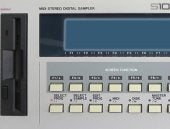
Guest blogger Freek Roffel from Freaky Studio takes you through his second blog about sound synthesis. Or the lack of it. To understand what a rompler is, we’ll take a deep dive into the history and discover that old techniques still shape today’s music. And what exactly is the difference between romplers and samplers?
-

As a musician, you’re of course familiar with staff notation or chord symbols. Two forms of music notation that make it possible to play songs straight from the page. But you may also have heard of a third form of notation: the Nashville Number System. Guest blogger and singer-songwriter Kevin Okkema explains exactly how it works.
-
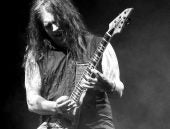
From the album ‘Through the Ashes of Empires’ right up to the full-length record ‘Catharsis’, Phil Demmel was a member of Machine Head. After founder Robb Flynn, he’s the guitarist who spent the longest time in this famous Northern California groove metal band, and in that role he’s absolutely left his mark on the legacy of these metal giants.
-
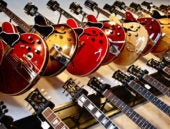
Led Zeppelin’s Stairway to Heaven is a timeless classic. And yet there’s a strange vibe around the song, with the intro even being dubbed “the forbidden riff”. In this mini-blog, we dive into the stories behind this evergreen meme — and why, according to some people, you’re not supposed to play Stairway to Heaven in a music shop.
No responses | in: Musician -
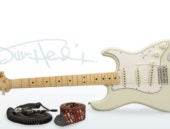
When the greats of this world use a particular guitar from their collection time and again, they often develop a special bond with it. The instrument will often end up with a name or nickname, and a real cult following can grow around it. In this blog, we dive into the story of a special electric guitar: Izabella, Jimi Hendrix’s iconic white Fender Stratocaster.
-
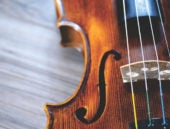
In classical music, violins take pride of place. But the violin has also found its way into pop music, and in styles such as folk rock it’s practically indispensable. How do you play this bowed instrument, and how difficult is it? And what should you watch out for if you want to combine violin and pop? A closer look at a legendary instrument!
No responses | in: Musician -
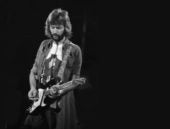
In this blog, we dive into the story behind one of the most iconic guitars in the world: Eric Clapton’s Blackie. Although the nickname is derived from the black body, the rest of this Fender Stratocaster is hard to describe. Blackie is a ‘partscaster’, or in Slowhand’s words: a “mongrel”.
-

Is it time to bring in an image consultant? Or do you not need one as a musician? One thing is certain: a meal in a restaurant can taste amazing, but if the presentation isn’t appealing, it feels less appetising. The same goes for musicians and bands. Image and identity matter. It’s an extra form of expression, adds a new dimension to your band and your music, and above all, it makes you recognisable.
-
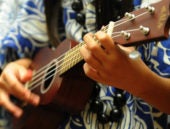
The ukulele (spelled ‘ukulele’ in English) is a small, four-string musical instrument fitted with nylon strings. You’ll recognise it by its bright, cheerful sound. Most of the time, you play chords on it—and those are relatively easy to learn thanks to the ukulele’s compact size and the small number of strings. Originally, you’d mainly come across ukuleles in folk music, but these days they also regularly show up in pop bands and as an accompaniment instrument for singers. In this article, you’ll read about ukulele history, tuning, types and much more.
No responses | in: Musician -
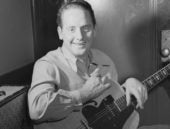
In this blog, we’re not answering the question “what is a Les Paul?”, but who was Les Paul? Guitarist and inventor Les Paul (1915 – 2009) made an important contribution to the development of the electric guitar (the famous Gibson Les Paul) and to popular music, both musically and technically.
-

Diction, pronunciation and articulation are often overlooked topics in the singing world. But that doesn’t make them any less important. In fact, they’re the foundation of good singing and a strong performance. Here’s how that works!
-
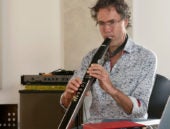
The wind controller, or wind synth, is a synthesiser for wind players who want to pluck, hammer and bow. Saxophonist Louis Gerrits knows all about it. There’s always work for the wind controller, he says. Mind you, the real controller isn’t the instrument, but the player.
No responses | in: Musician