
Live Sound
-
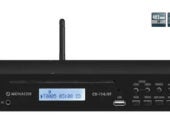
In a professional setting, there’s no room for error, experimentation or, put simply, time to faff with your audio equipment. Whether someone comes up to you with a USB stick, a CD or their phone-in-hand to request a song or playlist, you always want to be able to say: no problem!
Comments Off on Need a Pro-Grade Media Player? Meet Monacor! | in: Live Sound -

As soon as the weather allows it, a lot of birthday parties, weddings and other events are enjoyed outside. And that’s when the right speaker is suddenly a must, because that little Bluetooth speaker on the bookshelf in the living room probably won’t cut it. Thankfully, you’ve got a lot of options when you’re in the market for a speaker that supports a bash in the great wide open.
Comments Off on Picking Out an Outdoor Speaker: From Party to Pro | in: Live Sound -

At some point, it’s going to happen to every band: great gig, shabby sound. While sometimes it’s the venue or local sound tech that’s to blame, the band also has a hand in how they sound. Every band’s stage sound partly determines their success, so whether you’re playing a small café or a big venue, you’ll want to make sure that you come prepared.
-

For singers, rehearsing with the band can be a real struggle when they can’t get their vocals to punch through the mix. Fortunately, there are a few things that you and the rest of the band can do to solve the issue.
Comments Off on Singing and Rehearsing: How to Get the Vocals to Punch Through the Mix | in: Live Sound, Musician, Singer -
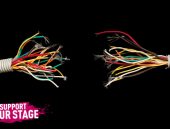
Can you imagine? You’re about to perform on stage and suddenly your signal drops out because the cable broke. Fortunately, every gigging musician’s worst nightmare can be easily avoided. Here’s five tips for preventing cable breakage.
-
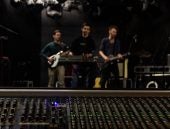
It’s something that every musician and technician has had to deal with at one point or another: stage monitors. When perfectly positioned and correctly set up, you’re looking at a smooth show and maybe a post-gig beer with the band and sound tech, but bad stage sound can lead to dirty looks, the exchange of dirty words and – ultimately – a bad show, simply because the band can’t hear themselves.
Comments Off on How to Fix Bad Stage Monitor Sound | in: Live Sound -
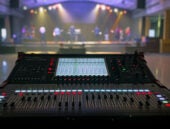
Every kind of performing artist, whether it’s a singer, DJ or band, has probably had to contend with bad live sound or technical issues on stage. Often, you’ll work with the live engineer to try and get things fixed. 9 times out of 10, the engineer will do everything in their power to solve the issue, but on some nights it can feel like you’re dealing with someone who really wants to win the title of ‘Worst Sound Engineer of all Time’. Since I’m pretty certain that no sound engineer actually wants the title, I’ve compiled some good advice for sound engineers on what not to do.
Comments Off on What Not To Do: A Live Engineer’s Guide | in: Live Sound -

We totally understand. You’re a fitness instructor, not a sound engineer, but because you’re often teaching a large group of people, it’s worth knowing how to amplify both the music and your voice, otherwise you’ll find yourself yelling just so the people at the back of the room can hear you and your class is forced to grunt through their crunches and lunges in stony silence. Since you need to keep both hands free, a wireless microphone headset is the ideal solution, but which model is best? What kind of speaker or system should you back it up with? And where do you start if you want to branch out and make YouTube videos and livestreams? In this blog we cover everything to help you make the right, tailor-made choice.
Comments Off on The Right Audio System & Microphone for Fitness Instructors | in: Live Sound, Microphones -

A good sound engineer is absolutely essential for any gigging band. Whether you’re lucky enough to have your own live engineer or you’re working with the venue’s, the person that sits behind all the buttons and faders is essentially the person that’s ultimately responsible for your band’s sound. This means that, as a band member, you’re only partly responsible for the end product, so you’ll want to make sure that everyone on stage and out front is doing their job and getting along.
-

When using any wireless system, whether it’s for wireless microphones, a wireless in-ear monitoring system or a cable-free instrument system, then you’ll have to work with radio frequencies. These are inherent to the way these wireless systems work, since wireless systems convert audio into code before sending it through the air in the form of a digital packet, so it can be picked up by a receiver where the information is decoded and converted back into audio.
-

The shorter the distance between the source and the microphone, the more low frequencies are registered at the cost of high frequencies. This is what’s known as the proximity effect, and it applies to a lot of microphones. In practice, this usually means that the closer you close-mike your voice or instrument, the fuller it’ll sound. Read on and learn how to take advantage of it.
Comments Off on Microphones and the Proximity Effect | in: Live Sound, Microphones, Musician, Singer, Studio & Recording -

While removing cables from the setup gives you freedom to move around the stage, life isn’t made easy for wireless microphone users. With mobile internet and other wireless traffic only getting busier and busier, there’s little room left in the ether for wireless microphones. To solve this issue, Shure has developed an impressive, all-new system: the Shure GLX-D+ Dual Band Series.
Comments Off on Shure GLX-D+ Dual Band: Always a Free Microphone Frequency | in: Live Sound, Microphones