
-

In previous blogs on chord theory, we covered all the most common chords so, to make the series complete, this edition will dive into a few more special, out-there chords, including minor-majors (mΔ), augmented sevenths (+7) and diminished triads with major sevenths (oΔ). These chords are often used as transitions, so they’re definitely worth knowing about, even if they are extremely rare.
-

As an independent artist, promoting your events is essential to getting the word out and ensuring a successful turnout. In today’s digital age, utilising social media is an effective way to reach a wide audience. Facebook, in particular, is a powerful tool that can help independent artists boost event promotion and drive ticket sales. In this comprehensive guide, guest blogger Brookmyer McIntyre explores how you can use Facebook Pixel to promote your events and reach more people.
Comments Off on A Guide for Independent Artists to Boost Promotion with Facebook Pixel | in: Guest Blogs, Marketing & Business -
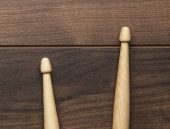
What’s great about drumming is that you can hone your skills without having access to an actual drum kit – something that doesn’t fly if you’re a violinist, trumpeter or guitarist. In this blog, I’ll provide an overview of all of the drumming-without-a-drum-kit options out there, ranging from air drums, tabletop kits and practice pads to fruit crates, travel cajons and your own body.
-

In the world of live shows, the front-of-house sound engineer controls one of the key ingredients to a successful gig: the PA system. Since keeping an eye on the sound, the band and the crowd at the same time is no easy task, we interviewed one of the Netherlands’ best sound-techs to ask him how it’s done and what it takes.
Comments Off on Front-of-House Mixing: Here’s How a Sound Tech Does It | in: Live Sound -
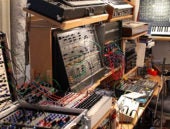
The first ever synthesizer was actually developed way back in 1876, but it wasn’t until the 1960s that this future-thinking instrument got its big commercial break. Now, it’s impossible to imagine pop music or, in fact, any genre without synthesizers. In this blog, we’ll flip through the history of what would become the grandmother of electronic music, the role it plays in modern bands and offer a few tips to help curious musicians learn the ropes.
Comments Off on The History of the Synthesizer: Plus Types & Tips | in: Keyboardist, Musician, Studio & Recording -

While a drum kit without cymbals can happen, you’re unlikely to actually come across one, and there’s a very good reason: treble. Without the cymbals, the low-pitched, mid and bass-heavy sound of any drum kit will start sounding colourless and bland within eight bars. The cymbals also play an essential role when it comes to communicating timing and transitions with the other band members. Here, we’ll take a brief look at drum kit cymbals so you can get to know what they sound like, what they’re for, and what you can do with them.
-
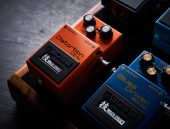
Boss pedals are probably the most popular in the game and are a piece of gear we’ve all had on our pedalboards at least at some point in our guitar journey. Their wide range of different effects, all in colorful cases, paired with the professional quality that characterizes the brand has earned them a deserved spot in guitar-head culture. In this article, Ramiro Somosierra from GearAficionado will tell you everything you need to know about the Waza Craft line, Boss’ take on boutique pedals.
-
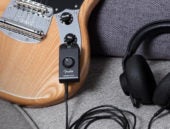
Of course, your best guitar sound can only happen with the aid of your favourite amp and a stack of pedals, but let’s face it: it’s not always necessary. Say you just want to practise some riffs or noodle around with some scales in your living room. Why would you need, or even want, to lug in a sofa-sized amplifier? Especially since there are so many super-compact solutions out there to help shrink down your rig and set you up with a neat rehearsal setup. Here, we take a look at seven of them.
-
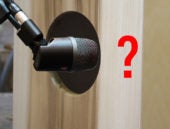
Back in the eighties, the first cajons started to appear in western pop music, causing an entire generation of sound engineers to scratch their heads in confusion. In the time since, plenty of proven methods have been developed to amplify and record the cajon, and here, we explain them all – so both sound engineers and percussionists can get the best out of this versatile beat-maker.
-
Having spent a year bombarded with news about the freshest music-making gear, how can any humble, hard-working musician possibly sort the wheat from the faff? Luckily, our specialists spend every day knee-deep in the newest gear, and have already done all the work for you. So stick the kettle on and get stuck into their Top 10 for 2022.
Comments Off on Gear of the Year 2022 – Musical Instruments | in: Musician -
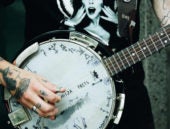
The banjo is as popular as ever. This timeless string instrument can brim with the energy of fast-paced punk and metal just as easily as it can grind out folk, country and bluegrass classics. Banjo player and former drummer Floris De Vries is happy to introduce us to the instrument and take us on a trip through the history, styles and various flavours of the banjo.
Comments Off on The Banjo: History, Models and Playing Styles | in: Musician -
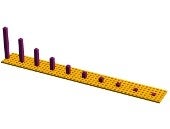
There are so many hardware and software-based effects that you might be wondering which ones are actually useful. To help laypersons in the world of music production and mixing make sense of it all, we’ve started a blog series on audio effects. Today, we’re taking a close look at the delay effect.
About Bax Music
Bax Music is your go-to online music store in the UK with more than 48,000 bits of gear and accessories in stock. More than 1,000 brands and a 26,000m2 warehouse packed with musical instruments, DJ and studio gear, headphones, speakers and lighting. Ordered before 10 PM? Receive delivery in 2 - 4 business days.
Subjects
Sign up for the Bax Music Blog Update!
Just fill in your email address and we'll drop a fresh instalment of blogs in your mailbox every month so you never have to miss out again.