
Famous producers: Alan Parsons – the craftsman producer
Published on Friday 15 May 2026
Guest blogger Freek Roffel from Freaky Studio is writing this time – instead of about gear with knobs – about the man who has been behind the knobs for a very long time: the famous producer Alan Parsons. A studio pioneer who’s been active for 50 years and can still count himself among the very best in the world. How did that happen? Freek explains!
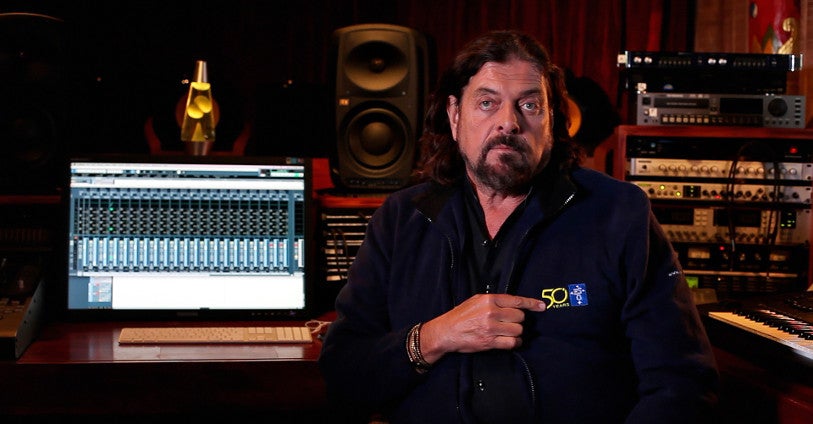
Making a name for himself
Few people have experienced as many interesting things professionally as the producer this blog is about. From home, Alan Parsons was introduced to many different sides of music early on. When he was nineteen, he landed a job at Abbey Road Studios in London. There, he worked on Beatles albums, and in 1972 he started working with Pink Floyd on The Dark Side of the Moon. Which just happens to be your guest blogger’s all-time favourite album! That masterpiece put Alan firmly on the map and meant he could keep working behind the desk for the rest of his career. But not quite: after finishing The Year of the Cat by Al Stewart, he felt like making music himself again—something he’d already done in bands before Abbey Road. Together with Eric Woolfson, he started The Alan Parsons Project, which sold millions of albums. In the 2000s, Mr Parsons focused a bit more on passing on his knowledge through masterclasses, publishing books and video productions, while continuing to produce and perform.
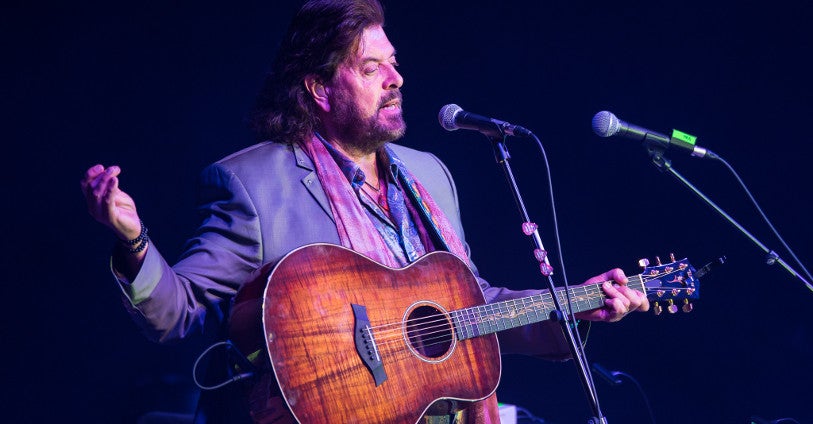
Let’s talk about me
What was Alan’s influence on my Freaky Studio? First of all, that Pink Floyd album; later, his own albums—and when I became interested in the craft of producing, I discovered he had delivered many more gems than I realised. Three years ago, he was at Frankfurt Musikmesse to promote his masterclasses, and I signed up. As I already hinted in the title: he’s a producer with real craftsmanship. That might sound a bit old-fashioned, but that’s how I see him. Besides the crystal-clear explanations he gives, he also brings plenty of humour—like interviewing people in the street with a toilet brush. Even though he has truly lived through every development since the very first days of multitrack recording (!), he’s still more than willing to travel the world, ask other producers and engineers how they work, and incorporate that into his teaching. A while back, he made The Raven that Refused to Sing with Steven Wilson (among others, Porcupine Tree)—an artist I’ve followed closely since the very beginning (the 90s)—which shows just how well he has moved with the times.
Games Alan Plays
All very nice, those stories—but what makes him so special? Basically, Alan Parsons has been at it since the Beatles, and he still manages to deliver great productions. On the one hand, because he lives up to the cliché: he’s a living studio legend. On the other hand, he has also made strong music of his own, and he still performs. His style is defined by a combination of technical excellence and acoustic instruments. He builds productions with an enormous sense of space and depth, sometimes with a bit of exotic influence, and an almost proverbial warmth. He experimented a lot with new gear time and time again, and had (chamber) orchestras and brass sections play parts on pop songs. That might not seem special nowadays, but it definitely was back then. He effortlessly combines the classic recording process with the latest technical developments. As a teacher, he shows you how to make good recordings with relatively simple means, while also demonstrating that something can sometimes cost a lot of money—but pay off too. He separates the useful from the useless when it comes to all sorts of “magic boxes”, and shows that there are many different ways to make a great production. On top of that, he’s a relatively down-to-earth bloke who has left his (in)audible mark on pop music without ever acting like a guru.
What’s your favourite Alan Parsons work, and why? Leave a comment below!



No comments yet...