
From tape recorder to DAW: the history of making music with a computer
Published on Monday 3 August 2026
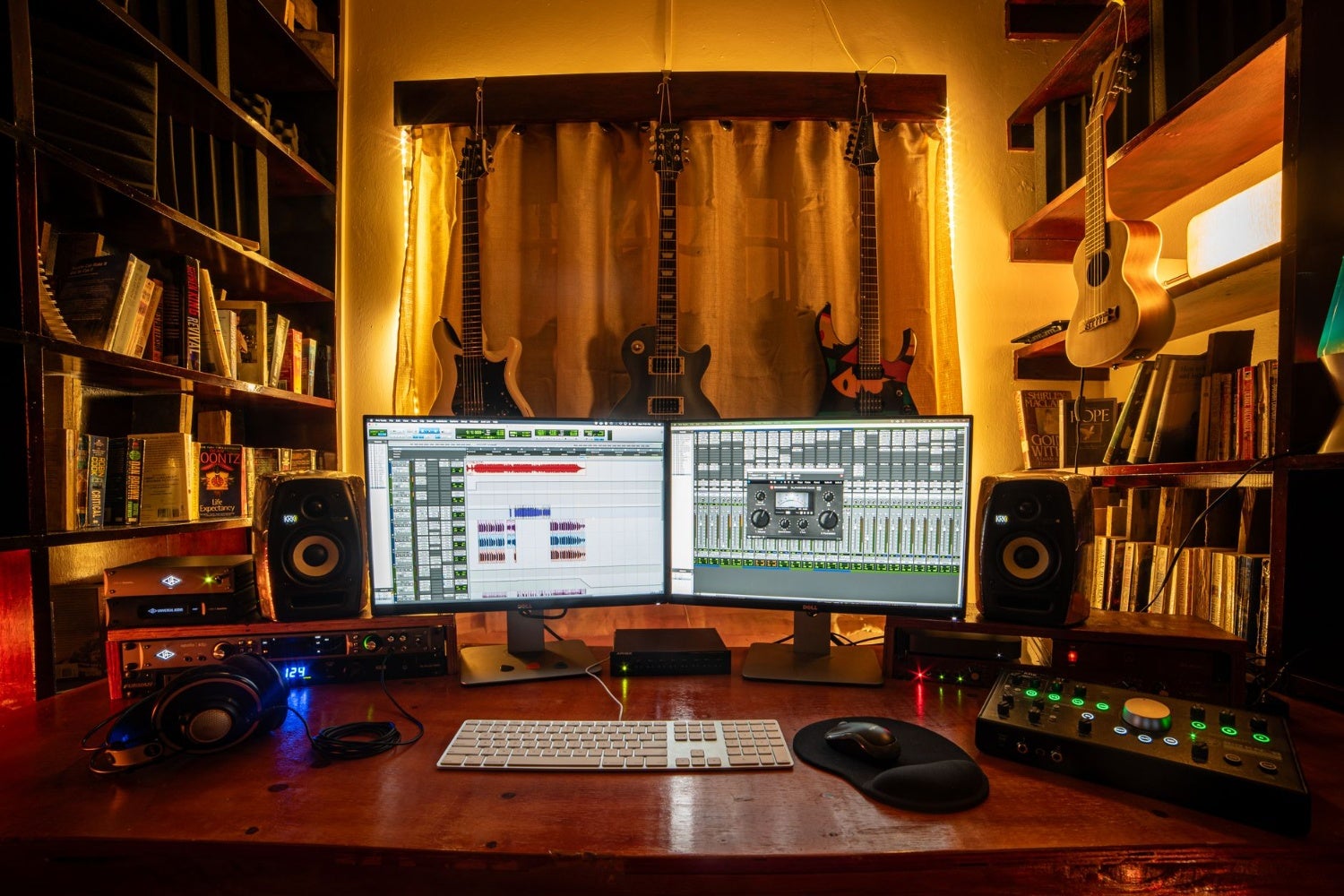
You open a laptop, click a button and start recording a track. That sounds like the most natural thing in the world, but behind that simple action lies fifty years of technological leaps. How did digital recording and MIDI come together in the device now sitting on your desk? This is the story of two developments that began separately and eventually became completely intertwined.
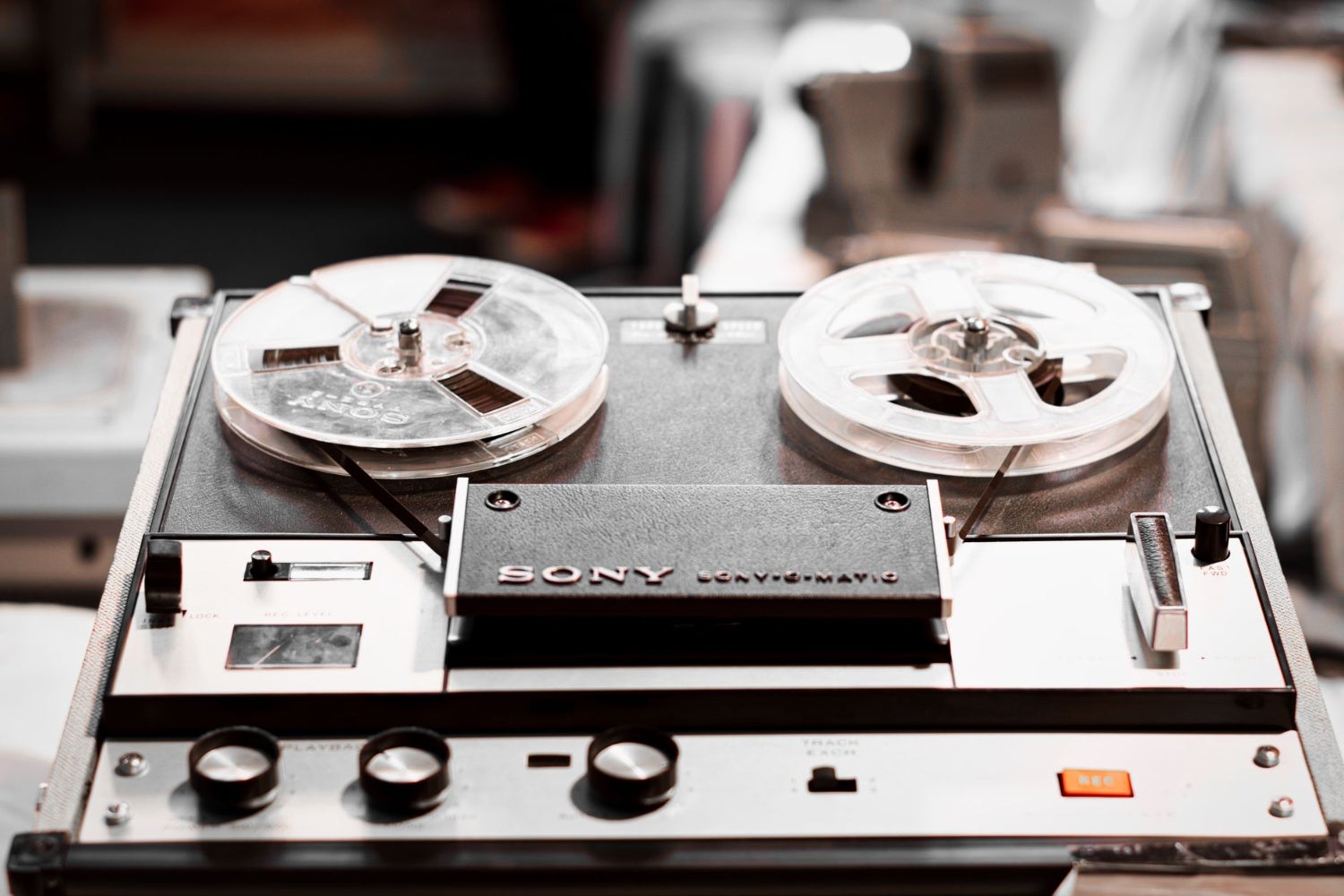
Analogue on tape: the world before digital
For decades, the tape recorder was the heart of every recording studio. Sound was captured as a physical imprint on magnetic tape, with reels sometimes racing through the machine at metres per second. The more tracks you wanted to record, the wider the tape needed to be — a 24-track recorder for large productions used tape a full 5 centimetres wide.
That tape was costly and fragile. Cutting, splicing and bouncing down were everyday but time-consuming tasks, and if you made a mistake, it was sometimes permanent. Sound quality also degraded further each time you recorded over the same tape. Big names like The Beatles, Jimi Hendrix and Pink Floyd achieved impressive results, but they always worked within the limits of what the tape and the budget allowed.
The first digital recordings: laboratories and record labels
The roots of digital audio lie not in the music world but in telephony. From the 1930s, telephone companies experimented with converting continuous sound signals into discrete digital pulses. That technique eventually made its way, via research laboratories, into the recording studio.
The real breakthrough for music came in the late 1970s, when Sony released the PCM-1600: a modified U-matic video recorder that could capture sound digitally onto video tape. This device was used for the first CD master tapes, around 1980. It sounded tighter and quieter than tape, and record companies were immediately interested — although at that stage the technology remained entirely reserved for large professional studios.
The first commercial digital recordings could already be heard on classical records in the 1970s. That digital recording sounded different from analogue was never in doubt — and whether that was better or worse was a debate producers and audiophile listeners had straight away. That debate has never really stopped.
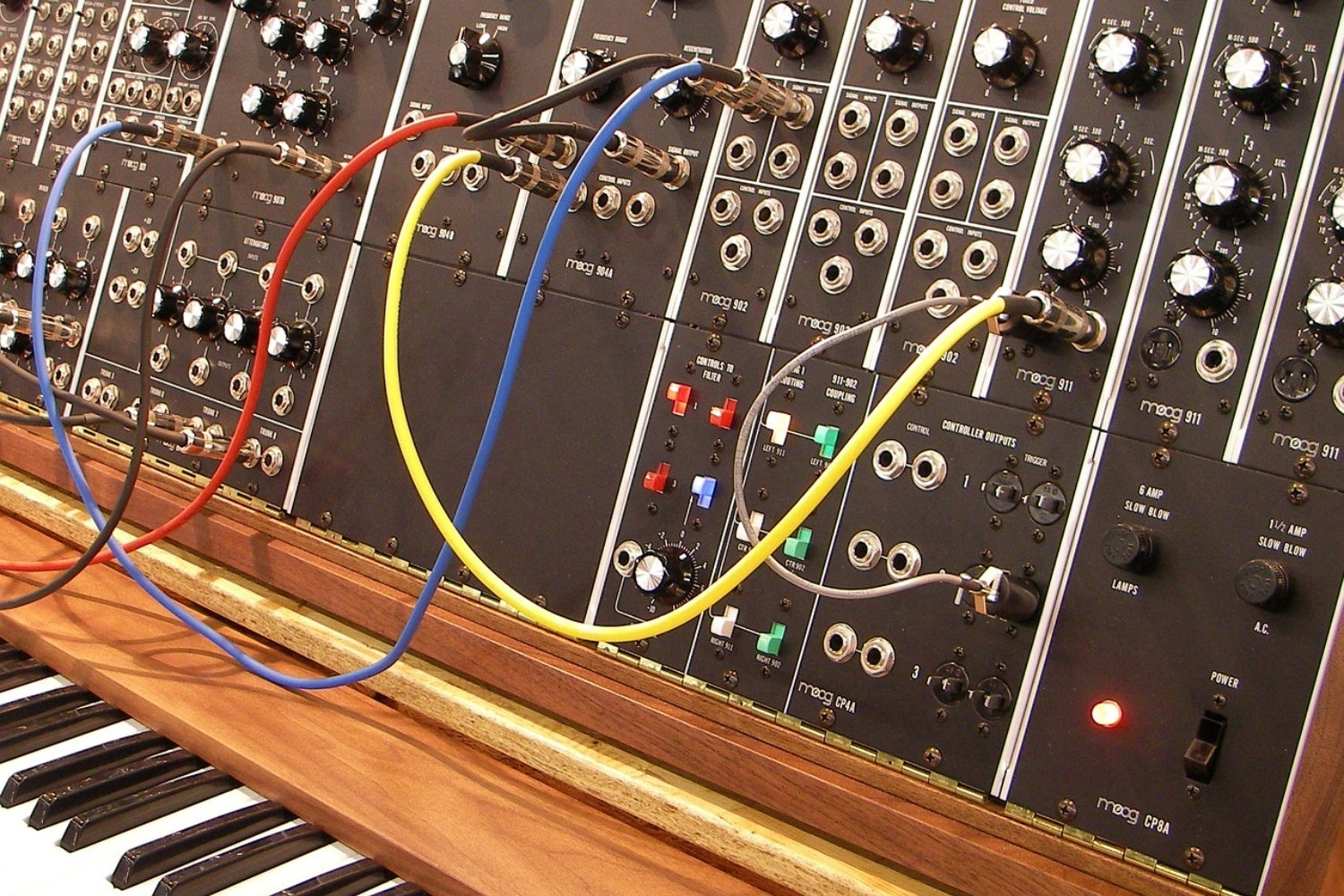
Synthesizers before MIDI: every island unto itself
While digital recording was still in its infancy, synthesizers had already found their way into music. In the early 1970s, Stevie Wonder worked closely with the builders of TONTO, a colossal synthesizer that filled an entire studio floor. On albums like Music of My Mind (1972) and Talking Book, he used this machine to create sounds no one had ever heard before: thick basslines, strange textures, sounds that didn’t imitate real instruments but were something entirely new. Still completely analogue, by the way, not digital.
Every device spoke its own language, and that was the big problem. A Moog synthesizer couldn’t talk to a Roland drum machine. If you wanted two devices to play together, you had to connect them with CV/gate cables — and even then, that only worked if manufacturers happened to use the same standard, which was far from always the case. Every studio was an island.
MIDI: one language for all devices
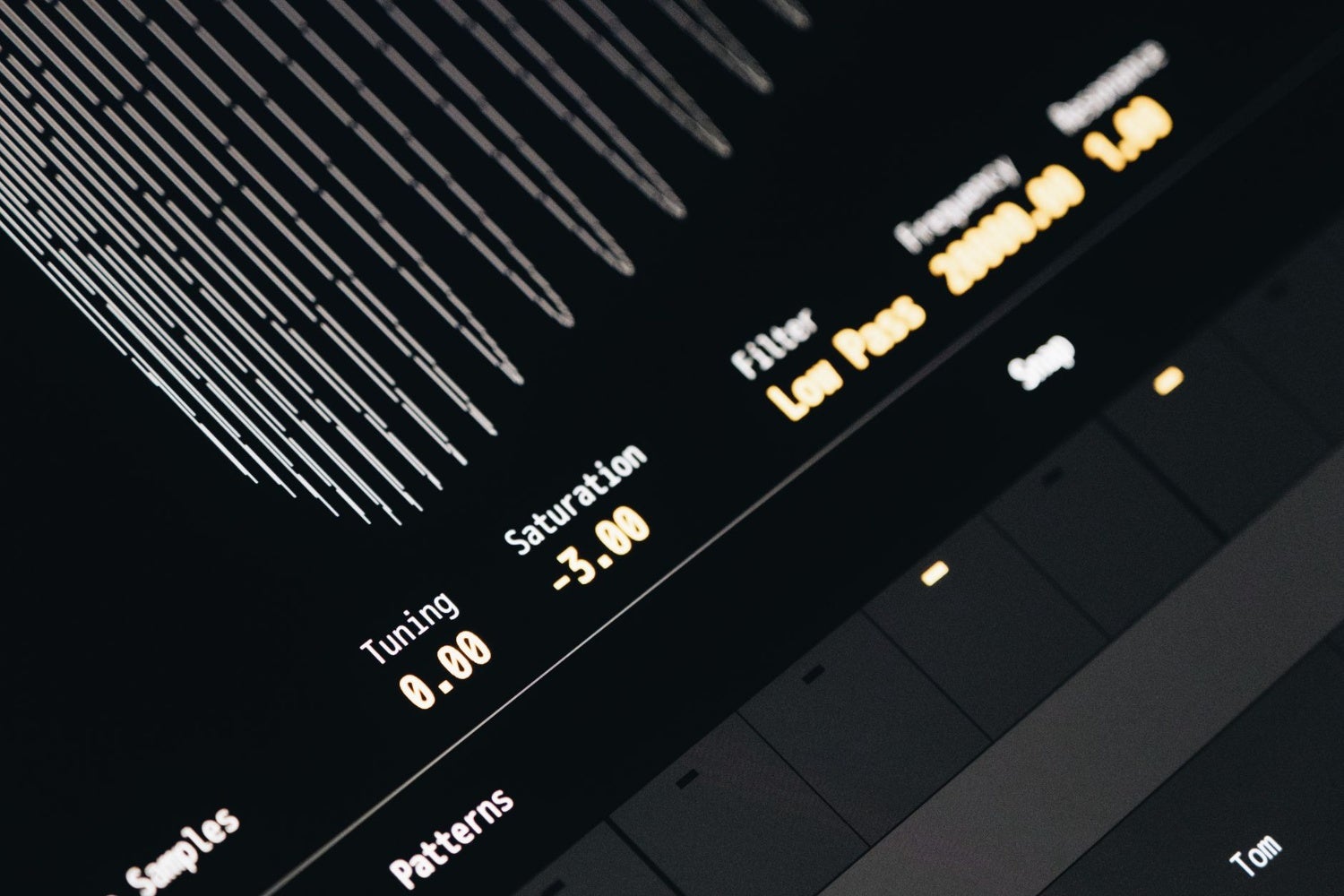
In 1983, a single agreement changed the entire music world. Dave Smith of Sequential Circuits and Ikutaro Kakehashi of Roland put together a communication protocol on paper that they called MIDI: Musical Instrument Digital Interface. This protocol described how electronic musical instruments could exchange information with one another, regardless of manufacturer.
MIDI didn’t transmit sound but instructions: which note, how loud, when to release. You could now control a Yamaha DX7 from a Roland sequencer, or sync a drum machine perfectly with a synthesizer from a completely different brand. Thanks to the distinctive round 5-pin DIN connector, now also known as the classic “MIDI plug”, the same connection appeared on almost all new devices at once.
As early as 1983, Smith and Kakehashi demonstrated live at the NAMM show that two synthesizers from different brands could communicate with each other. Producers immediately grasped the possibilities: a single sequencer could control an entire arsenal of devices. That paved the way for production methods that would go on to completely define 1980s pop music.
» What’s the best MIDI cable or MIDI interface for me?
Samplers and sequencers: the computer as musician
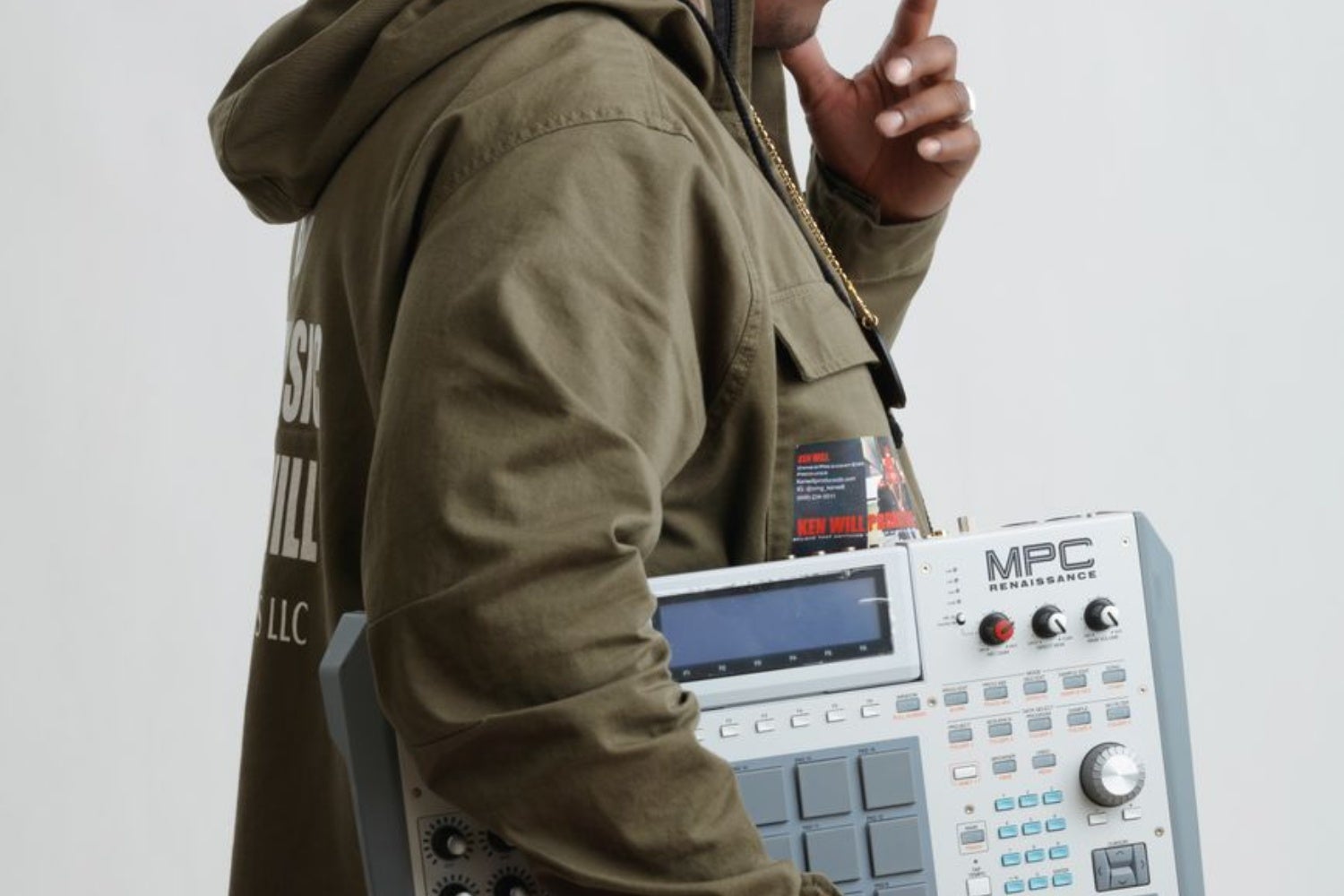
With MIDI as a common language, the possibilities for combining devices exploded. The sampler made its entrance — devices like the Akai MPC60 and the E-mu SP-1200 allowed producers to record sounds and trigger them via MIDI at exactly the right moment. You no longer needed a drummer to lay down a drum pattern; you simply chose a few good-sounding samples and programmed the rhythm yourself.
Producers like J Dilla and the early Dr. Dre built entire tracks from individual samples, with the MPC as the centrepiece. Hip-hop and dance were the genres that pushed this furthest, but pop producers, too, soon discovered that a sampler and a sequencer were all you needed to build a complete track without playing a single live instrument.
The DAW: a studio on a hard drive
In the early 1990s, the first computer-based Digital Audio Workstations came onto the market. Digidesign (later Pro Tools) was one of the early pioneers: in 1991, Pro Tools was released as a system that let you record and edit audio on a hard drive instead of on tape. That was a huge step.
Where tape tied you to a linear timeline, on a computer you could move, cut, copy and paste sound fragments without damaging a single bit. Think of the difference between writing with a pen on paper and working in a word processor: you can still adjust, move or undo everything afterwards. This non-destructive way of working changed how producers thought about the recording process itself.
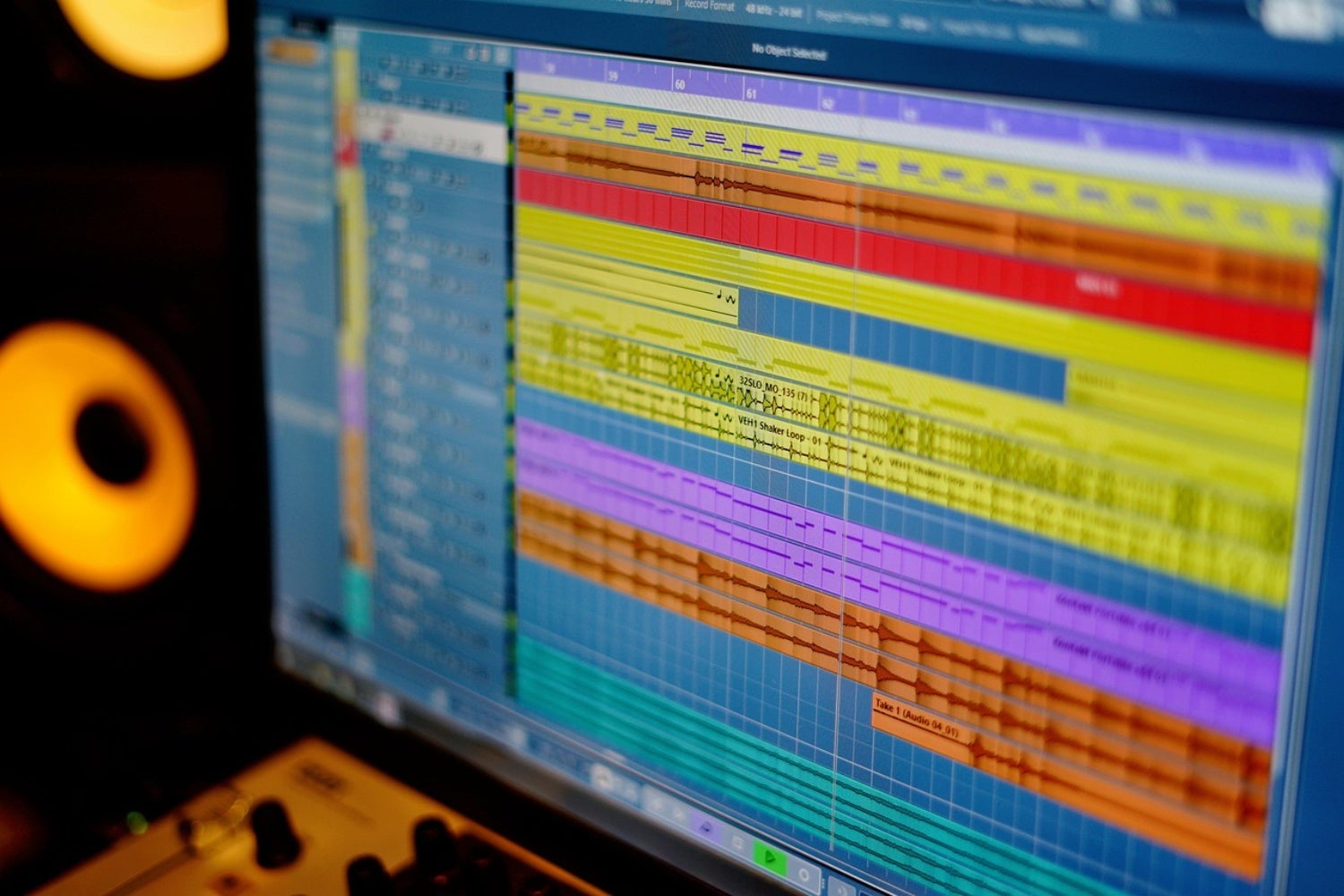
MIDI and audio came together in this software within a single environment. You saw your notes as blocks on a grid, you could place audio recordings alongside MIDI tracks, and you mixed everything on screen. Other early DAWs like Cubase and Logic (at the time still owned by Emagic, later acquired by Apple) followed quickly and conquered studios worldwide. The big mixing consoles and racks full of hardware slowly began to shrink.
Home recording gets serious: the audio interface
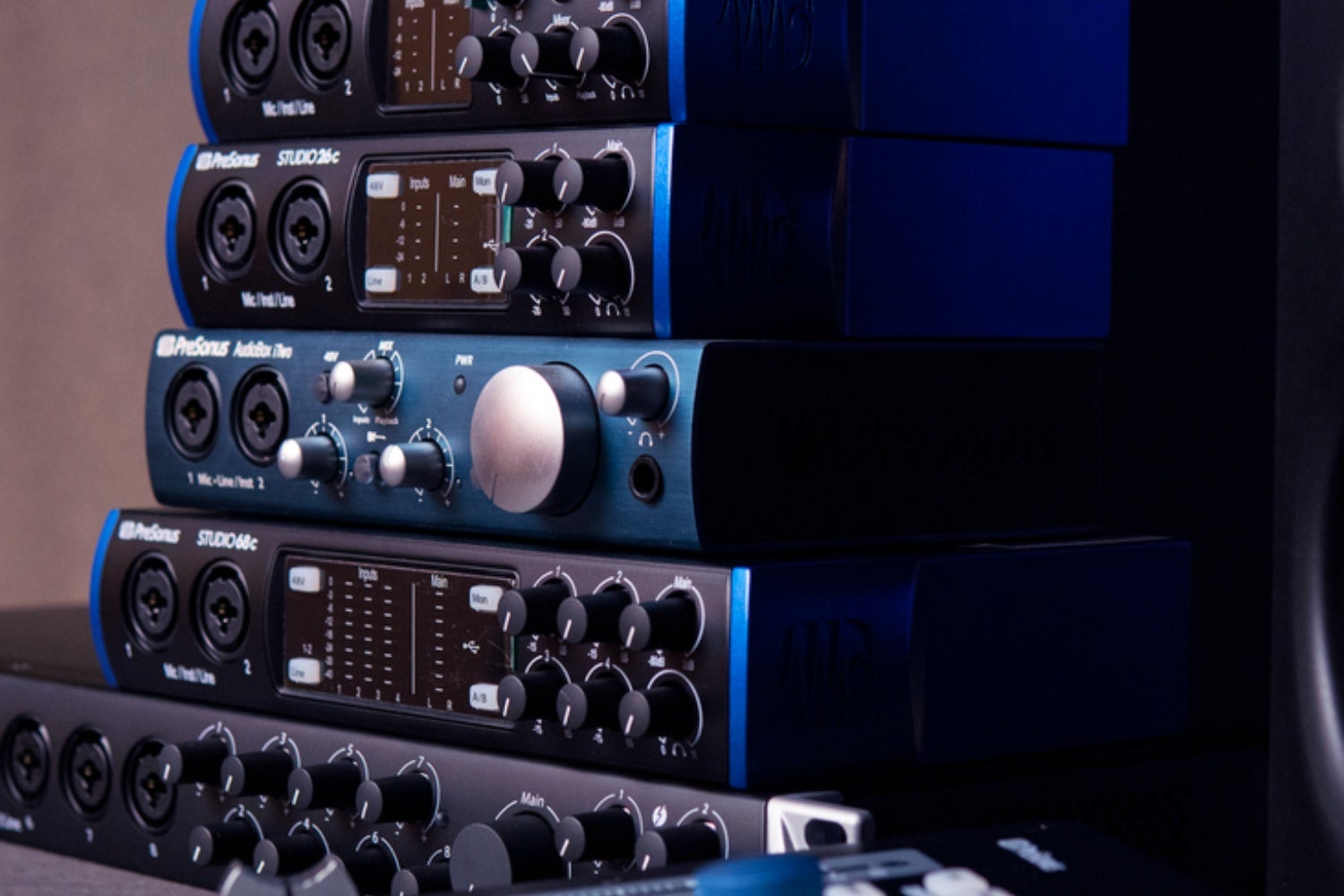
By the mid-1990s, professional digital recording was still expensive. A Pro Tools system with the accompanying hardware cost the equivalent of many months’ salary. But computers grew faster, hard drives bigger, and prices fell. Around 2000, the first affordable audio interfaces appeared: small boxes you connected to your computer via USB or FireWire, letting you record a microphone or guitar directly into your DAW.
The Digidesign Mbox, released in 2002, was the starting point for many home producers: a compact interface with two inputs that came bundled with a simplified version of Pro Tools LE. For the first time, a serious recording setup could fit into a student bedroom. Artists like Bon Iver recorded groundbreaking albums in self-built home studios, and it sounded good enough to release on major labels.
» Audio interfaces
» What’s the best audio interface for me?
The modern workflow: MIDI without you even noticing
Nowadays, you open Ableton Live, Logic Pro or FL Studio and drag a virtual instrument onto a track. You press a key on your MIDI keyboard and the software recreates a grand piano, a string orchestra or a synthesizer — using samples or real-time generated audio. Behind the scenes, everything still speaks MIDI, but you don’t see any of it: it simply works.
Plug-ins like Kontakt by Native Instruments contain complete libraries of recorded instruments, from a Steinway grand piano to a gamelan orchestra. Producers like Billie Eilish (with her brother Finneas) recorded their debut album in a bedroom with an audio interface, a laptop and a handful of plug-ins. The gap between a home production and a studio album is smaller than ever — not because professional studios have become less good, but because the tools at home have improved so dramatically.
MIDI 2.0, announced in 2019, adds even more expressiveness: greater resolution for velocity and modulation, and two-way communication between devices. But for most users, that technical layer keeps fading further into the background. The toolkit has become so complete that you no longer need to understand it to use it — you simply choose what you need and get started.
» View all DAW software
» What’s the best DAW for beginners?
 Playing Keys in a Band: What You Need to Know
 Want to turn LPs into MP3s? Here’s How to Digitise Your Vinyl
 The Hammond Organ: A Classic
 Setting Up the Band with a PA System? Here’s What You Need to Know
 Studio Engineer in-Training? Here’s What You Need to Know
 Everything You Need to Know About Making a Podcast
No comments yet...