
Musician
-

In classical music, violins take pride of place. But the violin has also found its way into pop music, and in styles such as folk rock it’s practically indispensable. How do you play this bowed instrument, and how difficult is it? And what should you watch out for if you want to combine violin and pop? A closer look at a legendary instrument!
No responses | in: Musician -
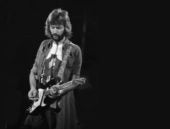
In this blog, we dive into the story behind one of the most iconic guitars in the world: Eric Clapton’s Blackie. Although the nickname is derived from the black body, the rest of this Fender Stratocaster is hard to describe. Blackie is a ‘partscaster’, or in Slowhand’s words: a “mongrel”.
-

Is it time to bring in an image consultant? Or do you not need one as a musician? One thing is certain: a meal in a restaurant can taste amazing, but if the presentation isn’t appealing, it feels less appetising. The same goes for musicians and bands. Image and identity matter. It’s an extra form of expression, adds a new dimension to your band and your music, and above all, it makes you recognisable.
-

The ukulele (spelled ‘ukulele’ in English) is a small, four-string musical instrument fitted with nylon strings. You’ll recognise it by its bright, cheerful sound. Most of the time, you play chords on it—and those are relatively easy to learn thanks to the ukulele’s compact size and the small number of strings. Originally, you’d mainly come across ukuleles in folk music, but these days they also regularly show up in pop bands and as an accompaniment instrument for singers. In this article, you’ll read about ukulele history, tuning, types and much more.
No responses | in: Musician -

In this blog, we’re not answering the question “what is a Les Paul?”, but who was Les Paul? Guitarist and inventor Les Paul (1915 – 2009) made an important contribution to the development of the electric guitar (the famous Gibson Les Paul) and to popular music, both musically and technically.
-

Diction, pronunciation and articulation are often overlooked topics in the singing world. But that doesn’t make them any less important. In fact, they’re the foundation of good singing and a strong performance. Here’s how that works!
-

The wind controller, or wind synth, is a synthesiser for wind players who want to pluck, hammer and bow. Saxophonist Louis Gerrits knows all about it. There’s always work for the wind controller, he says. Mind you, the real controller isn’t the instrument, but the player.
No responses | in: Musician -

Experiencing and conveying the lyrics is essential for a strong vocal performance. The basic principles are fairly quick to explain, but in practice it can be very labour-intensive. You can also look at lyric delivery in a broader context—think performance and the way you, as a singer, position yourself in ‘artistic life’. Singer Ellen Evers has a very clear vision on that.
-
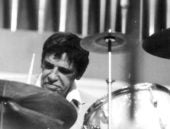
Buddy Rich (1917-1987) is regarded by many as the greatest drummer of all time. Either way, he’s a true drum legend and is often seen as one of the key pioneers of technical drumming. Buddy’s roots are in jazz, but his drum techniques have made their way into every genre.
-

Managers: are they even still a thing in the music industry? And what exactly is their role? But just as important: what is the artist’s role? A lot of artists and bands don’t know when the right time is to start working with a manager. Usually, they still need to practise much harder and gig more often before it makes sense to bring in management. On top of that, musicians often jump in far too quickly when they’re approached. Manager and lecturer Martijn Crama shares his advice!
-
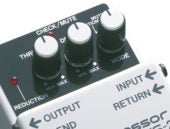
Noise gate pedals are especially popular with metal guitarists. A noise gate is really handy for removing that typical buzz, unwanted noise and other background sounds from your signal chain, while still playing with high gain. Guest blogger Alexousky explains exactly what a noise gate does and how to set one up.
-
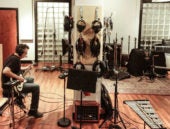
Guest blogger and multi-instrumentalist Nigel Hubée explains (following on from his previous blog about the setup of his studio) how a musician can prepare for a successful recording session—whether that’s in their own studio or someone else’s. He covers both physical and psychological aspects. These are inextricably linked and play a major role in the end result. Nigel hopes that thinking through the tips below will lead to better musical performances and help you avoid unpleasant surprises!