
Drummer
-

“I want to be a drummer!” This is one of those moments when you’re unable to look at your kid just in case they spot the panic in your eyes. While the alarm bells ring, you let out the internal scream… ‘WHHHHYYYYYEEEE??! What’s wrong with being a pianist or a guitarist? What about the triangle?’
-
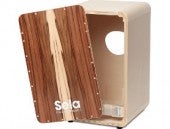
A humble percussion instrument, at first glance, you don’t need much to make a cajon sound good. That said, there are plenty of tricks you can use to get even more out of your cajon. Maybe you want to expand the percussive range with some add-ons and set yourself up with a broader dynamic array and sound that’s unique to you? In this blog, we serve up five short-cuts to your own signature cajon sound.
-
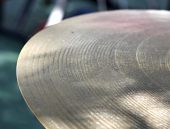
By simply adding the right cymbals, any drum kit will sound entirely unique compared to other kits, and that’s exactly why drummers spend quite a bit of time and effort finding the perfect set of cymbals. The fact is that at some point, just like us mortals, cymbals will one day reach the end of their life. In this crash course on cymbal maintenance, I’ll let you in on a few secrets and show you how you can delay the inevitable.
-

Whether caused by a bad habit or a passionate performance, the injuries related to being a musician can range from a gradually niggling and continuous beep in one ear, to chronic and unbearable wrist pain. If you want to play comfortably for the rest of your life, then it’s more than worth learning to listen to your body, practise some good-old self care, and avoid long-term injury, hearing damage, and dreaded RSI!
-

If you’ve already read our Drumhead Buyer’s Guide and you’re ready to learn more, this article is the logical next step since I’ll be covering drumheads and the various ways in which these help to shape the sound of a drum kit. While it all boils down to simply trying different things, the info in this blog is essential reading for creating your own signature drum sound.
-

If you want to dampen your drums, this can mean one of two things: 1) you want your drums to sound as quiet as possible so you can practise at home without incurring the wrath of the neighbours, or 2) you just want to reduce the natural sustain and resonance of your drum kit to get a more focussed sound. Of course, there’s plenty of gear you can buy to help solve either problem, but there are also plenty of much cheaper tricks you could try using nothing but stuff you can find lying around the house.
-
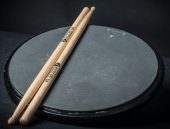
Even if you’ve been drumming for a while, there’s a chance you’ve never thought about the way you hold your drumsticks. Since there are a few rules of thumb that can actually help you hone your skills, we’ve compiled a humble list of stick-based tips and tricks for you in this blog.
-
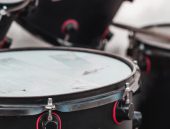
If you’re a drummer, then there’s at least one drum that you can never do without: the snare. While you might be familiar with the array of different percussive sounds you can get out of a snare, if you’re a beginner, you might not necessarily know how to access all of them. Even a small adjustment in your playing can make a snare drum sound completely different, and here, I’ll offer up some essential tips that will help you get to know your snare a little better.
-

Granted, the ideal drum kit set-up is highly personal. But that doesn’t mean there aren’t a few guidelines that you need to follow. To help you find a comfortable, practical and most of all style-matching set-up, I’m going to show you a couple of different takes on the standard drum kit configuration!
-
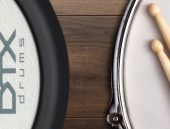
If you’ve already decided that you want to start drumming, the next logical step is to get yourself a drum kit. Faced with what might be one of the most important decisions you’ll ever make, what do you go for? An acoustic drum kit or an electronic drum kit? electronic kits sound way better than they used to, but you can’t go wrong with an acoustic kit, right? In this blog, we’ll go over all of the pros and cons to help you get a better idea of what might work best for you.
-

Throwing in solid drum fills can be pretty difficult for beginners. Some go too fast while others over-complicate things – two habits that are hard to kick without the help of a drum teacher. In addition, not being able to time your fills right can be extremely frustrating, whether you’re rehearsing or just jamming, and not just for you, but for any musicians you’re playing with as well as anyone listening. So, in this blog, I’m going to teach you various simple drum fills and show you some very useful tips!
-

If you’ve already made it this far, then you’re probably already the proud owner of your very own cajon. You’ve seen or heard a cajon afficionado spitting beats and thought, “I can do that!” But now that you’re sitting astride your brand new percussion box, it’s already looking a little more complication than you first thought. Not to worry! Everyone starts somewhere, and since you’re here, this is where you’re going to start! In this friendly little blog, we’ll guide you through three awesome cajon beats that you can use as a foundation to expand your cajon-based skills. No theoretical knoweldge or the ability to read music required!