
Studio & Recording
-
Mixing is a lot like baking. Just throwing stuff into a bowl and hoping for the best will never give you the best results. In this blog, we seek to explain what a mix bus actually is and how you can best prepare your instrument groups before sending them all through the master bus of your mixer or DAW. In other words: we explain how to bring structure to audio mixing.
Comments Off on Mixing with the Mix Bus | in: Studio & Recording -

You already know the feeling: you stay up into the wee hours of the morning working on what feels like the best thing you’ve ever made then get up the next day to find that your carefully crafted mix actually sounds like a complete shambles. Or you’ve put those finishing touches on the final mix and stuck it on the car on the way home, only to be greeted by a sonic horrorshow that sounds dead and lifeless. Here, Guestblogger Melvin Rijlaarsdam lists the most common mistakes you can make during the mixing process so you can avoid them all and get the best results.
-
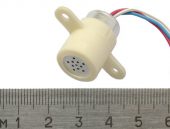
If you’ve been flipping through our range of microphones, you’ve probably come across the terms ‘electret’ and ‘true condenser’. But what’s the difference? And are ‘real’ condenser microphones always better than electret microphones, like the name suggests? In this blog, we’ll explain it all.
-
If you’ve just started producing music, then you’ve probably already heard of them: plugins. But what are they, how do you use them and what can you use them for? In this blog, we explain what DAW plugins are what you can do with them.
1 response | in: Studio & Recording -

The first ever synthesizer was actually developed way back in 1876, but it wasn’t until the 1960s that this future-thinking instrument got its big commercial break. Now, it’s impossible to imagine pop music or, in fact, any genre without synthesizers. In this blog, we’ll flip through the history of what would become the grandmother of electronic music, the role it plays in modern bands and offer a few tips to help curious musicians learn the ropes.
Comments Off on The History of the Synthesizer: Plus Types & Tips | in: Keyboardist, Musician, Studio & Recording -

Back in the eighties, the first cajons started to appear in western pop music, causing an entire generation of sound engineers to scratch their heads in confusion. In the time since, plenty of proven methods have been developed to amplify and record the cajon, and here, we explain them all – so both sound engineers and percussionists can get the best out of this versatile beat-maker.
-

There are so many hardware and software-based effects that you might be wondering which ones are actually useful. To help laypersons in the world of music production and mixing make sense of it all, we’ve started a blog series on audio effects. Today, we’re taking a close look at the delay effect.
-

Here, you’ll learn how to digitise and edit your record collection, and commit those rare cuts to MP3s that can be slapped on your phone and taken for a walk. First, we’ll show you how to connect a turntable to a Windows or Mac computer (and it won’t matter if you’ve got a normal turntable or a USB turntable). Then we’ll start recording and converting the warm sound of your vinyl into a digital file, before doing a little bit of editing and polishing and saving it as a track-by-track MP3, WAV, or Flac album.
Comments Off on Want to turn LPs into MP3s? Here’s How to Digitise Your Vinyl | in: Studio & Recording -

Thanks to social media, it’s never been easier for bands to reach a huge audience by dropping studio-polished tracks on online platforms. That said, sounding good in the studio is one thing – sounding just as good or even better on stage is another. Stunning live performances are exactly what sets good bands apart from the rest, which raises the question: how do you make the perfect live recording of a gig? Well, read on and learn!
-

If you want to make a living from music – partly or entirely – then it’s worth having a good think about where exactly the money is going to come from. Almost every professional musician and music-maker has multiple sources of income, which in business-speak is referred to as a ‘revenue model’. To help you build yours, Guestblogger, Maaike lines up ten possible money-making options for your consideration.
Comments Off on Ten Ways to Make Money from Music | in: DJ, Guest Blogs, Marketing & Business, Musician, Songwriting & Composing, Studio & Recording -

Queen was, and still is, a unique phenomenon in the world of rock. So, if you want to sound like Queen, then you have to sound just as unique, right? Which, if you put it that way, sort of implies that you shouldn’t sound like Queen at all. But in all seriousness, there’s something deeply satisfying, inspiring, and not to mention educational, about nailing the music of the band that you consider to be the best band in the world. In this blog, we take a deep dive into the remarkable sound that Freddie Mercury, Brian May, Roger Taylor, and John Deacon managed to weave with such grace and have a look at exactly what made Queen Queen.
Comments Off on How to Sound Like… Queen! | in: Musician, Songwriting & Composing, Studio & Recording -

If you are ready to produce a large body of work, you may be wondering how to make an album sound cohesive and consistent, while still engaging the listener throughout. There’s more to it than simply using repetitive production techniques throughout your album. Our guest blogger, music producer and songwriter, De Ana, explains further, starting at the source…