
-

The wind controller, or wind synth, is a synthesiser for wind players who want to pluck, hammer and bow. Saxophonist Louis Gerrits knows all about it. There’s always work for the wind controller, he says. Mind you, the real controller isn’t the instrument, but the player.
No responses | in: Musician -

Experiencing and conveying the lyrics is essential for a strong vocal performance. The basic principles are fairly quick to explain, but in practice it can be very labour-intensive. You can also look at lyric delivery in a broader context—think performance and the way you, as a singer, position yourself in ‘artistic life’. Singer Ellen Evers has a very clear vision on that.
-
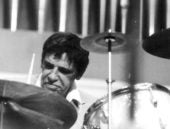
Buddy Rich (1917-1987) is regarded by many as the greatest drummer of all time. Either way, he’s a true drum legend and is often seen as one of the key pioneers of technical drumming. Buddy’s roots are in jazz, but his drum techniques have made their way into every genre.
-

Managers: are they even still a thing in the music industry? And what exactly is their role? But just as important: what is the artist’s role? A lot of artists and bands don’t know when the right time is to start working with a manager. Usually, they still need to practise much harder and gig more often before it makes sense to bring in management. On top of that, musicians often jump in far too quickly when they’re approached. Manager and lecturer Martijn Crama shares his advice!
-

Silent Night is one of the oldest Christmas hits that still blasts out of the speakers in many homes during the festive season. Fun fact: the song was written by a young Austrian priest, Joseph Mohr, who first performed it on guitar in December 1818 at St Nicholas Church in Oberndorf. With just three chords, Silent Night is a doddle to learn on guitar. Guest blogger Teo from Chordify explains how!
-
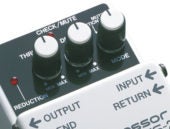
Noise gate pedals are especially popular with metal guitarists. A noise gate is really handy for removing that typical buzz, unwanted noise and other background sounds from your signal chain, while still playing with high gain. Guest blogger Alexousky explains exactly what a noise gate does and how to set one up.
-

Imagine this: you’ve got some time on your hands, you’ve got some materials and tools lying around, it’s absolutely chucking it down, and you’ve got a little workshop where you can get stuck in. Then suddenly you think: “I’m going to build my own speakers!” We’ll help you get started.
No responses | in: Live Sound -

Forget the image of the traditional songwriter, who builds a song from scratch and – with or without a co-writer – delivers the full package of vocal line, accompaniment and lyrics. In the vast majority of industrial music productions today, especially in pop, hip hop, EDM and commercials, an important role is reserved for ‘topliners’. Guest blogger Peter van Vleuten from the Songwriterschool explains what topliners do and what they need to be able to do.
-

Playing on This Morning, in the BBC Radio 1 studio, or as the support act for a well-known artist? As an ambitious artist, you’d never say no to that. But sometimes you actually should, advises guest blogger Jim Kreeftenberg, aka De Muziekindustriecoach. Because your gig might unintentionally attract the ‘wrong’ audience. With these six questions, you’ll work out who your target audience is and how to reach that ideal fan.
-

As long as musical instruments have existed, sound has been used to influence our state of mind. Guest blogger Viënna explains how she uses sound herself in her Sharana practice. Her clients report a wide range of remarkable effects.
-

The music you hear on television sounds so good because it’s been carefully recorded and mixed. While you enjoy the beautiful sound, a lot of work is happening behind the scenes to translate that audio as well as possible to different sound systems. Who makes sure a concert sounds its best on your system at home? One of the people responsible is the broadcast audio engineer. In this blog, we take a look behind the scenes with an experienced audio engineer, as he guides us through his fascinating work.
-

You’ve decided to learn a big, low-sounding bowed string instrument and you’re torn between the cello and the double bass. Both instruments are so large that you need to place them on the floor to play. And with both, you can feel those deep notes resonating through your body. But… they’re used differently. Read on and listen.
No responses | in: Musician
About Bax Music
Bax Music is your go-to online music store in the UK with more than 48,000 bits of gear and accessories in stock. More than 1,000 brands and a 26,000m2 warehouse packed with musical instruments, DJ and studio gear, headphones, speakers and lighting. Ordered before 10 PM? Receive delivery in 2 - 4 business days.
Subjects
Sign up for the Bax Music Blog Update!
Just fill in your email address and we'll drop a fresh instalment of blogs in your mailbox every month so you never have to miss out again.