
Studio & Recording
-

“Are you a walking microphone encyclopaedia and a cold-blooded problem solver? Do you know how to turn the most vague of ideas into something that sounds great? Then we’re looking for you!” This is easily what any job post for a studio engineer, sound engineer or audio engineer could read like. Want to know more about what’s involved in the mysterious craft of studio engineering? Want to know what the difference really is between a studio engineer and a producer? Read on!
Comments Off on Studio Engineer in-Training? Here’s What You Need to Know | in: Studio & Recording -
Want to get into pro-level recording? Then don’t get too hung up on picking out the right microphone, but pay attention to every step in the process.
Comments Off on Recording Pro-Grade Audio? Map Out The Signal Chain! | in: Microphones, Studio & Recording -

Maybe you’ve already had a look through our range of studio monitors and noticed that, while a lot of models look virtually identical, there can be a pretty big difference in price. The question is: is it actually worth saving up for a more expensive set of monitors? Especially when there are models that seem to have the same list of specifications but come at a cheaper price. Here, we separate the trees from the woods.
Comments Off on Budget Studio Monitors: Good Enough or Keep Saving? | in: Studio & Recording -
As music producers, we’re always striving to optimise our workflow to maximise our creativity and efficiency. In the world of DAWs, Ableton Live stands out as a powerhouse for music creation and performance. With its intuitive interface and robust features, it offers endless possibilities for crafting musical masterpieces. However, mastering the intricacies of Ableton Live’s workflow can take time. That’s why I’ve compiled a list of ten essential tips and tricks to supercharge your productivity in Ableton Live.
Comments Off on Discover 10 time-saving techniques in Ableton Live with Workflow Hacks | in: Guest Blogs, Studio & Recording -

While recording percussion instruments isn’t exactly rocket science, there are a few small pitfalls you need to be aware of if you want to end up with perfectly mixed sound instead of an ear-splitting racket. Read on to learn some tips and tricks!
Comments Off on Recording Shakers, Tambourines and Other Handheld Percussion | in: Drummer, Studio & Recording -
In the world of music production, it’s essential to work efficiently and come up with innovative ideas in the studio. Guest blogger Mike Rosa learned some hacks, tips, and tricks over time that have helped him save time and avoid unnecessary stress.
Comments Off on Discover 10 time-saving techniques in Bitwig Studio with Workflow Hacks | in: Guest Blogs, Studio & Recording -

With the release of the Yamaha Reface synthesizers, the Japan-based music-gear-makers bring back a stone-cold slice of music history. Here, we chart the origin-stories of these superheroes among synths.
-

Hans Zimmer is one of the most well-known film composers of our time. The Lion King, Gladiator and Pirates of the Caribbean are just three films that thank their extremely recognisable soundtracks to Zimmer who, believe it or not, actually tends to keep the core of his compositions very basic. In this article, I’ll show you how you can easily recognise Hans Zimmer’s style and apply it to your own productions or film score.
-
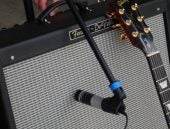
Re-amping is a studio recording technique that’s been picking up more and more speed. Compared to recording electric guitars, guitar amps, drums and other instruments the traditional way, re-amping offers a number of benefits which I’ll tell you all about by using guitarists, who re-amp the most out of all musicians, to illustrate the idea.
Comments Off on What’s Re-Amping and How Does It Work? | in: Guitarist, Musician, Studio & Recording -
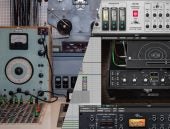
Compressors, equalizers, reverb effects, delays… for the weekend-producer as well as the serious home-studio owner, kitting yourself out with some real hardware units can prove pretty costly. The big question is whether or not the virtual audio plugins designed to emulate real hardware and that you can use from the comfort of your DAW, do just as professional a job. So how good are current plugins at modelling hardware and how does it actually work?
Comments Off on Modelling with Plugins: Just as Good as Hardware? | in: Studio & Recording -

Welcome to the world of music production, where time is of utmost importance. In this fast-paced environment, being efficient is crucial, and Studio One provides a variety of tools to help you optimize your productivity. Follow guest blogger Mike Rosa as he reveals ten time-saving methods that will take your music production workflow to the next level.
Comments Off on Discover 10 time-saving techniques in Presonus Studio One with Workflow Hacks | in: Guest Blogs, Studio & Recording -

While it isn’t the most obvious, live editing is actually one of the best ways to create music using Ableton Live, especially when it comes to genres where quick-switching is the name of the game, like drum-and-bass and other glitchy styles. Guest-blogger Hens Zimmerman is back to show you how to remix in real time via seven simple steps.