
Musician
-

In this blog, we’re not answering the question “what is a Les Paul?”, but who was Les Paul? Guitarist and inventor Les Paul (1915 – 2009) made an important contribution to the development of the electric guitar (the famous Gibson Les Paul) and to popular music, both musically and technically.
-

Diction, pronunciation and articulation are often overlooked topics in the singing world. But that doesn’t make them any less important. In fact, they’re the foundation of good singing and a strong performance. Here’s how that works!
-

The wind controller, or wind synth, is a synthesiser for wind players who want to pluck, hammer and bow. Saxophonist Louis Gerrits knows all about it. There’s always work for the wind controller, he says. Mind you, the real controller isn’t the instrument, but the player.
No responses | in: Musician -

Experiencing and conveying the lyrics is essential for a strong vocal performance. The basic principles are fairly quick to explain, but in practice it can be very labour-intensive. You can also look at lyric delivery in a broader context—think performance and the way you, as a singer, position yourself in ‘artistic life’. Singer Ellen Evers has a very clear vision on that.
-
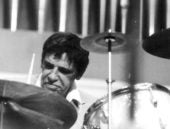
Buddy Rich (1917-1987) is regarded by many as the greatest drummer of all time. Either way, he’s a true drum legend and is often seen as one of the key pioneers of technical drumming. Buddy’s roots are in jazz, but his drum techniques have made their way into every genre.
-

Managers: are they even still a thing in the music industry? And what exactly is their role? But just as important: what is the artist’s role? A lot of artists and bands don’t know when the right time is to start working with a manager. Usually, they still need to practise much harder and gig more often before it makes sense to bring in management. On top of that, musicians often jump in far too quickly when they’re approached. Manager and lecturer Martijn Crama shares his advice!
-
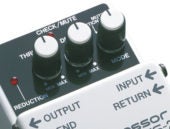
Noise gate pedals are especially popular with metal guitarists. A noise gate is really handy for removing that typical buzz, unwanted noise and other background sounds from your signal chain, while still playing with high gain. Guest blogger Alexousky explains exactly what a noise gate does and how to set one up.
-
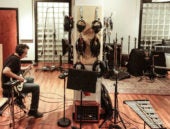
Guest blogger and multi-instrumentalist Nigel Hubée explains (following on from his previous blog about the setup of his studio) how a musician can prepare for a successful recording session—whether that’s in their own studio or someone else’s. He covers both physical and psychological aspects. These are inextricably linked and play a major role in the end result. Nigel hopes that thinking through the tips below will lead to better musical performances and help you avoid unpleasant surprises!
-

As long as musical instruments have existed, sound has been used to influence our state of mind. Guest blogger Viënna explains how she uses sound herself in her Sharana practice. Her clients report a wide range of remarkable effects.
-

You’ve decided to learn a big, low-sounding bowed string instrument and you’re torn between the cello and the double bass. Both instruments are so large that you need to place them on the floor to play. And with both, you can feel those deep notes resonating through your body. But… they’re used differently. Read on and listen.
No responses | in: Musician -
Don Vliet — does that ring a bell for anyone? Don Ván Vliet, perhaps? Captain Beefheart sounds a lot more familiar — and a good deal more magical. This singer, multi-instrumentalist, songwriter and painter was, with his Magic Band behind him, a legend throughout his entire career.
-

A melodica looks like a mini piano, but you have to blow into it to get any sound. It’s easy to take with you, simple to learn, yet versatile enough to earn a place in all sorts of styles — from reggae to jazz. Let’s take a closer look at this unusual instrument, where it came from, and how it’s used today.