
-

Balanced outputs on a DJ controller, such as XLR or 6.3 mm TRS jack, aren’t there to make your mix sound better. They’re there to keep interference and hum out on the way to the speakers. At home, with a short cable, you’ll barely notice the difference. On stage, you will.
No responses | in: DJ -

Large diaphragm or small diaphragm: it’s the first choice you face when you’re looking for a condenser microphone. The chunky ‘side-address mic’ and the ‘slim pencil’ work in the same way, but the size of the diaphragm determines what they’re good at. The large diaphragm captures quiet sources better and sounds a little fuller in the low end; the small one is better for sound arriving from the side and for stereo. That said, the difference is smaller than you might think.
-
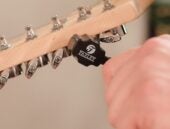
A string winder: is it a genuine tool, or just a toy for guitarists who can’t be bothered to turn the pegs? Honest answer: you can get by perfectly well without one. But it saves so much winding and costs so little that you’d be daft to leave it on the shelf. In short: is it a luxury? Yes. Unnecessary? No.
-

Allegro, adagio, forte, piano: anyone who has ever opened a recorder or piano book knows them. Musical terms are Italian, and they have been for centuries. Italy led the way in music history for long enough to turn its language into the language of music, and once a standard works, nobody is in a hurry to replace it. Even composers who tried using their own language couldn’t get rid of the Italian.
-

Marshall is arguably the best-known amplifier brand in the world, and that’s no coincidence. A drummer with a music shop listened carefully to what guitarists were missing, and the answer, more volume and a rawer edge, became the sound of rock. It started with a handful of prototypes built outside the shop and ended up as a wall of cabinets on every major stage.
-

An ordinary piano is really a grand that’s got out of bed. The grand piano came first, with its horizontal strings and action, and only much later did the upright piano, also known as a vertical piano, come along. So what are the differences? And is one better than the other? Read on to find out.
-

Gig bag or guitar case? Every guitarist faces that question at some point, usually the first time you head out the door with your instrument. A case offers better protection, while a bag is lighter and more practical. Which one you need mainly depends on where your guitar is going and what it goes through along the way.
-

A record collection deserves better than a pile in the corner of the living room. Storing LPs properly comes down to four things: keep them upright, away from heat and damp, in decent sleeves and in a cabinet that can take the weight. Get that sorted and you’ll never have to deal with warped records or mouldy sleeves. I learnt that the hard way myself.
-

Lots of audio interfaces and mixers have an input labelled Hi-Z, Inst or with a little guitar icon next to it. So what’s it for? In short: a Hi-Z input is designed for the high-impedance signal of an electric guitar or bass, so it comes through clear and bright when you plug straight in. Plug your guitar in anywhere else and you’ll hear the difference straight away.
-

Dreadnought or jumbo: if you’re looking for a large acoustic guitar, you’ll end up choosing between these two sooner or later. Both are big and loud, with a hefty helping of bass. Yet the choice is less tricky than it seems: the dreadnought is the versatile standard, while the jumbo is a size bigger still and asks more of your body. Your arms and your ears will decide together which one it’ll be.
-

Mic in hand and off you go. How hard can it be? Yet you can instantly hear the difference between a singer who understands their microphone and one who’s just holding it. Good microphone technique on stage comes down to two things: where you point the microphone and how close you are to it. Master those two and you’ll sound fuller, and feedback will get less of a look-in.
-

DMX is the language your lighting desk uses to talk to your lights. With this protocol, you can control lights and effects from different manufacturers from a single controller, which is why you’ll come across it sooner or later once you start working with lighting. If you understand how DMX works, you’ll build a light show faster and spend less time hunting for that one light that just won’t respond.
About Bax Music
Bax Music is your go-to online music store in the UK with more than 48,000 bits of gear and accessories in stock. More than 1,000 brands and a 26,000m2 warehouse packed with musical instruments, DJ and studio gear, headphones, speakers and lighting. Ordered before 10 PM? Receive delivery in 2 - 4 business days.
Subjects
Sign up for the Bax Music Blog Update!
Just fill in your email address and we'll drop a fresh instalment of blogs in your mailbox every month so you never have to miss out again.