
What’s the Best Saxophone for Me? |
|
Saxophones come in different types and sizes, each with a different pitch range, which can make picking out the right saxophone a bit challenging, especially if it’s your first. This buyer’s guide can help you make the right choice depending on your preferred features and skill level. If it doesn’t answer your questions, then feel free to reach out. 1. In Short
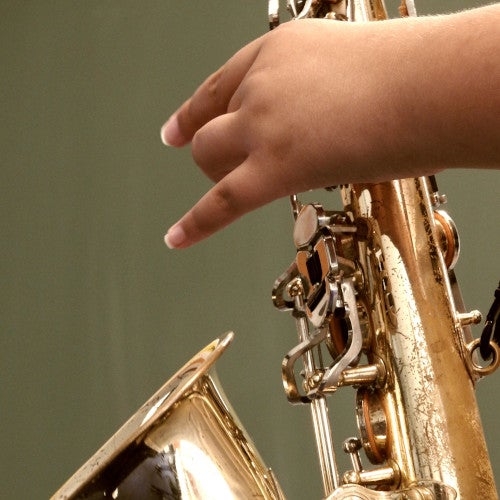
2. How Hard is Playing the Saxophone?It’s actually not that hard at all. The saxophone is one of the most accessible, beginner-friendly wind instruments and the fingering positions are the same no matter which saxophone you play. Also, overblowing (jumping to a higher pitch without changing the fingering) a saxophone is easier than overblowing a clarinet. After just a few months of regular practice, you’ll already be playing melodies.
3. What If I’ve Never Played Any Other Instrument Before?Saxophones make for a great first instrument. While people always used to say you’d be best off starting with the recorder, if you’re motivated and having fun, the saxophone can make a great first instrument.
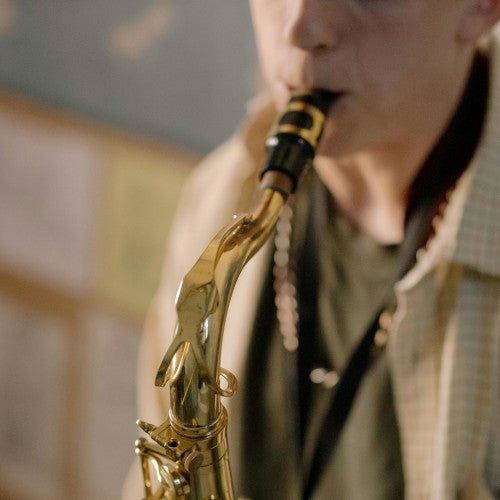
4. What Type of Saxophone Should I Get My Child?The best saxophone for kids is the alto saxophone since it’s not too heavy, not too big and not too hard to pull clean sound out of. Along with tenor saxophones, alto saxophones are often part of marching bands and wind ensembles, and are also a great choice for learners who love classical music since a lot of pieces have been written specifically for the alto sax. When they’re 8 or 9, most children are tall enough to be able to handle an alto saxophone. If you can, sit down with a saxophone teacher and pick out the right saxophone together.
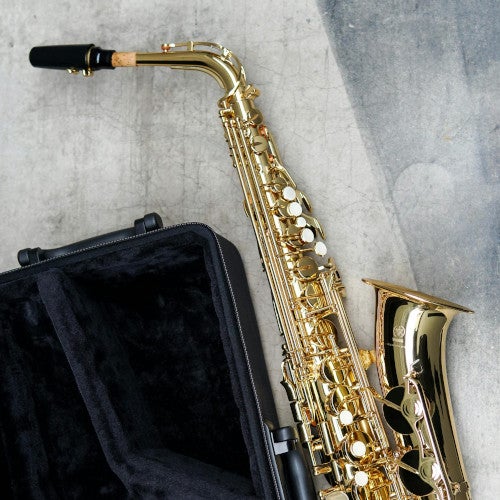
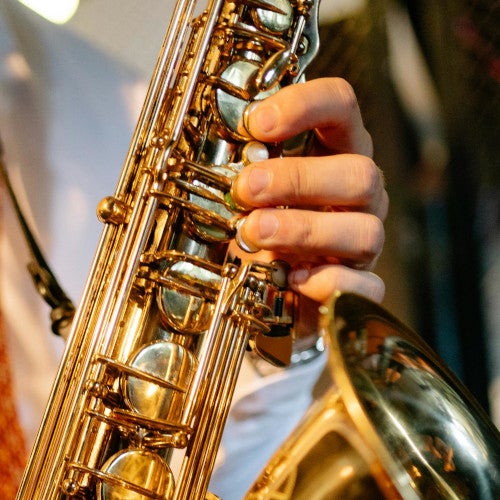
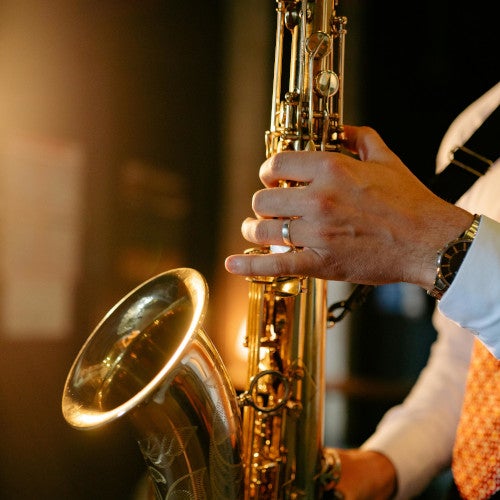
5. What’s the Best Saxophone for Early to Late Teens and Adult Beginners?Older students and adults can start out with an alto or tenor saxophone. Predominantly played in pop and jazz, the tenor saxophone is probably the most well-known model, and is loved for its deep, full sound and relatively big body. If you want to play the saxophone with soul and like to express yourself musically, then the tenor saxophone is just for you. The alto saxophone has a slightly different tuning, but other than that, it’s not too different from a tenor saxophone. The fingering positions are also exactly the same so if you can play one you can also play the other. The only difference is that when you play the same melody on both instruments, it’s going to sound higher-pitched on the alto saxophone. This is why there is separate sheet music for tenor and alto saxophones. » Alto Saxophones
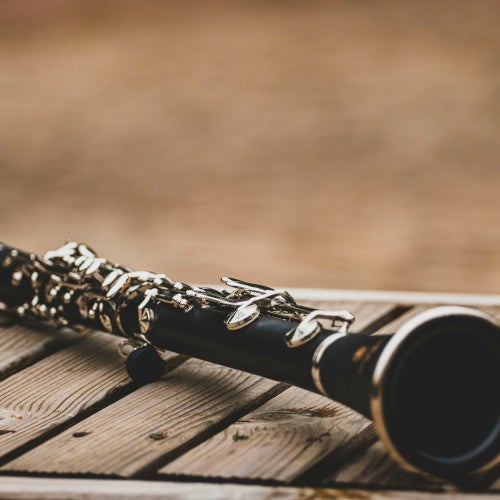
6. How Hard is Transitioning from the Clarinet to the Saxophone?Not very hard. In fact, the saxophone was invented by Adolphe Sax, who was a clarinet player himself and developed the saxophone while trying to improve the design of his bass clarinet. The big difference is that clarinets overblow at the twelfth interval rather than the octave, meaning that when you play the saxophone, you need to open a special key (the octave key) and tighten the muscles in your mouth in order to reach the highest notes. Since the fingering is the same whether you’re in the low or the high register (overblowing), the saxophone is actually easier to master. If you’re already used to playing the clarinet, all you have to get to grips with is the fingering position for overblowing.
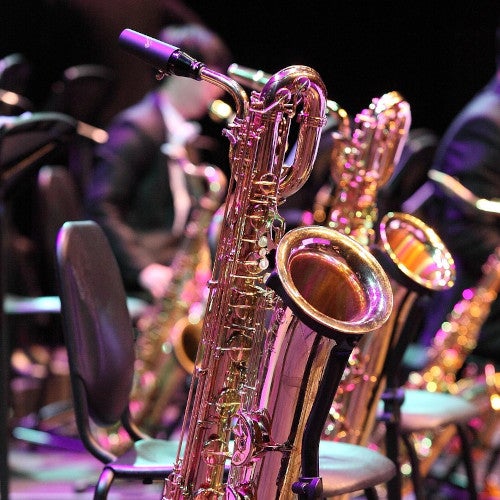
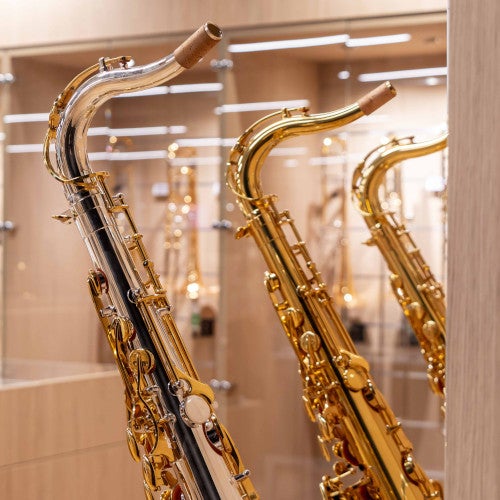
7. What are the Different Types of Saxophones?Saxophones come in various sizes and pitch ranges. The soprano, alto, tenor and baritone models are the most popular.
» Soprano Saxophones
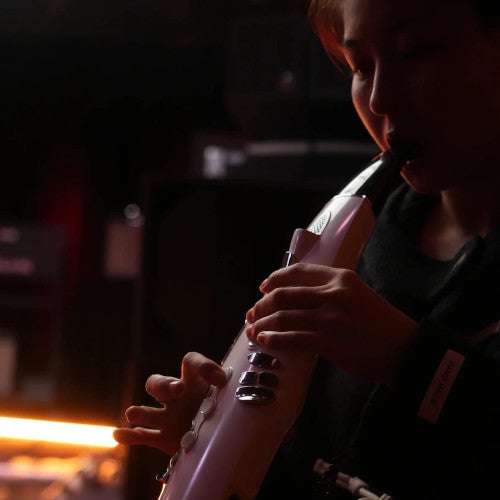
8. Is an Electronic Wind Instrument a Good Alternative to a Real Saxophone?Not if you want to properly learn to play the saxophone. Electronic wind instruments that support saxophone fingering positions are at the most a viable practice tool or a basic introduction to the saxophone. ━ The playing feel and sound are different. EWIs have no air resistance and don’t mix well with the acoustic wind instruments in an orchestra. ╋ EWIs can be played without a reed and allow you to plug in headphones. Some models feature various different sounds and extra functions that can be accessed via an app
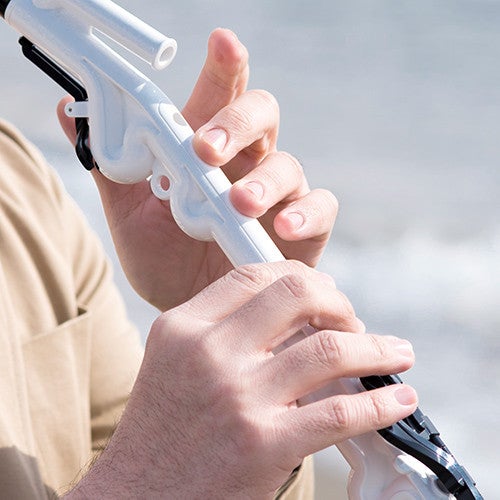
9. Is a Plastic Saxophone a Solid Option for Beginners?Not if you’re serious about learning to play the saxophone. Plastic saxophones can be a great introduction to the instrument but are hardly a proper alternative. On the other hand, they’re brilliantly lightweight and corrosion-resistant, making them great for kids and portable use. The Yamaha Venova is a plastic wind instrument that more or less mashes up a saxophone and a recorder. While it sounds a bit like a saxophone, it’s pretty easy to distinguish from the real thing and the fingering is closer to that of a recorder, giving it a completely different playing feel. In addition, the pitch range is limited to two octaves. While the Venova is a great instrument in its own right, it’s no substitute for a real saxophone.
10. How Much Does a Saxophone Cost?If you’re going to take lessons and want to get off to a good start, you’d be wise to spend at least £1000 on an alto saxophone or £1500 on a tenor saxophone. This way, you’re assured of a sax that’s going to last a long time and offers smooth playability. After all, the better it plays, the more often you’ll pick it up to play. Not yet sure if the saxophone is for you? Then there are still plenty of models to choose from at around half the price. Head to our Saxophone Department to find a model based on your budget.
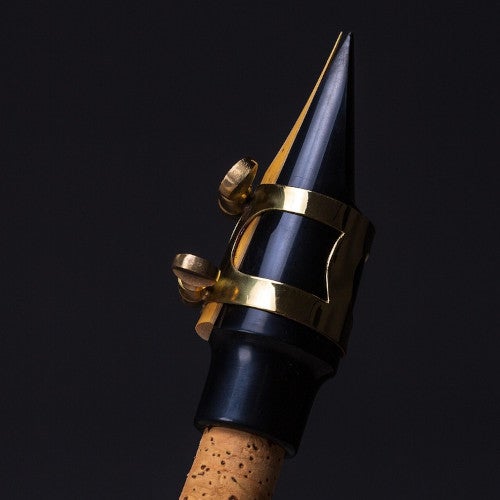
11. What are the Essential Accessories?In addition to the saxophone, you’re going to need:
Other essential accessories include:
» Saxophone Cases and Bags
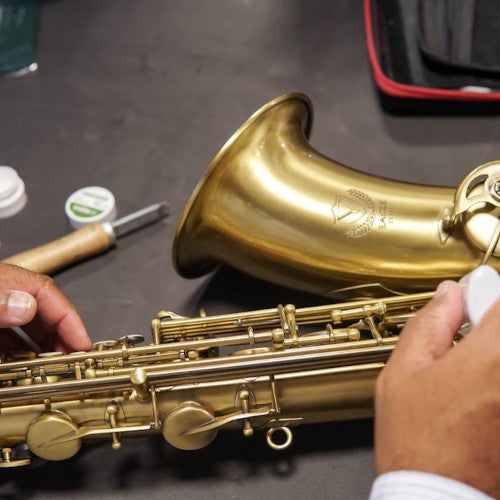
12. How do I Look After My Saxophone?If you want your saxophone to last years or decades and sound as good as it possibly can the entire time, regular maintenance is crucial.
13. Is a Saxophone a Woodwind or Brass Instrument?The saxophone was invented by Adolphe Sax, who set out to build an instrument with the powerful projection of brass and the flexibility of woodwind instruments. While saxophones are made from brass, it’s technically part of the woodwind family because the sound is generated by a reed, just like a clarinet and oboe.
Links and More InfoProduct Ranges» Saxophones
|