
What’s the Best Practice Pad for Me? |
|
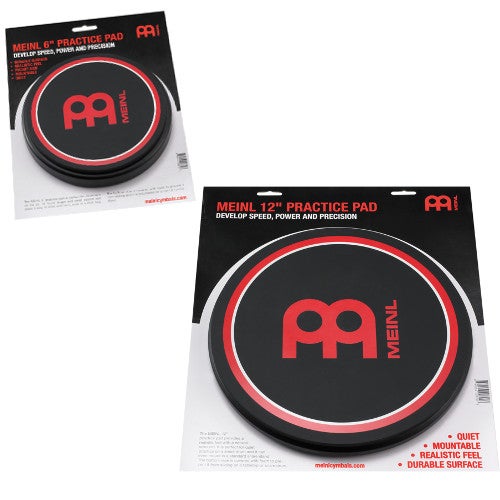
Practice pads are ideal when you want to hone your drumming technique without an actual drum kit and the noise that goes with it. In this Buyer’s Guide, we offer you a handful of tips to help you pick the best practice pad for you. If you can’t find the answer to your question here, feel free to contact us! 1. What’s a Practice Pad?A practice pad is a tool that can help drummers or percussionists practice various basic techniques (also called rudiments). They’re usually round, take up much less space than normal drums and sound nowhere near as loud. As such, they’re also easy to carry. Keep in mind that:
» Practice Pads
2. What’s the Best Material for Practice Pads?The material used for the playing surface of any practice pad largely determines the playing feel. Some pads offer a fast rebound so your sticks are immediately launched back up into the air after you strike the pad. These pads are great when you want to work on your stick control and accuracy, and usually feature a rubber playing surface. For marching drum effects with an extra fast rebound, you’ll want to go for a practice pad with a carbon-fibre playing surface. If you’re looking to improve your speed and stamina, pick a practice pad that offers less rebound, like a model equipped with a silicone or moon-gel surface. The harder the material, the bigger the rebound. Finally, it’s useful to know that some practice pads have two different playing surfaces (zones), and any pads fitted with a real drum head, logically offer the most natural playing feel. » Rubber Practice Pads
3. How Big Should My Practice Pad Be?When it comes to practising rudiments like drum rolls and paradiddles, the size of your practice pad isn’t all that important. Smaller pads are easier to carry, but require more accuracy and coordination when you want to strike the centre. If you want to practise using brushes, it’s best to pick a large practice pad fitted with a standard drum head (so not a mesh-head or rubber surface). » 6 inch Practice Pads
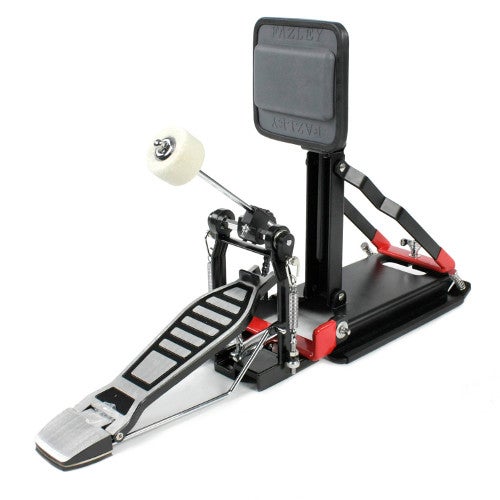
4. Do I Need a Few Different Practice Pads?Not necessarily. If you’re just looking to work on your technique by doing snare-drum exercises, a single practice pad is all you need. However, if you also want to train your kick-drum foot, it’s a good idea to pick up a bass drum practice pad as well. For warming up backstage, you could even put together a complete drum kit using practice pads.
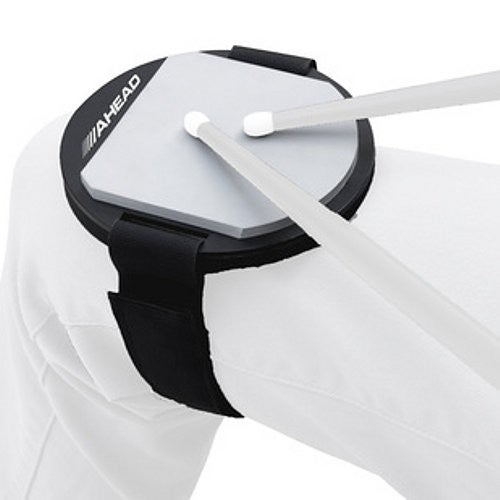
5. Do I Need Any Accessories With My Practice Pad?While you could just set the pad up on a table or hold it in your lap, it’s best to use a stand. Most practice pads are compatible with 3/8" threaded cymbal stands or can be mounted on a snare stand - just make sure that the size of the basket can be adjusted so that it’s small enough to fit the pad. There are even certain (smaller) pads that come including a leg strap. Finally, it’s a really good idea to use a metronome whenever you’re practising your drumming skills. For this reason, some practice pads even feature a built-in metronome. » Cymbal Stands
Links & More InformationProduct Categories» Practice Pads Blogs» 5 Tips To Keep Drum Noise To A Minimum
|